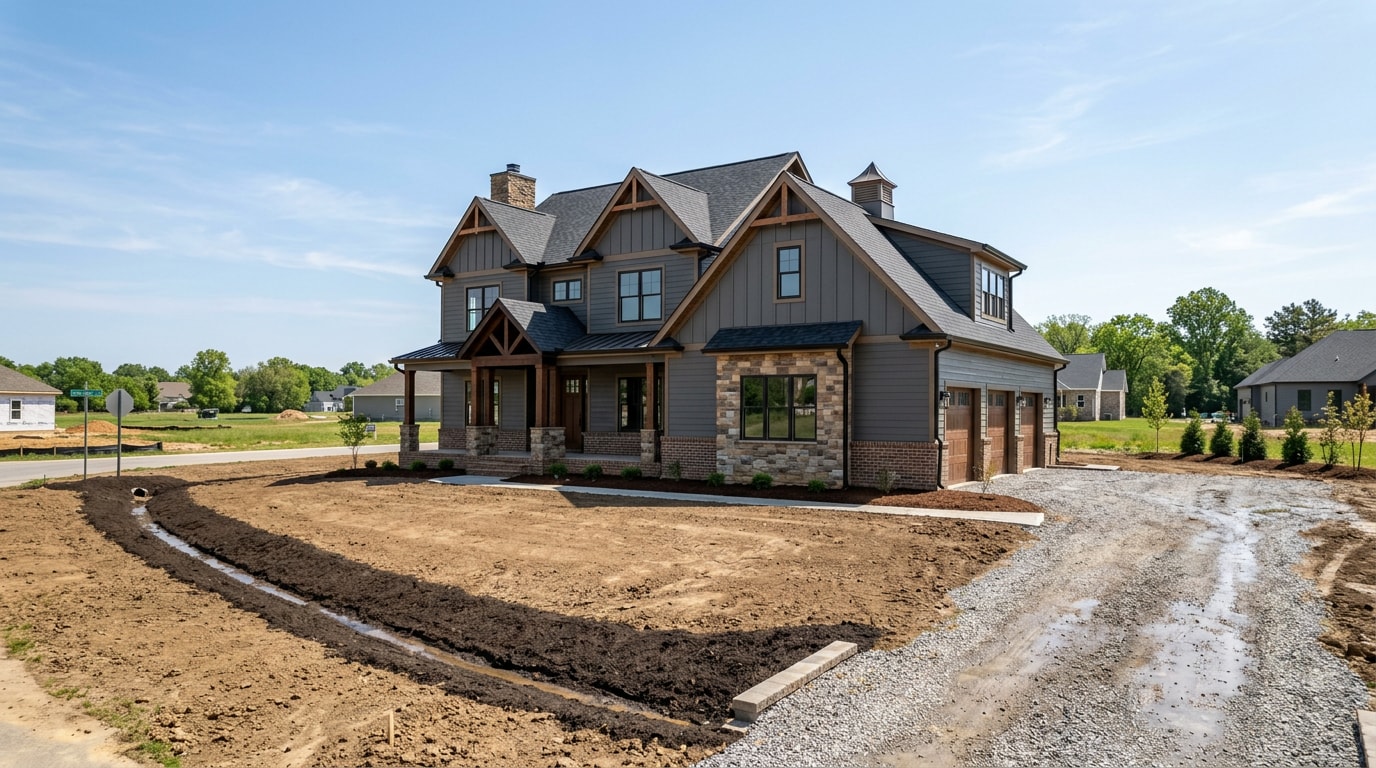
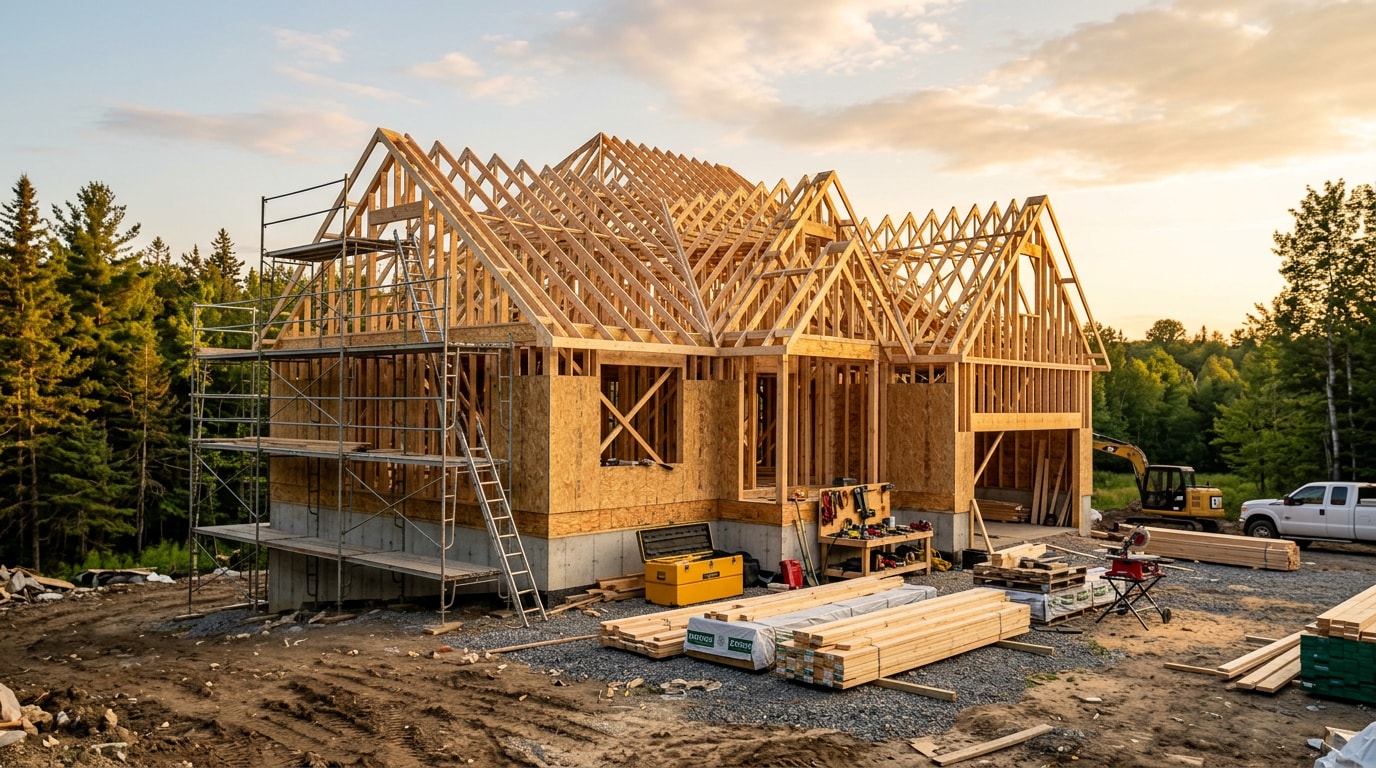
Builder vs contractor confusion costs homeowners real money when they hire the wrong professional for the job. A builder physically constructs a structure from the ground up, while a contractor typically manages a project on a space that already exists. Here's how to tell them apart before you sign anything, not after.
Visit The Trenchless Guys to see our services and request a free estimate.
Builder vs Contractor: The Quick Answer
If you remember nothing else, remember this: a builder builds, a contractor coordinates.
A builder is the hands-on professional (or crew) who performs or directly oversees physical construction, usually on new structures. A contractor, especially a general contractor, acts more like a project manager, hiring and scheduling subcontractors, pulling permits, and making sure the finished work passes inspection.
In practice, the lines blur constantly. Many small companies do both jobs on the same project. But the scope of work is still the cleanest way to separate the two titles, and it's what the rest of this guide is built around.
What Is a Builder?
A builder is a construction professional or company that physically constructs buildings, handling hands-on work like foundations, framing, and structural assembly from the ground up. Builders are most closely associated with new construction rather than remodeling existing spaces.
On a typical project, a builder manages the full construction sequence: pouring the foundation, framing the walls and roof, and carrying the structure through to finished interior work. Many home builders run their own crews or employ in-house trade teams rather than subcontracting every task. This hands-on construction role is what separates a builder from someone who primarily manages a project from the sidelines.
Because builders specialize in ground-up work, they're the default choice for anyone constructing a custom home rather than updating one that already exists. If you want a deeper breakdown of builder types and red flags before you hire one, our guide on how to choose a builder walks through the vetting process step by step.
What Is a Contractor?
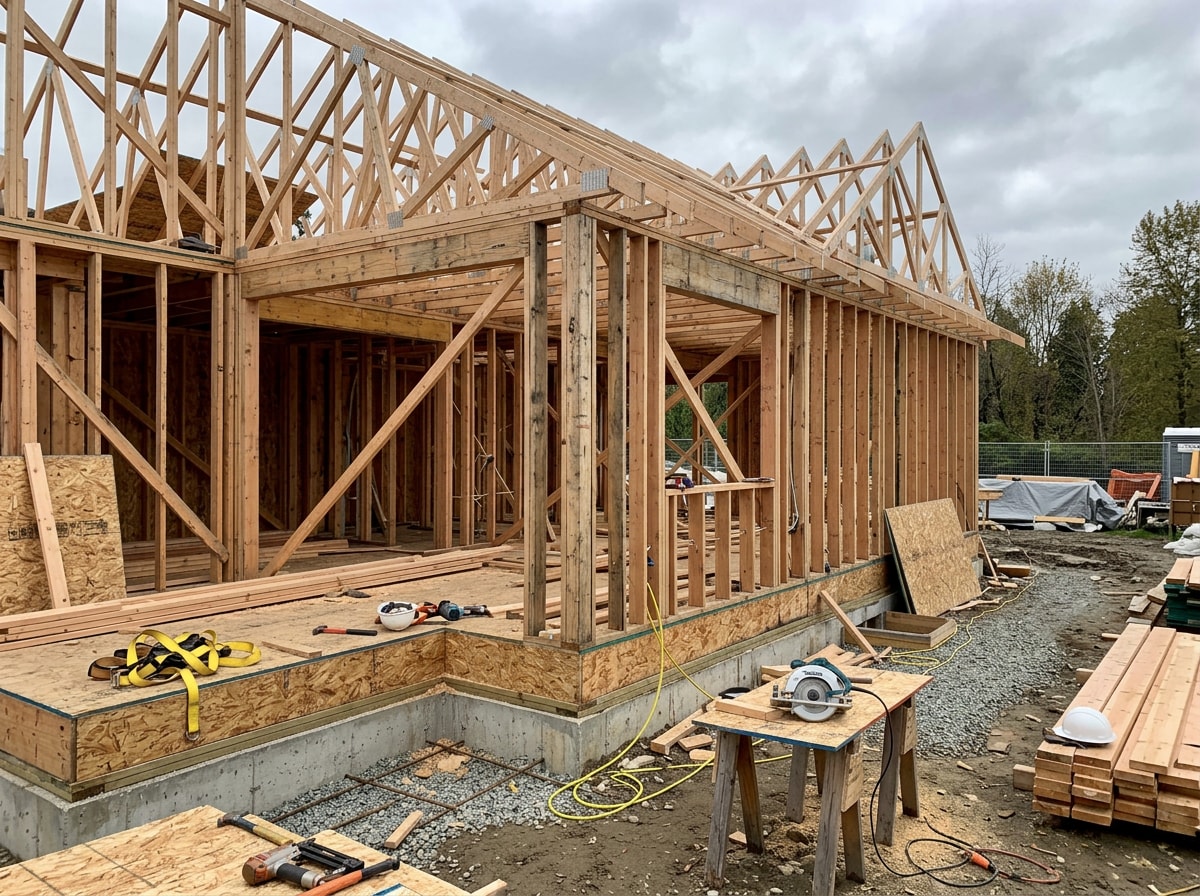
A general contractor is essentially a project manager. Instead of doing the physical labor, a contractor coordinates subcontractors, pulls permits, manages the schedule, and makes sure the finished work meets code and spec.
The "GC" title matters because a general contractor sits between the homeowner and every trade involved, electricians, plumbers, roofers, and framers, keeping the project moving and accountable.
Licensing rules are not uniform, and this is a place where a lot of generic advice falls apart. In Ohio, for example, the state doesn't license general contractors or builders directly. The Ohio Construction Industry Licensing Board issues licenses to qualified contractors in electrical, heating, ventilation, air conditioning, plumbing, hydronics, and refrigeration. General building contractors and builders are typically registered at the city or county level instead, and local building and health departments can choose to require the state commercial license for their residential contractors. That means "is my contractor licensed?" has a different answer depending on which Ohio city you're in, not just which state.
If your project involves updating or expanding an existing structure rather than building new, a contractor is usually the better fit than a ground-up builder. That's also true for site work tied to a remodel, like running a new sewer line or regrading a yard. Our drainage services team coordinates directly with general contractors on that kind of scope so nothing gets missed between trades.
Builder vs Contractor Comparison
| Criteria | Builder | Contractor |
|---|---|---|
| Scope of Work | Ground-up construction, custom homes, major framing | Renovations, remodels, additions, repairs |
| Cost Structure | Larger total project cost, often bundled into one contract | Scoped per-project, priced by trade or phase |
| Timeline | Months to over a year for a full build | Weeks to a few months, depending on scope |
| Licensing | Varies by state and municipality; often local registration | Typically requires state or local contractor licensing |
| Client Relationship | Single point of contact for the entire build | Manages subcontractors on the homeowner's behalf |
This comparison isn't absolute. Plenty of builders also act as general contractors on their own projects. But it reflects how the roles usually break down in practice, and it's a useful filter when you're reading bids that all call themselves something slightly different.
Where Builder and Contractor Roles Overlap
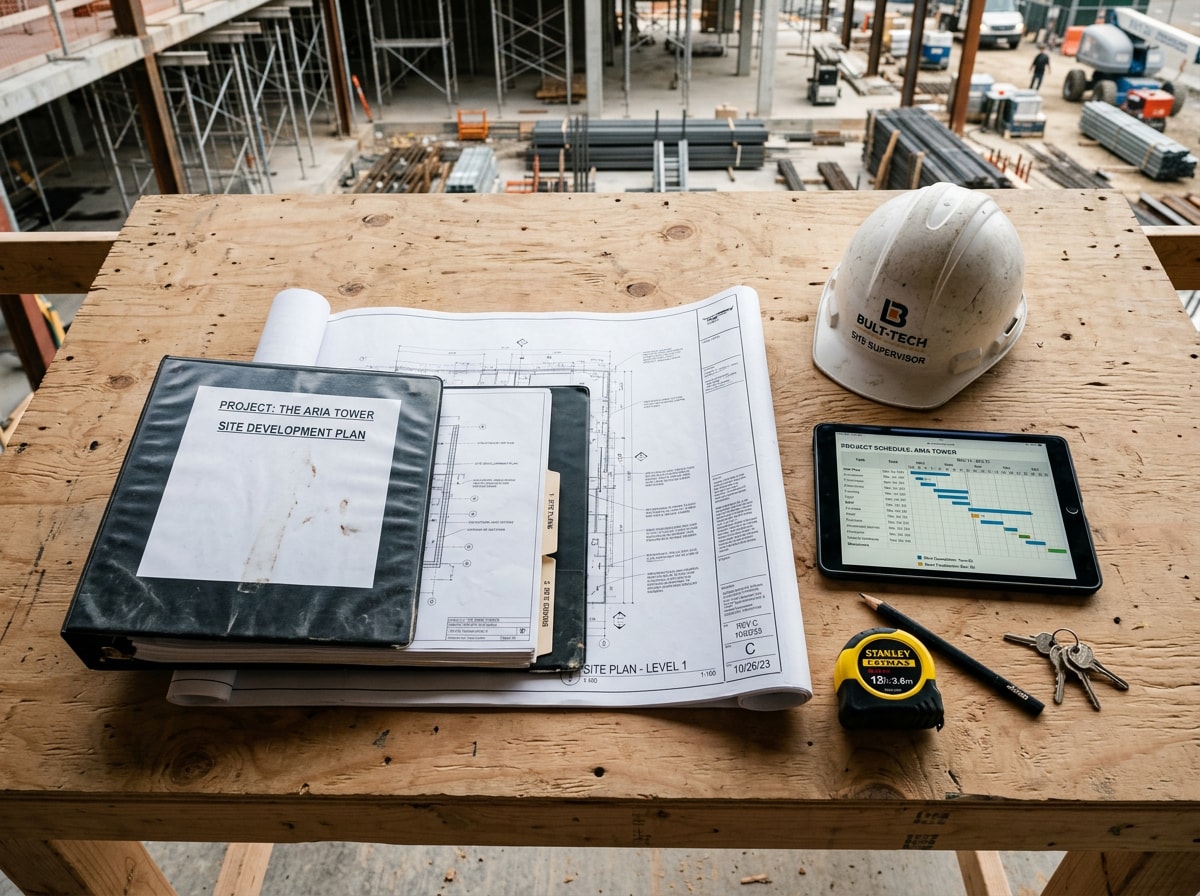
In real-world projects, these roles blend more often than the definitions suggest. Smaller companies and sole proprietors frequently act as both builder and contractor on the same job, framing the structure themselves while also pulling permits and managing subcontractors.
This overlap is exactly why the terms get used interchangeably in casual conversation, even though they describe distinct functions on paper.
A few patterns worth knowing before you start calling around:
- On a large custom build, you'll often see a dedicated builder and a separate GC working side by side.
- On a smaller project, one person or company may wear both hats.
- On projects involving excavation, trenching, or utility work, builders and contractors both typically bring in a specialty crew rather than doing it themselves.
Ask directly how a company structures its team before you assume either way. If your project touches sitework like grading, trench digging, or excavation services, confirm who's actually scheduling that crew, the builder, the GC, or a sub they've hired.
When to Hire a Builder vs a Contractor
The right choice usually comes down to one question: are you starting from empty land, or working with a structure that already exists?
When to Hire a Builder
If you've purchased land and want a completely new home built from the ground up, a builder is your best choice. This is the classic "empty land to finished house" scenario, and it's where a builder's hands-on expertise matters most.
Timelines vary significantly by how the home is built, not just by region. Using Census Bureau data on single-family construction, homes built for sale required the shortest amount of time at 7.6 months from permit to completion, while homes built by owners required the longest time at 15.1 months. Homes built by hired contractors took about 12 months, and homes built-for-rent took about 12.5 months . That spread matters: a production-style spec home and a fully custom build from the same builder can land months apart on the calendar, even before weather or permitting delays.
For example, a family building a custom farmhouse on five acres of raw land would hire a builder to handle site prep, foundation, framing, and finishing as one continuous process, rather than piecing the job out trade by trade.
When to Hire a Contractor
When the work involves updating, expanding, or repairing something that already stands, a contractor is the right call. This includes kitchen and bathroom remodels, additions, and single-trade jobs like electrical upgrades, plumbing replacement, roofing, or new flooring.
A kitchen-and-bath remodel is a good example: a general contractor coordinates the electrician, plumber, and cabinet installer so the project stays on schedule without the homeowner managing each trade individually. For narrower jobs, say, just replacing a roof, hiring a specialty contractor directly can also save money compared to going through a full GC.
If your "remodel" is actually a hidden infrastructure problem (a slow drain, a failing sewer line, or a yard that won't stop flooding), it's worth getting that diagnosed before you hire anyone for finish work. Our sewer line inspection service catches exactly this kind of issue before it turns into a change order mid-project.
Red Flags to Watch For
Whichever professional you choose, the warning signs are similar. Be cautious of builders who can't show verifiable past projects, offer vague or unsigned contracts, or pressure you for a large upfront payment before any work begins.
Unreliable contractors show similar patterns. The Federal Trade Commission's consumer guidance recommends that homeowners consider only contractors who are licensed and insured, checking with their state or county government to confirm a contractor's license and asking for proof of insurance . The FTC also suggests homeowners check with the local Home Builders Association and consumer protection officials to see if they have complaints against a contractor, and search online with words like "scam," "review," or "complaint."
A few more patterns to watch for on either side of the builder/contractor line:
- No written contract, or a contract missing the company's license number and address
- Reluctance to provide references from recent, local jobs
- Pressure to sign or pay "today" to lock in a price
- Materials that happen to be "left over" from another job
If you'd rather skip the guesswork, request a free estimate from a team that's upfront about licensing, insurance, and project history before you commit to anything. You can also browse our recent projects to see completed work in your area, whether that's Wooster, Akron, or one of our other Ohio service areas.
FAQ
What is the main difference between a builder and a contractor?
The main difference is scope of work. A builder performs or directly manages hands-on construction, usually on new structures. A contractor, particularly a general contractor, acts as a project manager who coordinates subcontractors, permits, and schedule on a job that often already has an existing structure.
Is a builder the same as a general contractor?
No. A builder performs the hands-on labor to create the physical structure. A general contractor manages subcontractors, permits, and the overall timeline. On small jobs, one company may handle both roles at once.
Is a builder more expensive than a contractor, or is a contractor cheaper?
Cost depends on project scope, not job title. A full custom build from a builder typically costs more in total than a defined renovation from a contractor simply because it covers far more work, land development through finishes. Pricing varies by region, home size, and project complexity, so get itemized bids before assuming either option is cheaper.
Who handles permits in builder vs contractor situations?
A builder typically handles permitting as part of a full-service construction package, since they're managing the project end to end. With a contractor, permitting responsibility depends on your written agreement; some GCs pull all permits, while on smaller jobs you may need to confirm who's responsible before work starts.
Can a contractor build a house?
Yes. Many general contractors build custom homes, especially in markets where "builder" and "general contractor" are used interchangeably. The deciding factor isn't the title on their business card, it's whether they can show you completed ground-up builds, not just renovations.
Do I need a builder or a general contractor for a remodel?
A general contractor is almost always the better fit for a remodel. Remodels require coordinating work inside an existing structure, often with multiple trades (plumbing, electrical, framing) touching the same space, which is exactly the coordination role a GC is built for.