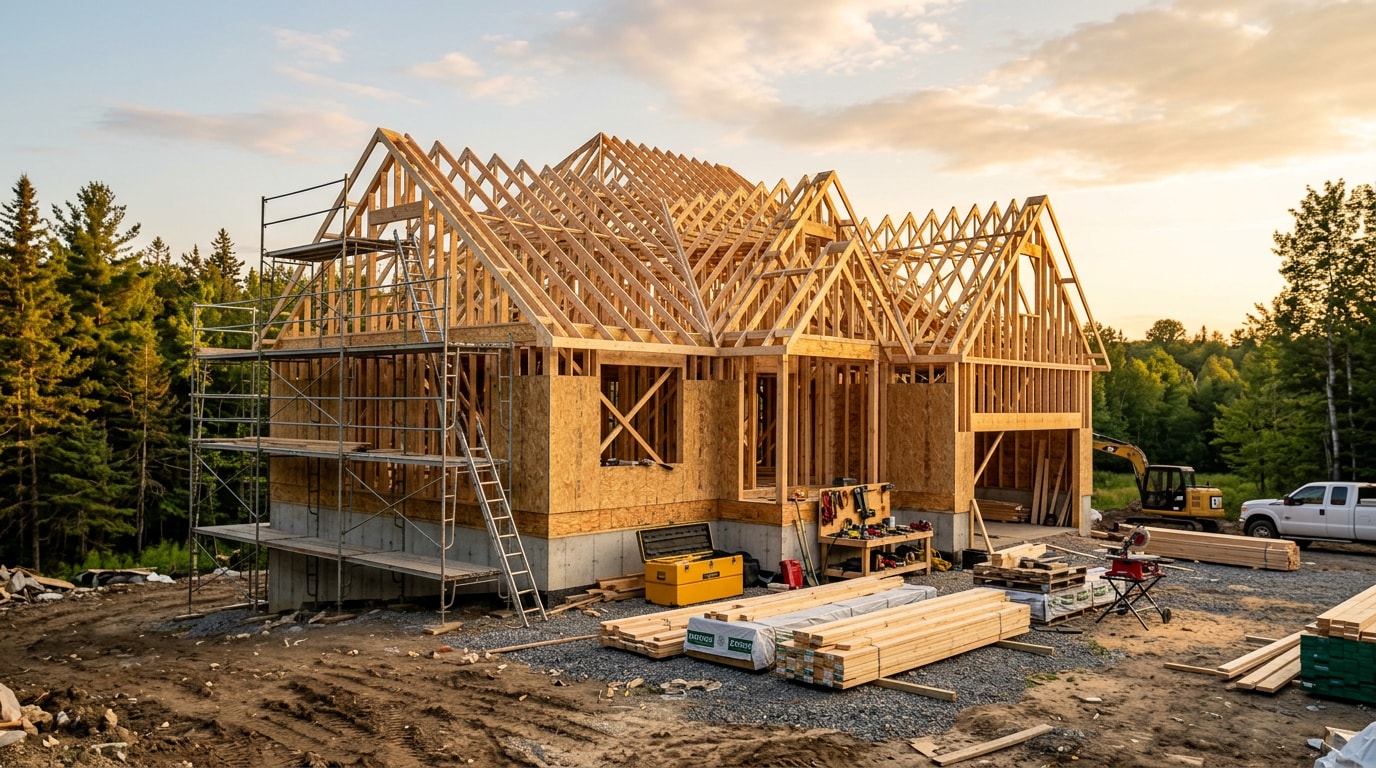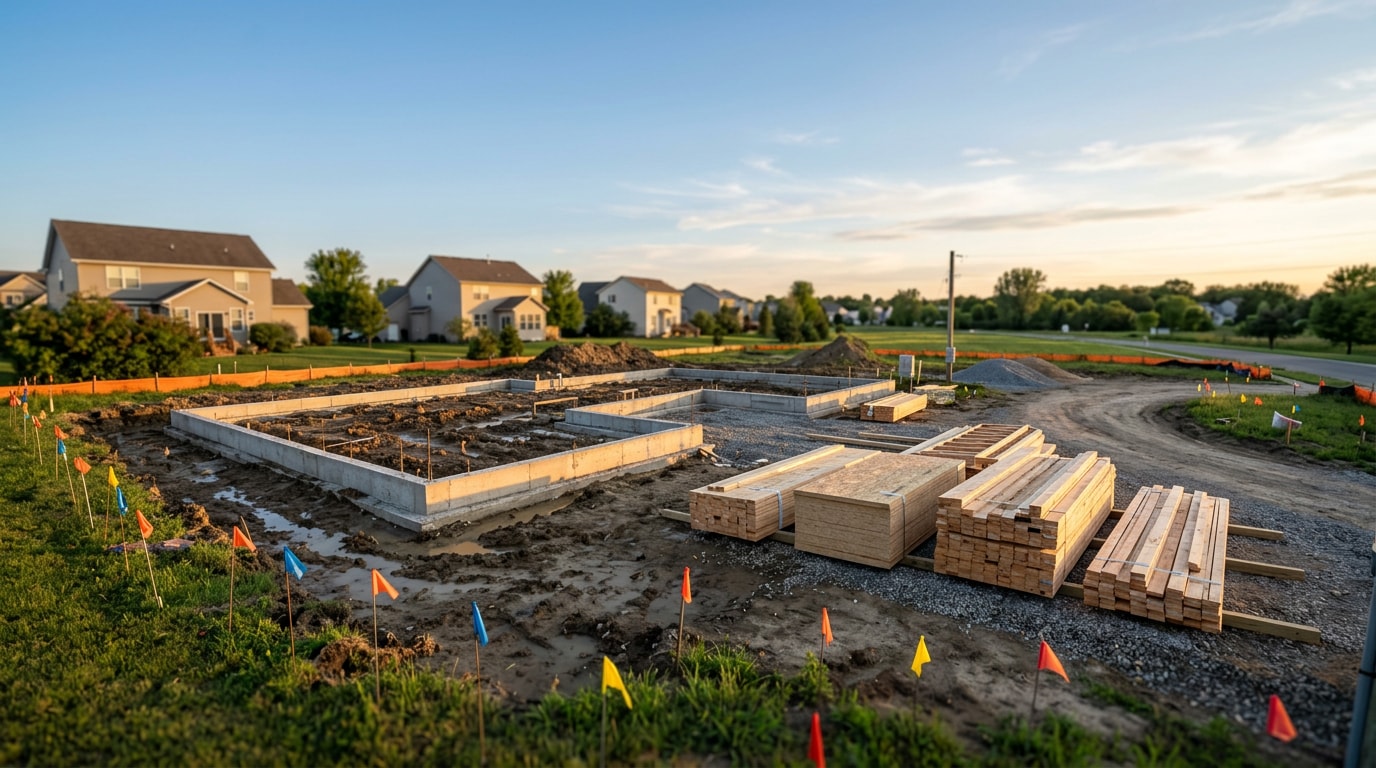
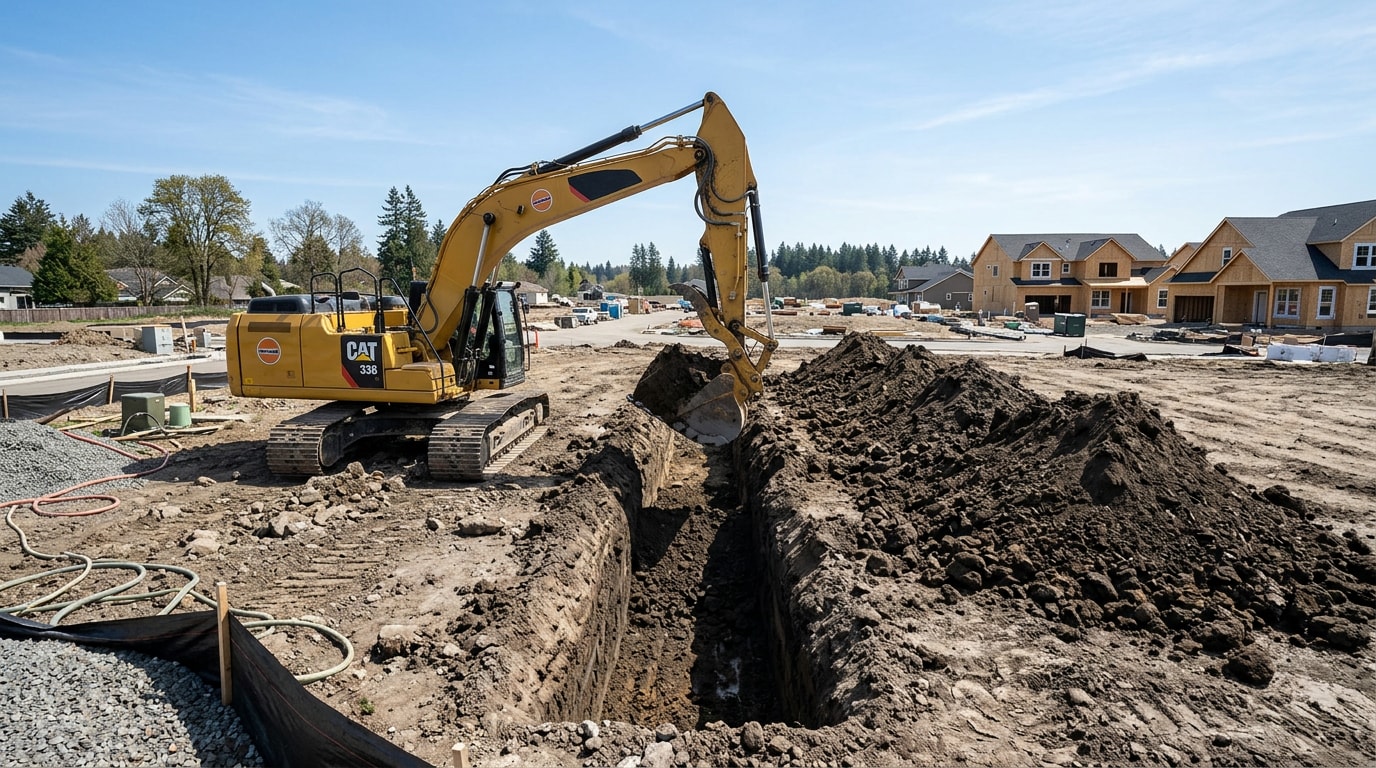
Hiring the wrong excavator contractor can turn a simple site prep job into months of delays, budget overruns, and property damage. This guide walks through exactly how to research, vet, and compare candidates so you sign a contract with confidence instead of guesswork.
What Does an Excavation Contractor Do?
An excavation contractor prepares land for construction by moving earth, grading surfaces, and installing underground infrastructure before a foundation or structure goes in. The work spans far more than digging holes. It sets the physical groundwork every other trade depends on.
Excavator contractor services typically include:
- Site preparation and land clearing
- Foundation excavation
- Septic system installation
- Drainage work and utility trenching
- Driveway preparation and pond excavation
- Grading, leveling, and erosion control
- Demolition prep and retaining wall excavation
- Trench digging for pipe and conduit runs, and yard backfilling once work is complete
Not every excavator contractor performs every type of work. Some specialize in residential grading; others focus almost entirely on commercial pad sites or septic systems. Confirm a contractor's specialty matches your project before the conversation goes much further.

Browsing a contractor's excavation services page is usually the fastest way to see which of these categories they actually handle. If your project needs more than digging, for example site preparation or yard backfilling once the work wraps up, check whether one crew covers the whole job so you're not juggling multiple subcontractors.
How to Hire an Excavator Contractor
The short version: choose a licensed and insured professional with proven experience in the specific work you need, then request references, verify insurance, ask detailed scope questions, and get a written estimate before signing anything.
That one rule drives everything else in this guide. Weigh five factors before committing:
- Safety record and documented procedures
- Insurance coverage (not just a certificate, but the right policy types)
- Equipment precision and fleet fit for your site
- Pricing transparency on the written bid
- Regional experience with your soil, slope, and local permitting rules
The sections below expand each into a practical checklist.
Research and Shortlist Local Contractors
Start by researching local excavating contractors near your project location.
- Check licensing status with your city or county building department
- Read customer reviews on independent platforms
- Browse local business directories
- Ask neighbors or your general contractor for recommendations
- Review a contractor's past projects to see completed work similar in scale to yours
Build a shortlist of three to five contractors before requesting quotes. That gives you enough options to compare pricing and approach without dragging the process out for weeks. Researching upfront also surfaces red flags early, like contractors who dodge licensing questions or can't name past projects similar to yours.
A contractor who genuinely serves your area, rather than one who just lists it for search visibility, should be able to name nearby streets, subdivisions, or landmarks without hesitation. If you're in Northeast or East Central Ohio, confirming a crew actually works around Wooster or Akron (rather than just claiming it in a service area list) takes one phone call.
Evaluate Experience and Specialization
How long a contractor has been doing this specific kind of work matters more than the size of their equipment fleet. A crew that's handled dozens of similar projects knows how to anticipate problems a newer outfit might miss entirely.
Not all excavation jobs are the same. A contractor who excels at basement digs isn't automatically qualified to handle septic installation or large-scale commercial grading, even within the same company.
When vetting a contractor, ask directly:
- How long have you been in business?
- Have you completed projects similar to mine, in similar soil and access conditions?
- Have you worked in this area before?
- Are there any site challenges you expect based on the soil, slope, or access?
- Can you share examples where your specialty matches my project type?
Clear, specific answers are a good sign. Vague ones are not. A contractor with twenty years in business but zero septic experience still isn't the right fit if that's exactly what your property needs.
Licensing, Insurance, and Risk Mitigation
Never hire an excavation contractor who can't produce proof of proper licensing and complete insurance coverage. This is the single most non-negotiable checkpoint in the hiring process, and it protects you financially if something goes wrong on-site.
A reputable, licensed and insured excavation contractor should readily provide a certificate of insurance (COI), a document summarizing active coverage types and policy periods. Licensing rules vary more than most homeowners expect. In Ohio, for example, there's no single statewide excavation or general contractor license; the state issues licenses only for electrical, HVAC, hydronics, plumbing, and refrigeration trades. General excavation and grading contractors are typically registered at the city or county level instead, so it's worth checking with your local building department or the state's licensing board for details specific to your project.
Not all coverage types protect you the same way. Here's what each one actually covers:
| Coverage Type | What It Protects Against |
|---|---|
| General Liability | Property damage or injury to third parties during the project |
| Workers' Compensation | Medical costs and lost wages if a crew member is injured on your site |
| Equipment / Inland Marine | Damage or theft of the contractor's machinery while on your property |
Ask to see documentation for all three, not just one. A contractor carrying general liability but skipping workers' comp can leave you exposed to a lawsuit if a worker is hurt on your property.
Safety Protocols and Underground Utility Mapping
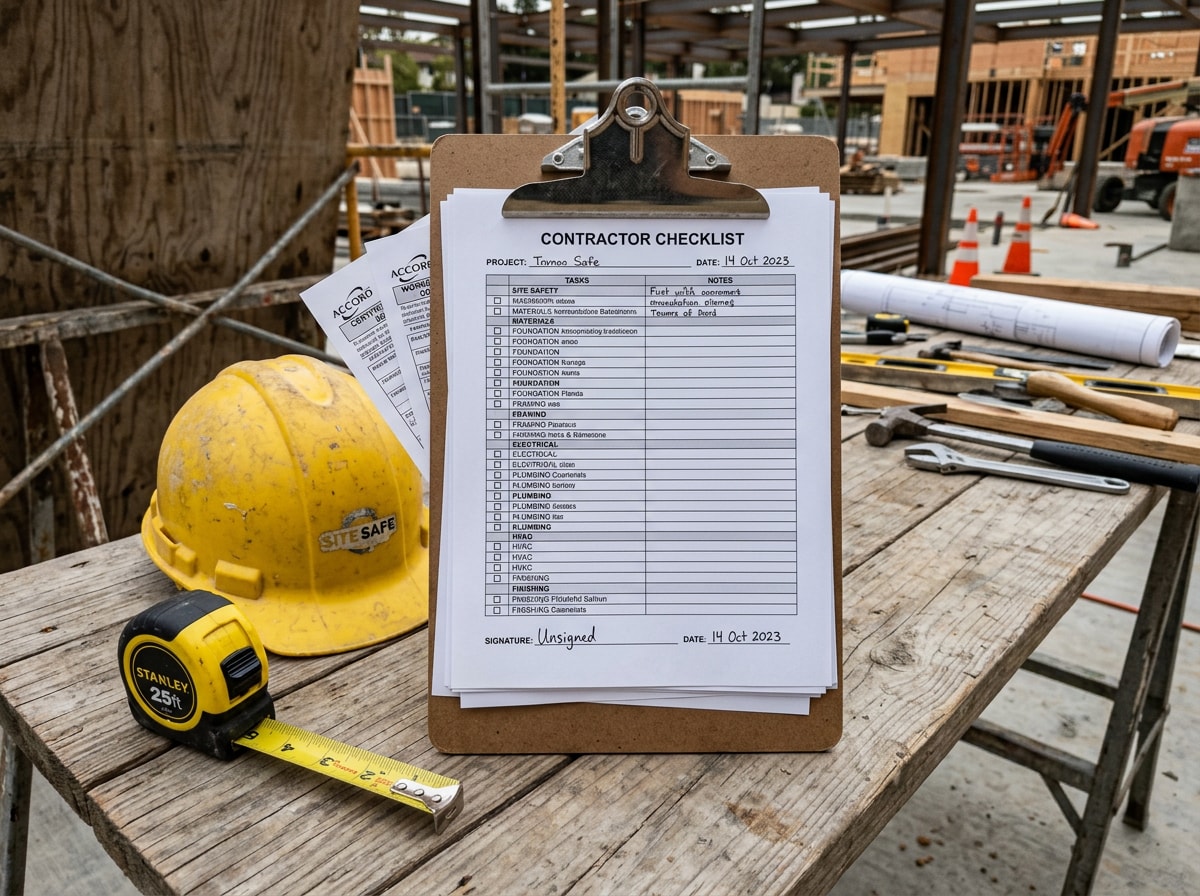
Excavation ranks among the more hazardous trades, largely because of trench collapses and accidental utility strikes. Trench collapses, or cave-ins, pose the greatest risk to workers' lives. A qualified contractor should walk you through their safety plan before equipment ever touches the ground.
Federal standards back this up with hard numbers most homeowner guides skip. OSHA requires that all excavations 5 feet deep or greater make use of one of the following protective system options: sloping the ground, benching the ground, shoring the trench with supports, or shielding the trench using a trench box. If a contractor can't explain which of these they'll use on a deep trench, that's a gap worth pressing on.
Utility locating matters just as much. Contractors should call 811 (or the regional equivalent) days before digging to have gas, electric, and water lines marked, and the payoff is significant: research has revealed that if someone calls 8-1-1 before they dig, they have a 99 percent chance of avoiding an incident, injury, harm to the environment and even death. If a project crosses an existing water service, ask whether the crew handles water line locating directly or coordinates it separately, since that affects both timeline and cost.
A contractor who can't clearly explain their pre-dig safety routine, or who brushes off questions about utility marking, is a warning sign worth taking seriously. For the full federal standard, see the OSHA trenching and excavation overview.
Transparent Pricing Models and Detailed Estimates
A legitimate itemized bid should spell out:
- Site clearing and tree or brush removal fees
- Soil excavation rates by cubic yardage
- Rock excavation contingencies in case bedrock is encountered
- Backfilling and compaction specs
- Grading costs
- Debris haul-away fees
Vague, lump-sum quotes make it hard to know what you're actually paying for.
Once your shortlist is narrowed down, request detailed written estimates from each contractor. Compare them side by side, but don't default to the lowest number. Weigh experience, reputation, and what's actually included in the price. Excavation pricing varies significantly based on regional cost data, soil conditions, and site accessibility. The National Utility Contractors Association, which represents excavation and underground utility contractors nationwide, is a useful reference point if you want to understand how the broader industry defines scope and standards before comparing bids.
If you're ready to compare real numbers for your property, get a free estimate based on a short site visit or photos.
Check References and Reviews
Before signing anything, ask every finalist for references from recent customers. Good questions include whether the contractor stayed within budget and whether they'd hire the crew again for future work.
Strong excavation contractor reviews tend to cover four themes worth reading closely:
- Communication: did the crew provide regular updates and respond quickly
- Quality of work: did the excavation meet expectations and site specs
- Professionalism: did the crew respect the property and clean up afterward
- Problem-solving: how they handled unexpected issues like rock or utility conflicts
A pattern of complaints in any one of these areas, especially problem-solving, tells you more than a single five-star review ever will.
Questions to Ask Before Signing a Contract
Before work begins, discuss your full project scope with the contractor and confirm they understand what you need. Then sign a written contract that clearly spells out timelines, costs, services included, and each party's responsibilities.
One common dispute trigger: excavation bids aren't always apples-to-apples. One contractor's quote might include debris removal while another's doesn't, so compare scope of work line by line, not just the bottom-line number.
A contractor might check every other box and still be the wrong choice if they can't realistically commit the time and crew your project needs. Overbooked contractors often lead to delayed start dates or rushed work squeezed between other jobs. Ask directly about their current project timeline and when they could realistically start and finish your job, and get the agreed start and completion dates written into the contract, not just discussed verbally.
It's also worth knowing where "excavation contractor" fits among the other titles you'll run into during a build. If you're unclear on how an excavator relates to the general contractor or builder running the overall project, this breakdown of builder versus contractor roles clears up the overlap.
Ready to move forward? Request a free estimate and a crew will walk the site with you before any number gets written down. You can also browse the full range of services on the homepage to see whether excavation, drainage, or water line work fits your project best.
FAQ
How do I choose the best excavation contractor?
Choose an excavator contractor who is licensed and insured, has verifiable experience with projects similar to yours, provides clear references, and offers a detailed written estimate. Compare at least three shortlisted candidates before deciding, and prioritize communication and transparency over the lowest bid.
What questions should I ask an excavation contractor before hiring?
Ask directly: Are you licensed, bonded, and insured in this locality? How long have you been in business? Have you completed similar projects nearby? Can you provide references and a written, itemized estimate? Clear, specific answers signal a contractor worth hiring.
Should an excavation contractor provide proof of insurance?
Yes. A reputable contractor should readily provide a certificate of insurance showing active general liability and workers' compensation coverage. If a contractor hesitates or can't produce this document, treat it as a serious red flag before moving forward.
What factors influence the total cost of excavation?
Four major factors drive excavation cost: soil and rock conditions (harder material costs more to remove), excavation depth, site accessibility for equipment, and debris removal or disposal needs. Projects with difficult access or unexpected bedrock typically run higher than initial estimates.
How do excavation contractors ensure safety during the project?
Reputable contractors follow OSHA excavation standards, build detailed site-specific safety plans, locate underground utilities before digging, and use proper trench shoring, sloping, or shielding to prevent collapses on deeper excavations.
Does my state require a license for excavation contractors?
It depends on the state. Some states issue a dedicated excavation or earthmoving license; others, like Ohio, license only specific specialty trades at the state level and leave general excavation licensing to individual cities and counties. Always confirm requirements with your local building department before work starts.
What's the difference between an excavation contractor and a general contractor?
An excavation contractor handles site-specific earthwork like digging, grading, and trenching. A general contractor oversees the entire build and typically hires the excavation contractor as a subcontractor. On smaller jobs, property owners sometimes hire the excavator directly instead of going through a GC.
How long does a typical excavation project take?
Most residential excavation jobs, like foundation digs or driveway prep, take one to five days depending on soil conditions, site access, and scope. Larger commercial grading or septic installations can run one to three weeks. Weather and permit timelines can add days on either end.