Builders for hire are easy to find and hard to vet, and that gap is exactly where renovation budgets blow up. The right builder keeps a project on schedule and on budget. The wrong one turns a simple remodel into a six-month headache. Here's how to tell the difference before you sign anything.
What Does a Builder Do?
A builder is a licensed general contractor who manages an entire construction or renovation project. That means coordinating subcontractors, scheduling work, sourcing materials, and overseeing quality and safety from the first permit to the final walkthrough.

That's the short version, but the term gets used loosely. Many homeowners search "builders for hire" when they actually need a single specialty trade, like a plumber or electrician, handled directly. A general contractor earns their fee by managing everyone else and taking responsibility for the whole job. If your project is really one trade, not a sequence of them, you don't need a builder at all. For a deeper breakdown of where the line falls, see our guide on builder vs contractor differences.
When Should You Call a Builder?
Deciding when to hire a builder usually comes down to scope. A single bathroom fixture swap doesn't need one. A kitchen remodel involving plumbing, electrical, and cabinetry does. Any multi-trade project, where two or more trades need to work in sequence, benefits from a builder's coordination.
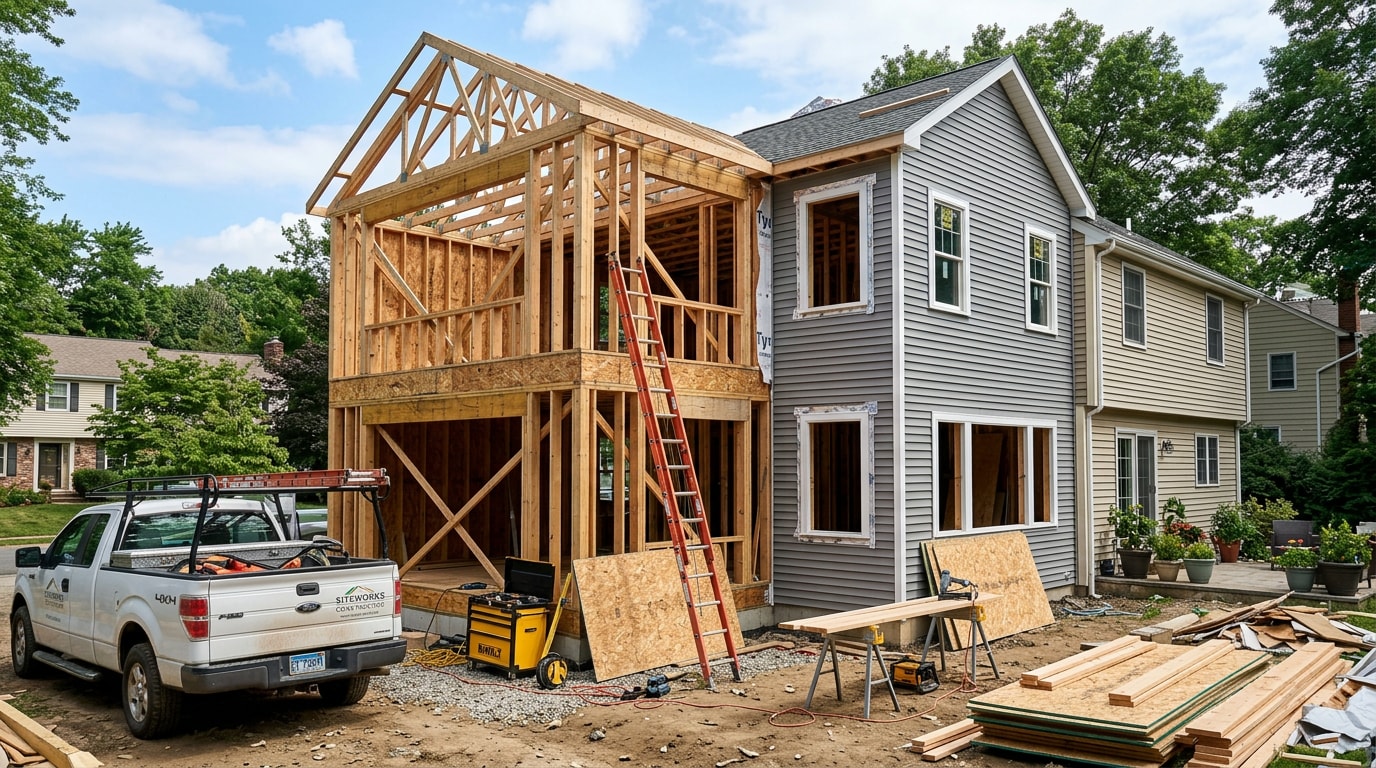
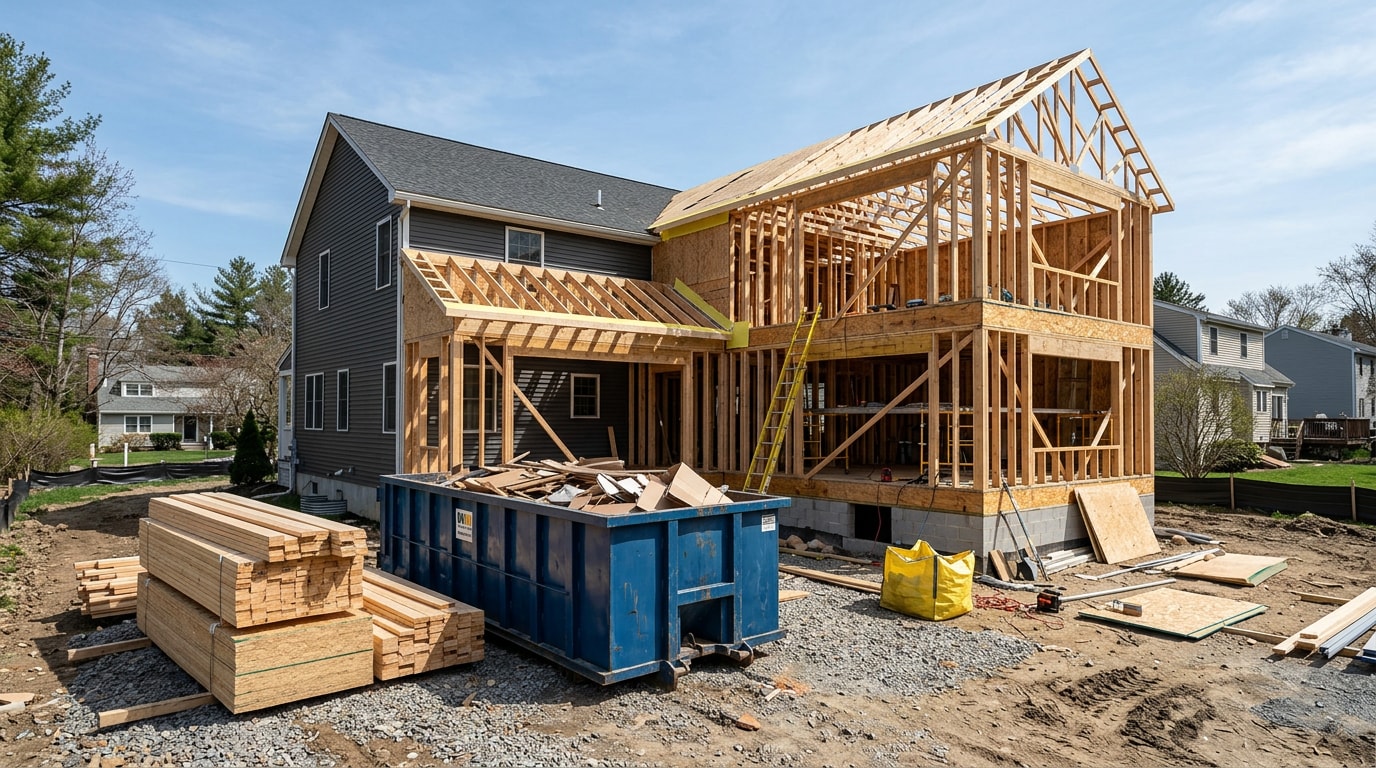
Structural renovation work raises the stakes further. Moving load-bearing walls, adding a second story, or altering a foundation involves permits, inspections, and liability. A general contractor is equipped to manage all three. This is one of the more consequential decisions a homeowner makes, so treat the search seriously rather than hiring the first name that comes up. Browse our contractor services to see the kinds of projects that typically call for a builder.
The Question Most Hiring Guides Skip: Underground Utilities
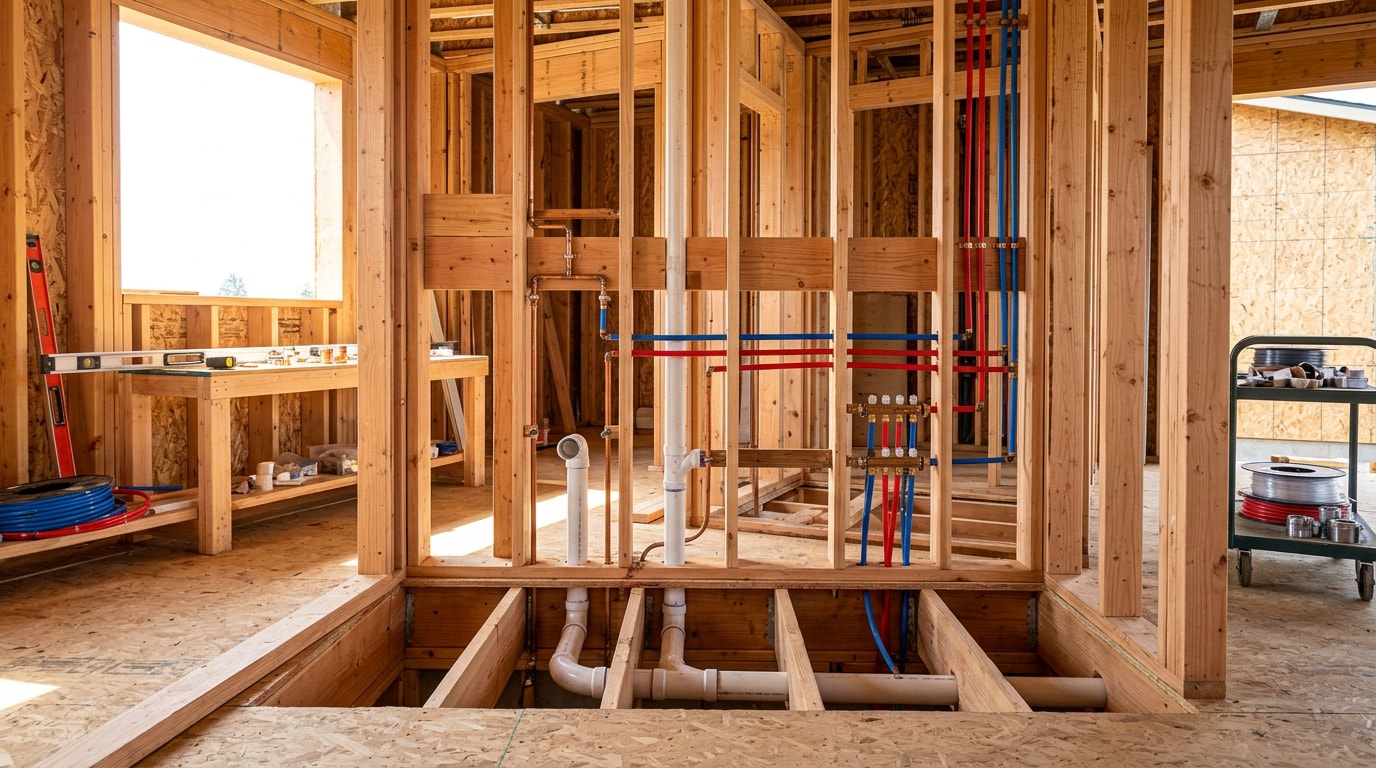
Here's something most "how to hire a builder" articles never mention: additions, accessory dwelling units, and large remodels often need new water or sewer line connections, trenching, or excavation before a single wall gets framed. That work has to happen before the builder's crew can even start footings.
A capable builder should tell you upfront whether they handle that scope in-house or sub it out to a licensed excavation and utility specialist. They should also be able to say how existing lines get located before anyone digs, rather than guessing. If your project touches the yard at all, ask who coordinates permits with the water or sewer utility and how that line item shows up in the quote. Gaps here are a common source of mid-project change orders, since this kind of coordination gets missed when a builder's estimate only accounts for what happens above ground.
Gathering Recommendations: Where to Find a Builder
Finding a good builder starts with trusted channels, not a random search. Get contractor recommendations from people you know and trust , since personal referrals let you ask direct follow-up questions a review can't answer.

Beyond word of mouth, professional and trade association directories, local building suppliers, and online research all help you find a builder with a track record in your area. When searching "builders for hire near me," don't stop at the first page of results. Cross-check any recommendations against reviews and licensing records. Whenever possible, ask a builder's past clients two specific questions: did the project stay on budget, and would they hire this builder again? If you're in our Northeast Ohio service area, confirm coverage near you on pages like Wooster, OH or Massillon, OH.
Quick Checks Before Hiring a Builder
Before you get deep into interviews, run a few baseline checks. Consider only contractors who are licensed and insured, and check with your state or county government to confirm a contractor's license while asking for proof of insurance. Confirm they carry workers' compensation coverage and can supply contactable references from recent, comparable jobs.
A quick phone call can tell you a lot before you commit to an in-person meeting. Ask how long they've operated under the current business name, whether they'll put quotes in writing, and how they handle project communication. Most states maintain their own licensing board, and a searchable national directory covers thresholds, agencies, reciprocity, and requirements across all 50 states, DC, and territories , which is a fast way to confirm a license is current before you go further. Skipping this step is one of the most common ways homeowners end up with regrets later.
Skills, Qualifications & Experience to Look For in a Builder
A genuinely qualified builder brings more than a license number. Look for relevant project experience with jobs similar in scope and age to yours, clear and responsive communication, working knowledge of local building codes, and a dependable network of subcontractors they've used before. Organization matters too. A builder juggling too many jobs at once is more likely to miss deadlines.
Qualifications and Industry Memberships
Membership in a national or regional home-builders' trade association signals more than just paying dues. Members abide by and annually sign the Standards of Conduct or successor documents relating to professional ethics, and gain access to educational programs and tools, networking opportunities, and expert advisers that help them stay current on codes and materials.
That combination gives homeowners a layer of accountability that an unaffiliated builder doesn't offer. It's not a guarantee of quality, but it does mean someone with standing to lose if they cut corners. Checking a builder's standing with a group like the National Association of Home Builders can be a useful cross-reference before you treat membership as a selling point on its own. (See NAHB membership for what active membership actually requires.)
Questions to Ask Before Hiring a Builder
A short interview, in person or by phone, reveals more than a glossy portfolio ever will. Come prepared with specific questions rather than general ones, and pay attention to how directly each one gets answered.
Useful questions to ask a builder include:
- Will you use subcontractors, and if so, for which parts of the job?
- What exactly is included in your quote, labor, materials, permits, cleanup?
- What's the realistic timeline, including likely delays?
- How do you handle unexpected issues, like hidden damage behind a wall or an unmarked utility line?
- What are your payment terms, and when are they due?
- Is there a warranty or guarantee on completed work?
A builder who answers clearly and specifically, rather than vaguely or defensively, is already showing you how they'll communicate once the job starts. Evasiveness at this stage rarely improves later. Ready to compare answers side by side? Schedule a free inspection and ask us the same questions directly.
Understanding Quotes & Building Costs
A complete builder quote should itemize labor, materials, waste disposal, permits, and the contractor's overhead and profit margin, not just a single lump sum. Comparing quotes fairly means lining up each builder's breakdown side by side, not just comparing bottom-line totals. One low number can hide missing scope that gets added back as a change order later.
Factors That Affect Your Project's Cost
Several variables drive renovation cost beyond square footage. Project size and complexity matter, obviously, but so does your chosen finish level. Mid-range fixtures and custom cabinetry sit at very different price points.
The age and condition of your home plays a bigger role than most homeowners expect. Older properties often hide outdated wiring, aging plumbing, or structural issues that only surface once walls come down. A thorough quote breakdown should flag this possibility as an allowance instead of ignoring it. Treat any quote that seems unusually low with some caution. It may simply be missing line items you'll pay for later.
Securing the Right Contract: What to Look For
Never proceed on a verbal agreement, no matter how trustworthy a builder seems in person. A written contract protects both sides and should be non-negotiable before work begins.

At minimum, the contract needs:
- A complete scope of work describing exactly what's being built or renovated
- A clear pricing method, fixed price or itemized, not vague estimates
- A milestone-based payment schedule tied to completed stages rather than calendar dates
- A timeline with realistic key dates
If a builder resists putting any of this in writing, treat it as a signal to walk away rather than a minor inconvenience to overlook.
Common Mistakes When Hiring Builders
The most expensive mistake is choosing a builder on price alone. The lowest bid often means the thinnest scope, and the gap gets filled with change orders once work starts.
Skipping reference checks and accepting verbal-only quotes are close behind. So is ignoring red flags: pressure to act quickly, and requests to pay in cash or finance through the contractor , are patterns regulators flag repeatedly. The FTC's guidance on avoiding home improvement scams outlines these patterns in more detail and is worth reading before you sign anything. Taking an extra week to vet a builder properly is far cheaper than the hiring regrets that come from skipping it.
Checklist: How to Hire a Builder
Hiring a builder comes down to six steps:
- Check reviews and references
- Confirm licensing and insurance
- Meet candidates in person
- Compare at least three detailed quotes
- Review the written contract line by line
- Confirm the payment schedule before signing

Work through these in order rather than skipping ahead to price, since each step filters out risk the next one can't catch. Ready to start the process? Schedule a free inspection, or visit our homepage to see how our crews support builder-led projects across Ohio.
FAQ
How Much Deposit Should I Pay a Builder Upfront?
Deposits typically range from 10% to 25% of the total project cost, depending on project size and local norms. A builder asking for 50% or more upfront, or insisting on cash only, is a warning sign worth taking seriously before you commit further.
How Do I Know If a Builder Is Reliable?
Reliability shows up in verifiable signals: genuine reviews you can cross-check, references who confirm on-budget, on-time work, current licensing and insurance, and clear, direct communication during your initial conversations. No single signal proves reliability alone, so look for several together.
How Many Quotes Should I Get Before Hiring a Builder?
Get three written estimates before hiring. The goal isn't just comparing totals, it's comparing itemized breakdowns so you can see where each builder's pricing, scope, and assumptions actually differ.
Do I Need a Written Contract With a Builder?
Yes, always. A proper contract should spell out the full scope of work, total cost or pricing method, project timeline, and payment schedule tied to milestones. Verbal agreements leave you with no recourse if the project goes wrong.
How Much Does It Cost to Hire a Builder?
It depends on project scope, local labor rates, finish level, and whether the site needs utility or excavation work before construction starts. Get at least three itemized quotes for your specific project rather than relying on a generic per-square-foot number, since those averages rarely account for site conditions.
What's the Difference Between a Builder and a General Contractor?
In most markets, the terms are used interchangeably. Both manage subcontractors, scheduling, permits, and overall project delivery. Where usage differs, it's usually regional or tied to whether the company also does design work.