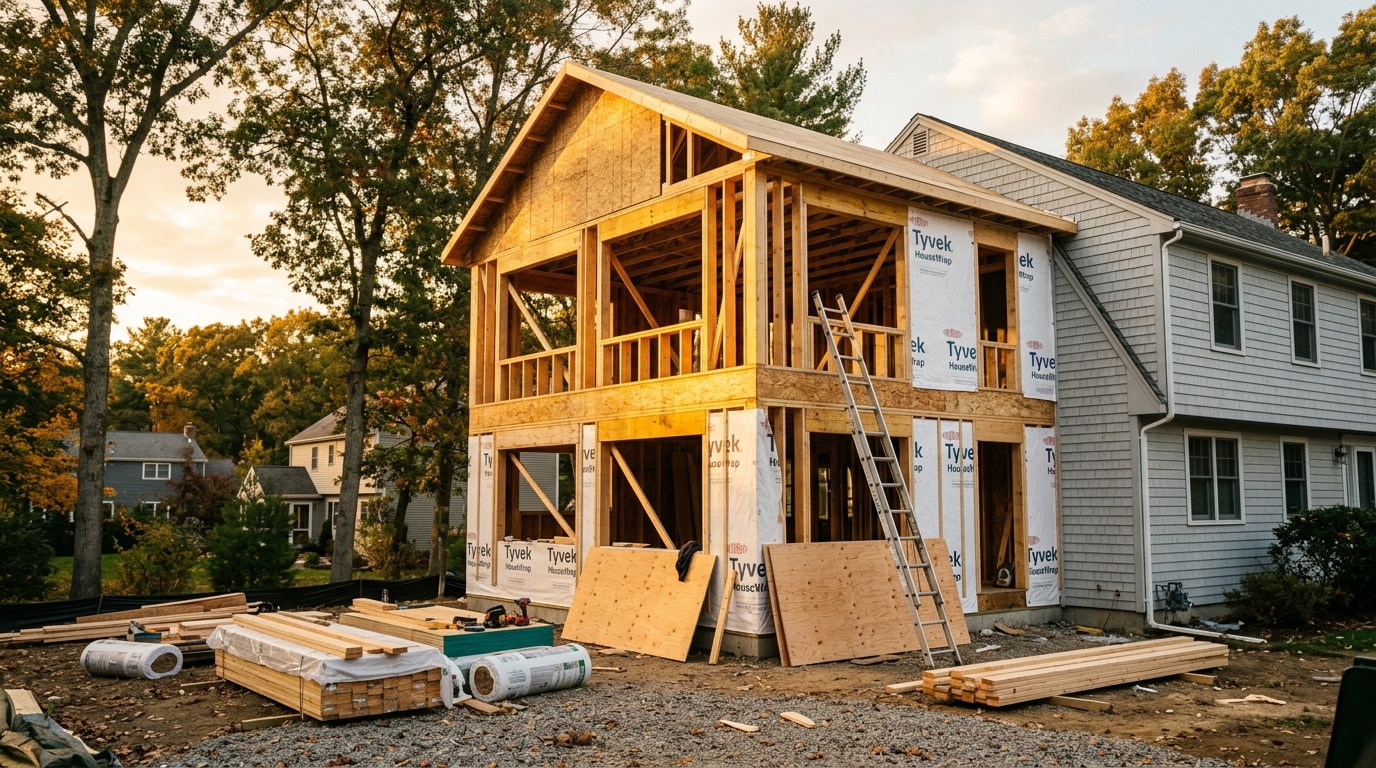

Hiring the right contractors for home renovation work can make or break your budget before a single wall comes down. The wrong pick means missed deadlines, change-order surprises, and work you have to pay someone else to redo. This guide walks through matching trades to your project, building a shortlist, verifying credentials, and the exact questions to ask before you sign.
Matching the Right Contractor to Your Renovation Type
Different renovations pull in different combinations of trades, and knowing which ones you need before you start calling around saves you a dozen wasted consultations.
| Project Type | Trades Typically Needed |
|---|---|
| Bathroom renovation | Plumber, builder, tiler |
| Kitchen renovation | Plumber, electrician, tiler, builder, painter/decorator |
| Home extension | Builder, carpenter, electrician, plumber, painter/decorator |
| Whole-home remodel | Full crew: all of the above plus a project manager or general contractor |

A bathroom job needs a plumber, builder, and tiler for tear-outs, waterproofing, and finish work. A kitchen pulls in an electrician and painter too, since wiring and cabinetry share the same tight footprint. A home extension needs the broadest team of all, down to a carpenter for framing.
One thing most national guides skip: in Ohio, there's no single statewide license that covers general contractors. The state's Ohio Construction Industry Licensing Board issues licenses to qualified contractors who pass the PROV licensing exam only for specialty commercial trades, and residential buildings, as defined in Ohio Revised Code 3781.06, are excluded from OCILB's jurisdiction . That means general remodeling contractors are often registered at the city or county level instead, so "licensed" can mean different things depending on which Ohio municipality you're in. If your renovation touches old drain lines or a failing sewer connection, that's a separate specialty trade worth pricing out on its own through a drainage service rather than folding it into the general contractor's bid.
Building Your Contractor Shortlist
Once you know which trades your project needs, the next step is building a list of real candidates, not just the first name that shows up in a search.
Start With Referrals, Then Widen the Net
Build a list of ten to fifteen local contractors with the right expertise, then narrow it as you gather more information. Most homeowners build this list through:
- Recommendations from friends, family, or neighbors who finished a similar project recently
- Local online searches and neighborhood social media groups
- A contractor matching or referral service that pre-screens for licensing and insurance
A neighbor's finished kitchen tells you more than a five-star review ever will, because you can walk through it and ask the person who lived through the project how it actually went.
Review Portfolios and Past Work in Person
Once you have a shortlist, ask each contractor for a portfolio and pay attention to specialization, not just overall polish. A contractor who's great at kitchens isn't automatically the right fit for a bathroom; the code requirements and sequencing differ more than most homeowners expect.
Where possible, go a step further than photos. Ask to walk through a completed, similar project in person.

Seeing tile lines, cabinet fit, and finish quality firsthand tells you more about a contractor's actual craftsmanship than any photo gallery. Our project gallery works the same way: browse finished jobs by type before you decide who gets a site visit.
What to Look for Before You Hire
Finding candidates is only half the job. Here's what separates a contractor worth hiring from one worth passing on.
Qualifications and Experience
Confirm the contractor is licensed and insured for the specific work you need, then ask directly about recent, similar-scope projects. A contractor who's renovated a dozen kitchens isn't automatically qualified to manage a structural addition, and the reverse is true too.
Ask for specifics:
- How many similar projects have they completed in the last year?
- What's their typical timeline for a project this size?
- Have they handled challenges your home presents, like older wiring or load-bearing walls?
For niche work like historic restorations or high-end custom cabinetry, look for a specialist rather than a generalist stretching into unfamiliar territory.
Licensing, Insurance, and References
Verify credentials rather than taking a business card at face value. At minimum, confirm:
- Current public liability and workers' compensation insurance
- Trade association membership or accreditation
- References you can actually call, not just names on a sheet
- A timeframe that's realistic for the scope of work
Licensing verification works differently depending on where you live. In Ohio, you can check the Ohio Construction Industry Licensing Board directly, but since OCILB issues licenses to qualified contractors who pass the PROV licensing exam only for electrical, HVAC, plumbing, hydronics, and refrigeration trades on commercial work, a general remodeling contractor's credentials often sit with the local building department instead. Check each trade separately on larger jobs.
Here's a realistic scenario: a contractor hands you a license number that checks out, but the expiration date passed four months ago. That's not necessarily a scam, but it's worth asking about directly. A legitimate contractor renews promptly and won't get defensive when you bring it up.
Red Flags to Avoid
A licensed contractor has passed tests and meets qualifications set by local or state authorities. If a contractor can't provide proof of a valid license, that's one of the clearest red flags you'll encounter, and it should stop the conversation.
Watch for these signs:
- Pressure to sign immediately or a "today-only" discount
- Requests for full payment upfront
- Reluctance to put the scope of work in writing
- A price dramatically lower than every other bid
- No fixed business address or inconsistent contact information
Consider only contractors who are licensed and insured, and check with your state or county government to confirm a contractor's license and ask for proof of insurance , according to the FTC's consumer guidance. An unlicensed contractor isn't just a legal risk to them; it can mean no recourse for you if the work fails inspection or causes damage later. The FTC's full guide on avoiding home improvement scams is worth reading before you sign anything.
Sourcing Bids and Comparing Quotes
With a vetted shortlist, the final stretch is turning candidates into a signed contract.
Start by confirming credentials and reading reviews before scheduling a site visit. There's no point touring your home with someone whose license already failed verification.
During the visit, walk the contractor through the full scope, point out anything unusual about the space, and ask how they'd sequence the work. After that consultation, each contractor should present a bid with:
- A clear timeline
- An itemized materials list
- A total cost broken down enough to compare line by line
Get bids from three to four contractors before choosing one. Fewer than that and you can't tell if a price is fair; more than that and the comparison gets unwieldy without adding real insight.
If your project is actually a structural addition rather than a straight remodel, the vetting process shifts slightly. See our contractor home addition guide for what changes when you're adding square footage instead of updating what's already there.
Ready to move forward on the sitework side of a renovation, like excavation, drainage, or a water line that needs attention before interior work starts? Request a free estimate and we'll walk the site with you.
Questions to Ask Before You Sign
A short interview rounds out everything above. Ask these directly, and listen for hesitation:
- Will you pull the required permits, or is that on me?
- What's your full payment schedule, in writing?
- Can you provide proof of current liability and workers' comp insurance?
- How many active projects are you running right now?
- Who is my single point of contact during the job?
- What's your process for change orders if something unexpected turns up?
- Can I get three references from projects finished in the last year?
- Is this bid a fixed price or an estimate that could shift?
- What's your warranty on labor, separate from the manufacturer's warranty on materials?
- What happens if the project runs past the agreed timeline?
If a contractor tells you to pull the permit yourself, treat that as a warning sign. The person whose name is on the permit is responsible for making sure the job is done properly, and that shouldn't be you if you're not the one doing the work. A building permit gives you legal permission to start construction of a building project in accordance with approved drawings and specifications, and building permits are very beneficial to you and your community , according to the International Code Council. Permit requirements vary by project and jurisdiction; structural changes, new electrical circuits, and plumbing relocations typically require one, while cosmetic updates often don't.
Payment terms deserve equal attention. Deposit norms vary by state. California, for example, caps it by law: if you are making a down payment, make sure it is no more than 10% of the contract price or $1,000, whichever is less , per the state's Contractors State License Board. Ohio doesn't impose that exact cap, but the same principle holds everywhere: a reasonable schedule ties payments to completed milestones, not to the calendar, and paying the full amount upfront removes your leverage if work stalls.
Local Permit Notes for Our Ohio Service Area
Permit offices and inspection timelines differ even within a short drive. If you're renovating in Wooster, Akron, Massillon, Ashland, Mansfield, Dover, or New Philadelphia, check with your local building department before assuming your contractor's standard timeline applies. In our own excavation and sitework across this part of Ohio, we've seen renovation schedules slip by weeks when a general contractor waited until demo day to coordinate a rerouted drain line or a water service relocation that needed its own inspection.
Your Renovation Contractor Hiring Checklist
Pulling everything together, here's the condensed version to run through before you sign anything:
- Identify the scope of the project and which trades you actually need
- Build a shortlist of ten to fifteen candidates through referrals, research, or a matching service
- Review portfolios and, where possible, see a completed project in person
- Verify licensing, insurance, and trade association membership directly
- Check references you can actually call
- Get bids from three to four contractors
- Confirm a realistic timeframe and a written payment schedule tied to milestones
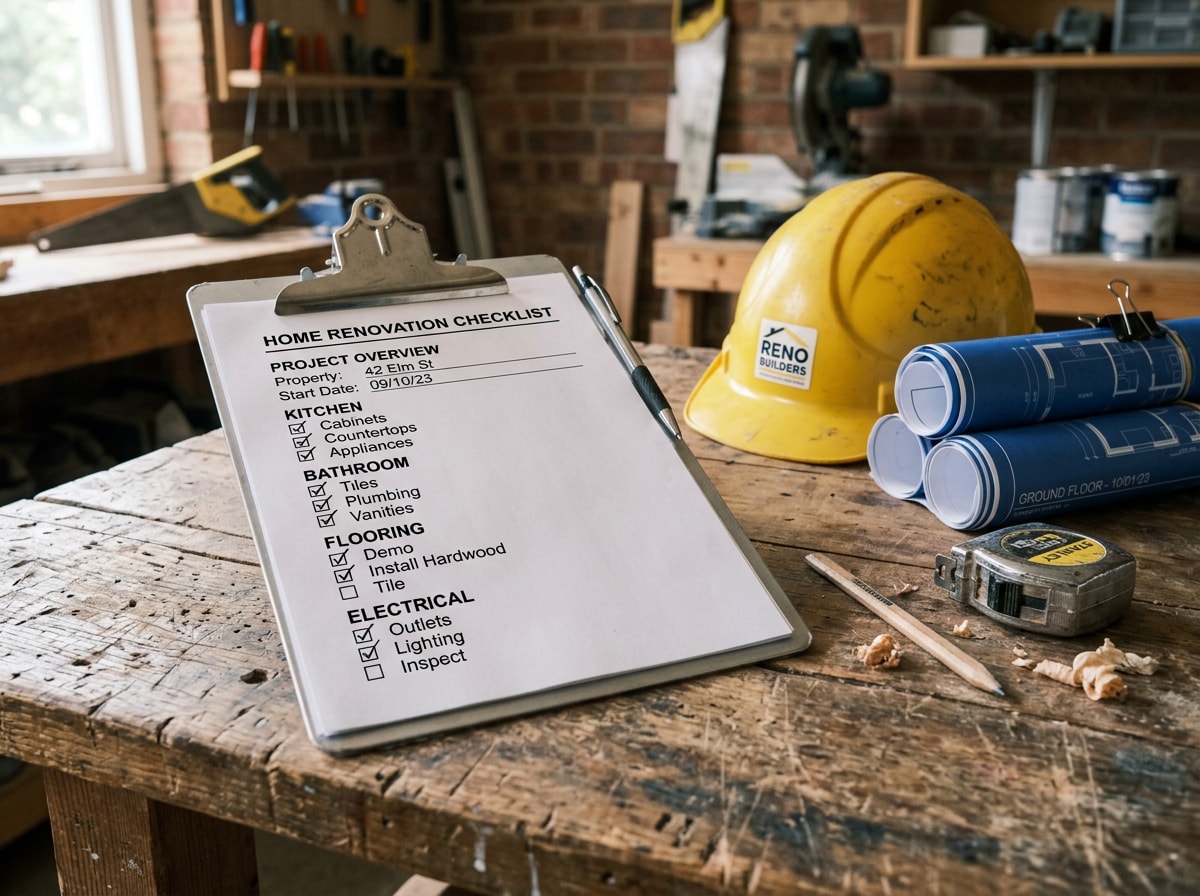
This checklist works whether you're comparing contractors for a powder room refresh or a full gut renovation. Working through it in order, instead of jumping to whichever contractor feels friendliest, is what separates a smooth project from a stressful one. If your project ties into drainage, water lines, or excavation work, start with our homepage to see the services our crews handle directly.
FAQ
What Can a General Contractor Do?
A general contractor manages the full renovation: scheduling trades, tracking material lead times to prevent delays, and planning so materials arrive at the right point in the project. They typically handle permits, coordinate inspections, and act as your single point of contact so you're not managing several trades yourself.
Do Contractors Carry Workers' Compensation and Liability Insurance?
Ask to see proof rather than accept a verbal confirmation. If a contractor doesn't carry proper insurance, you become liable if anyone is injured on site during the project. Request a copy of their insurance certificate directly so you know the coverage is current.
How Many Quotes Should I Get Before Hiring a Contractor?
Most guidance points to three to four bids as the sweet spot. That's enough to spot an outlier price or mismatched scope without dragging the comparison out for weeks. Fewer than three leaves you guessing whether a quote is fair.
How Much Should I Pay a Contractor Upfront?
Deposit norms vary by state. Some states cap it by law; California, for instance, limits a down payment to no more than 10% of the contract price or $1,000, whichever is less . Wherever you live, avoid paying the full amount upfront. It removes your leverage if work stalls or quality slips.
Do I Need a Permit for My Renovation?
It depends on the work. Structural changes, new electrical circuits, added square footage, and plumbing relocations almost always need one. Cosmetic updates like painting or swapping fixtures usually don't. Check with your local building department before work starts, since requirements differ by city even within the same state.
What Should Be in a Written Contract?
At minimum: the contractor's name, address, and license or registration number; a detailed scope of work; start and completion dates; the total price; a payment schedule tied to milestones; and a written change-order process. Don't start work until you have a signed copy in hand.
About the Author
This guide is maintained by the field team at The Trenchless Co., an Ohio-based drainage, water line, and excavation contractor serving Wooster, Akron, Massillon, Ashland, Mansfield, Dover, and New Philadelphia. Our crews work alongside general contractors on renovation sitework every week, which is where most of the permit and sequencing issues in this guide come from firsthand. Questions about a specific project? Contact us directly.