Typing multifamily general contractors near me into a search bar usually means you're past the research phase and trying to separate firms with real apartment-building experience from ones that just have a nice website. This guide breaks down what a multifamily GC actually does, where to find qualified candidates in your area, and the specific factors, experience, licensing, communication, and cost, that separate a dependable partner from an expensive mistake. It also covers a piece most hiring guides skip: how underground utility and site work gets coordinated on occupied properties.
What a Multifamily General Contractor Actually Does
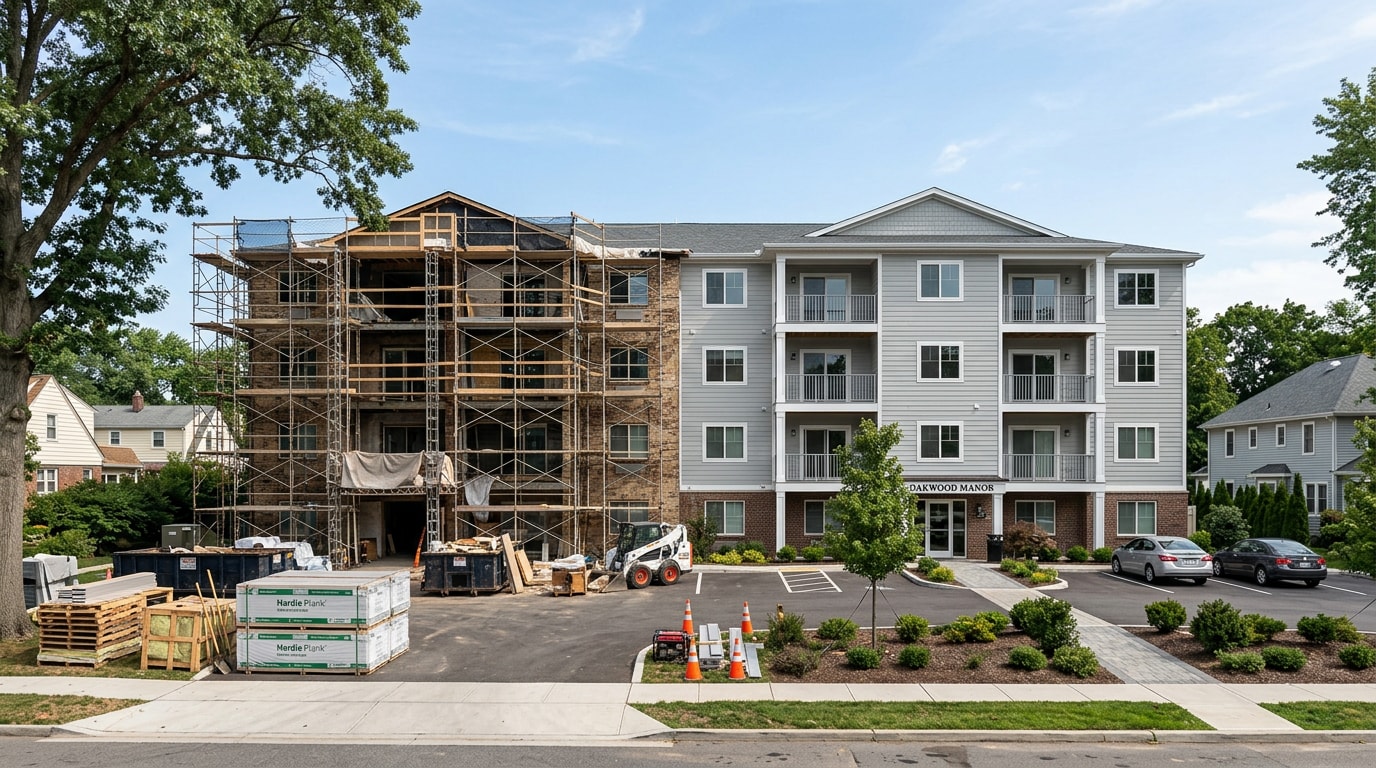
A multifamily general contractor oversees every phase of a residential building project with more than one unit, coordinating design, permitting, labor, and materials so the property owner isn't managing each piece separately. On a typical project, that includes collaborating with architects and engineers during design, pulling and managing permits, hiring and supervising subcontractors, and purchasing materials at scale. Many multifamily GCs also run site assessments before bidding, build detailed cost estimates, and plan construction phasing around occupied units so residents aren't displaced mid-project.
That last point is where multifamily work diverges from single-family construction. A single-family GC typically works on one structure, one owner, and one code pathway. A multifamily GC has to sequence multiple trades across shared walls and systems, keep occupied units livable during construction, and satisfy building and occupancy codes that scale with unit count.
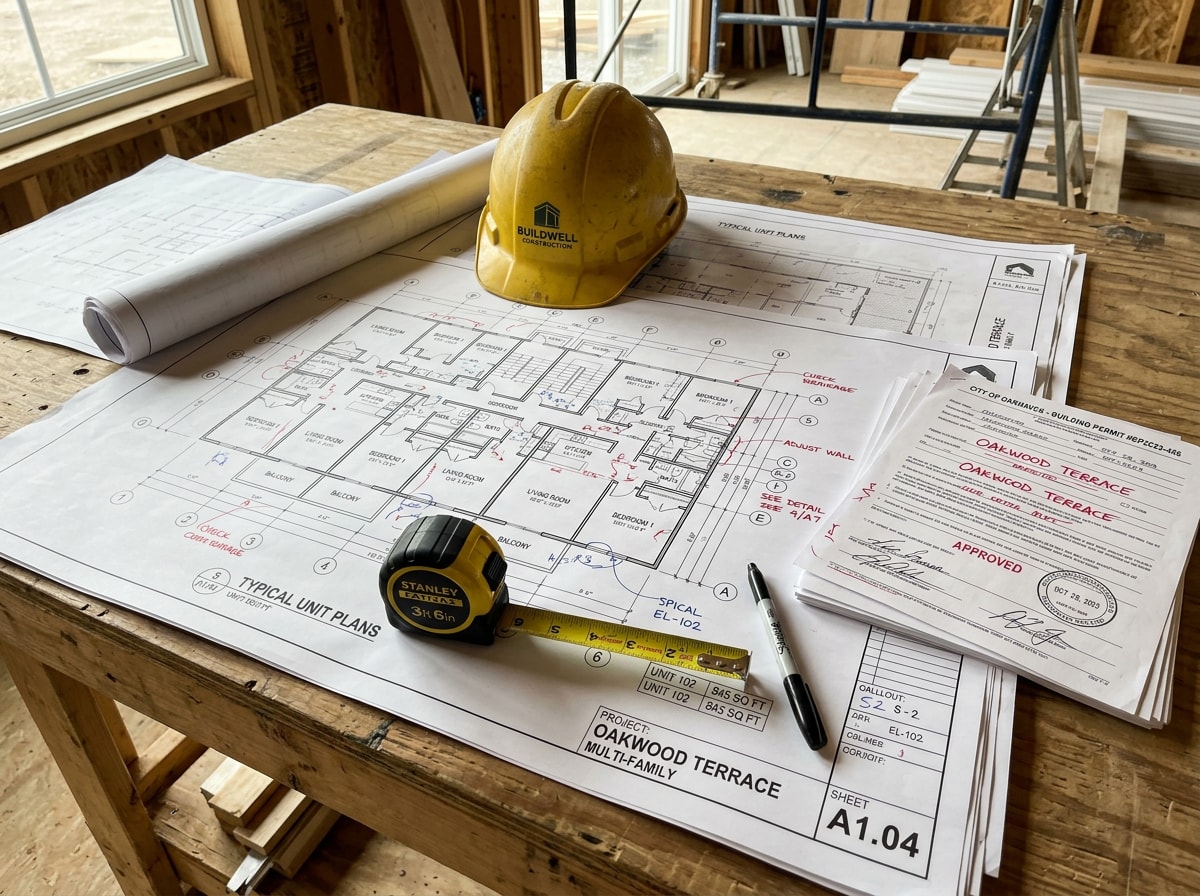
This isn't a minor distinction. The International Building Code differentiates between larger, multistory apartment buildings and smaller, low-rise multifamily buildings, so a two-story, 16-unit building with direct exterior exits is regulated differently than a five-story, 40-unit building with a shared interior means of egress. A single-family renovation never touches that kind of scaling requirement, which is exactly why permitting experience on comparable buildings matters more here than almost anywhere else in residential construction.
Where to Find Multifamily General Contractors Near You
Searching multifamily general contractors near me online is a reasonable start, but it's rarely the whole strategy. Business directories surface options, but referrals from other property owners, developers, or property managers tend to produce more reliable candidates. Your construction lender is another underused resource. Banks and debt funds that finance multifamily projects usually keep a shortlist of local GC relationships they already trust.
One caveat: some of the best multifamily contractors in a market barely advertise. Word-of-mouth keeps their schedules full, so a thin online presence doesn't automatically mean a weak contractor. Cross-reference a few sourcing methods, directories, referrals, and lender recommendations, rather than relying on search results alone.
If you're evaluating firms across Northeast Ohio, a documented local track record matters more than a polished homepage. Our teams have completed site and utility work tied to multifamily projects in Akron, Wooster, and Massillon, and you can see the kind of documentation to ask any GC for on our projects page.
Top Factors to Look for in the Best Multifamily General Contractor
Once you have a shortlist, the real work starts: screening. Three factors consistently separate dependable multifamily general contractors from ones that create headaches mid-project.
Expertise and Experience
Genuine multifamily experience should be judged against comparable project history, not years in business or a broad commercial resume. A contractor's real qualification comes from having built projects similar in unit count, occupancy status during construction, and building type, garden-style, mid-rise, or mixed-use, to the one you're planning.
A commercial contractor who has built office parks isn't automatically qualified to phase construction around 150 occupied apartment units. Request a portfolio with photos, unit counts, and timelines for at least three recent multifamily jobs. If a candidate can't produce that detail quickly, treat it as a gap worth asking about.
Insurance and Licensing
Confirming a contractor is licensed and insured means checking directly with your state or local licensing board, not taking their word for it. Most boards post searchable databases online, and a lookup takes only a few minutes.
Ask every candidate for proof of general liability insurance, workers' compensation coverage, and bonding, then request documentation instead of a verbal confirmation. A bonded contractor gives you a financial backstop if work goes unfinished or fails to meet code. Resources like the Contractor's State Licensing Information Directory summarize licensing requirements across states, identifying more than 180 state agencies that regulate the construction industry , which is useful if you're vetting firms that operate across state lines. Skipping this step is one of the more common, and costly, hiring mistakes property owners make.
References and Reputation
Online reviews are a fast first filter, but they shouldn't be the only one. Read recent reviews for patterns. Recurring complaints about missed deadlines or poor communication matter more than a single bad rating.
Then go a step further:
- Call two or three past clients directly.
- Ask how the contractor handled unexpected issues.
- Confirm whether the finished work matched the original bid.
Pay attention to how references describe the contractor's response when problems came up. Delays and change orders happen on almost every project, and how a GC handles them says more than whether problems occurred at all.
Communication Standards That Prevent Delays
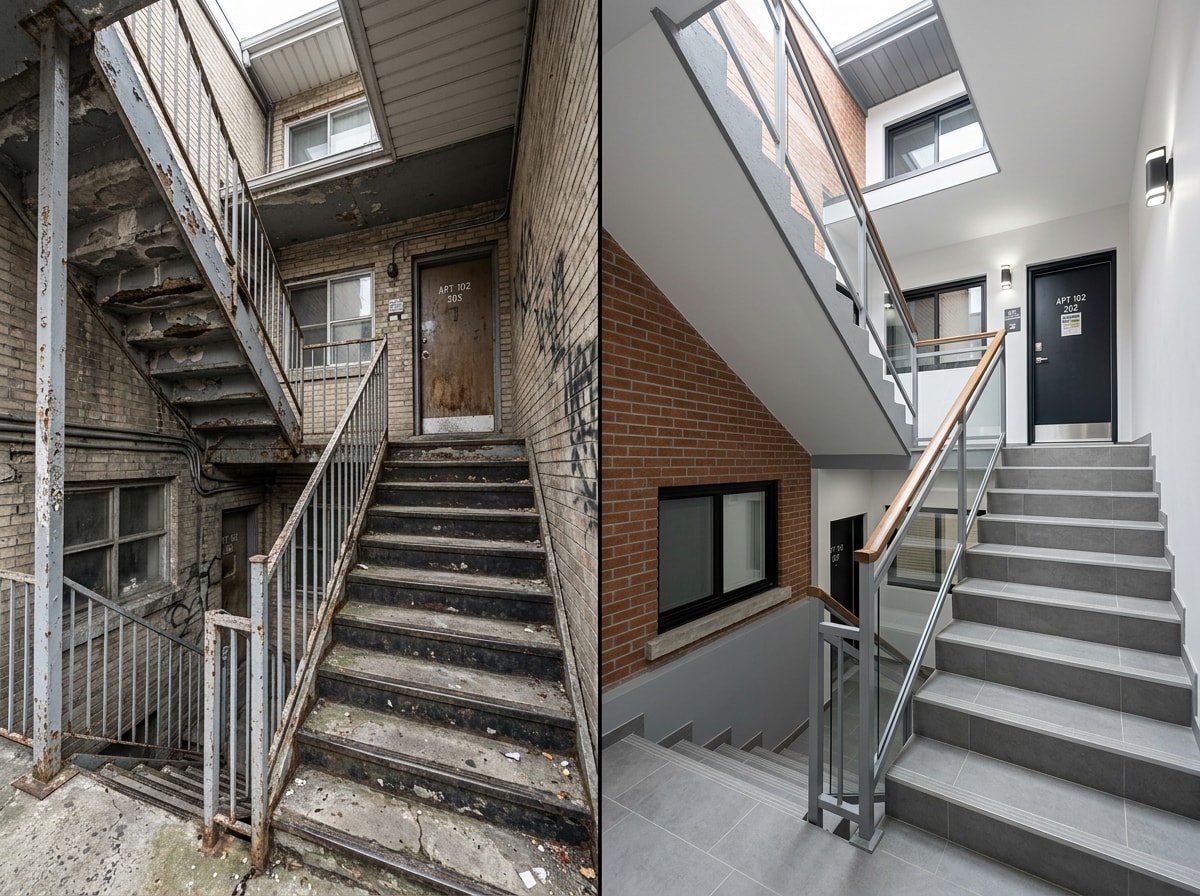
Strong contractor communication is one of the clearest predictors of a smooth multifamily project. Look for a GC who commits to regular updates, transparent reporting on budget and timeline changes, and prompt responses when issues come up, not just during bidding.
Communication needs vary by client and project size. Some owners want daily check-ins; others prefer a biweekly summary and a call when something material changes. Ask candidates directly how they handle updates and reporting, then compare that against what you actually need. A contractor who gets vague when asked this question is worth a second look.
The Site Work Multifamily GCs Rarely Talk About Upfront
Most hiring guides stop at licensing and references. What they leave out is how much of a multifamily timeline depends on what's underground before framing ever starts.
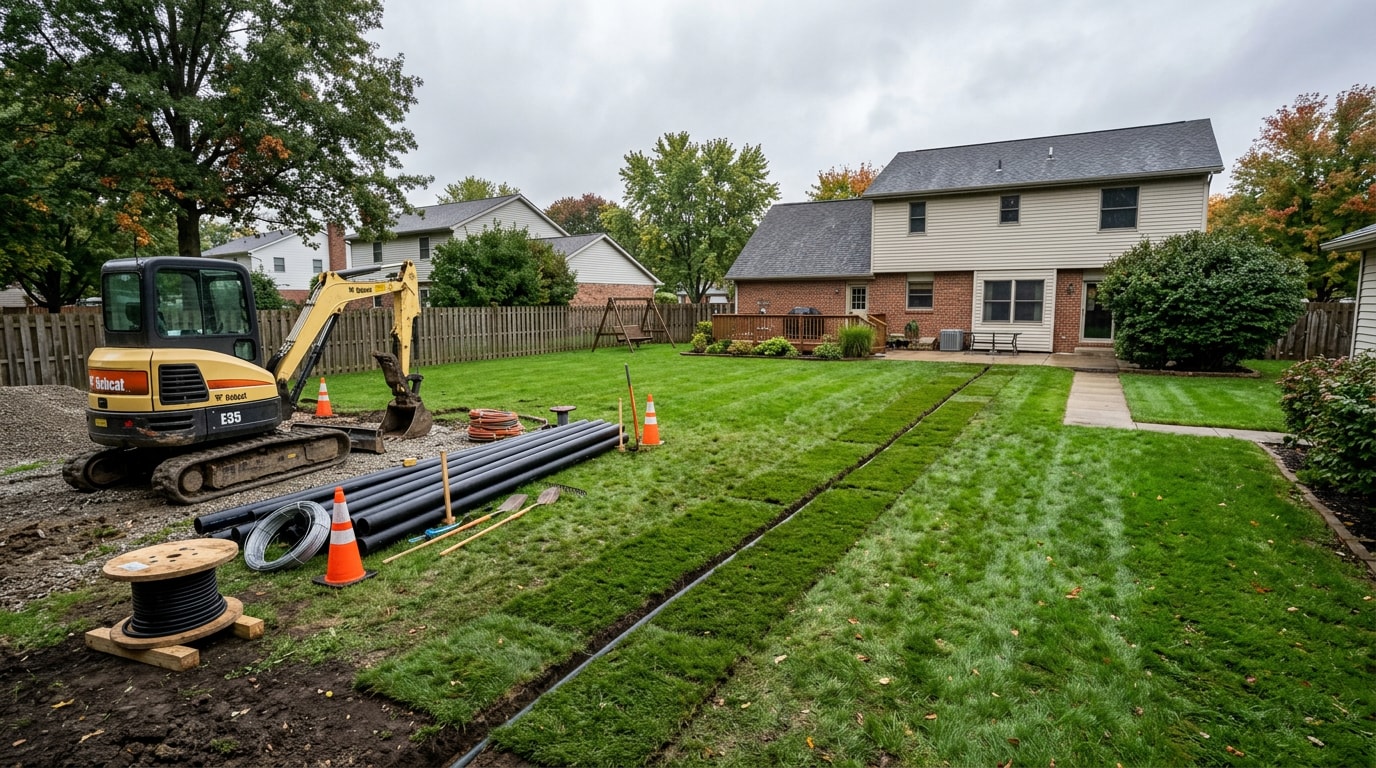
On occupied properties, we've seen renovation schedules stall for weeks because nobody ran a sewer line inspection or water line locating survey before excavation began. A multifamily GC who subcontracts out excavation services, site preparation, and trench digging without confirming utility locations first is setting up a change order before ground is even broken.
Ask your GC candidate one direct question: who handles drain repair or water line repair if a line is damaged mid-excavation, and how fast can that crew mobilize? A GC without a ready answer is passing that risk to you. Explore our full drainage service and water testing service offerings to see what a properly coordinated scope looks like before you sign a contract.
Cost and Budget Analysis When Choosing a General Contractor
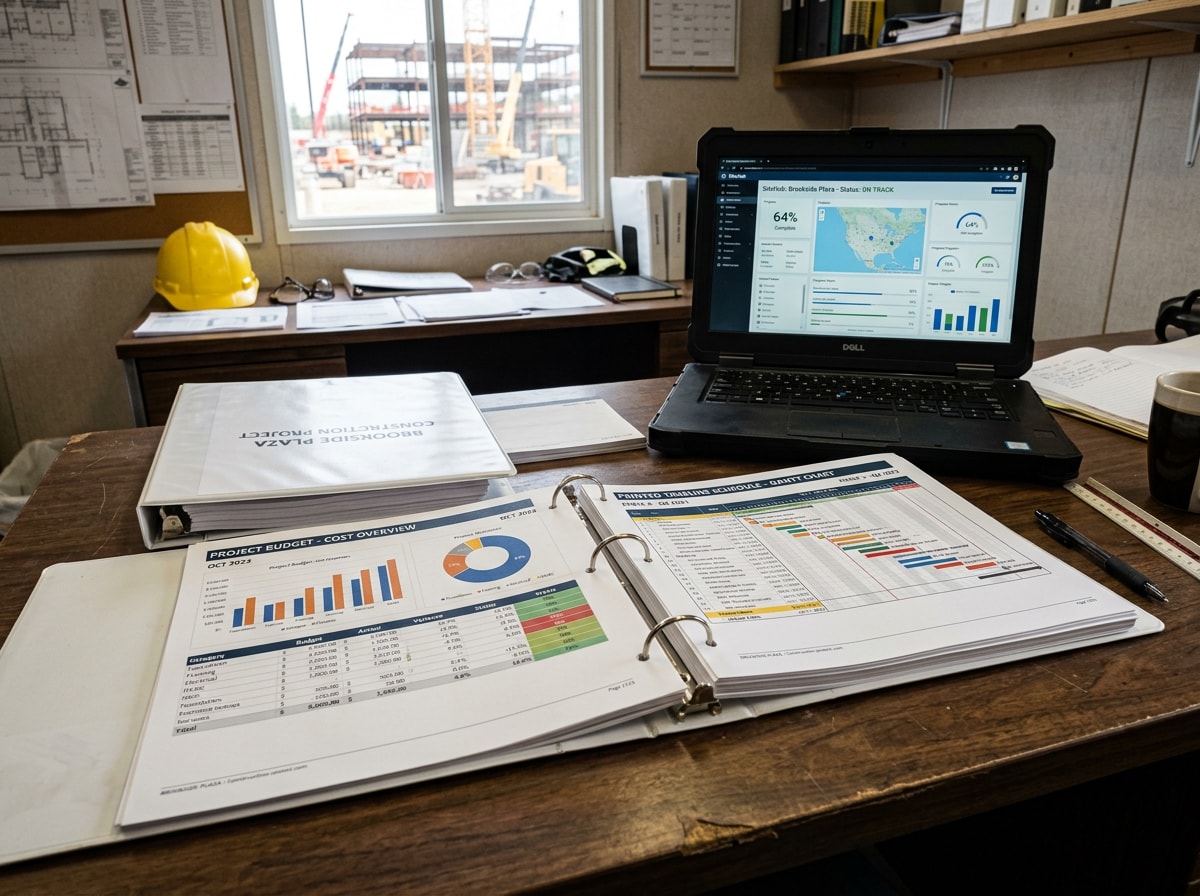
General contractor cost typically breaks into two buckets: hard costs (materials, labor, equipment) and soft costs (permits, design fees, and the GC's own fee). Understanding this split helps you compare bids on equal footing instead of just looking at a bottom-line number.
| Fee Structure | How It Works | Typical Range | Best For |
|---|---|---|---|
| Flat fee | Single price agreed upfront for GC oversight | Fixed dollar amount | Projects with a locked scope and finishes |
| Percentage of cost | GC fee calculated as a share of total construction cost | Roughly 10%-20% | Larger multifamily jobs with evolving scope |
| Cost-plus | Contractor bills documented costs plus an agreed fee | Fee added on top of itemized costs | Owners who want full cost transparency |
On a $2 million renovation, a 15% fee adds roughly $300,000 to the project, money that should map to real oversight, subcontractor management, and risk assumed, not just a markup. Before you sign, it helps to know where material and labor costs are trending. The Bureau of Labor Statistics tracks construction pricing by combining material and installation cost data with margin data collected monthly directly from building construction contractors , which is a useful sanity check if a bid's fee looks unusually high or low for current market conditions. National trade groups like the Associated General Contractors of America, which represents thousands of general and specialty contracting firms nationwide , also publish cost trend commentary worth a quick read before you negotiate.
Ready to compare a bid against your construction budget? Request a free estimate to see how the numbers line up before you commit to a contract.
Common Mistakes to Avoid When Selecting a Multifamily General Contractor
Some of the costliest hiring mistakes happen before construction ever starts.
- Starting the search too late. Permitting and contractor scheduling both take longer than owners expect, and a rushed hire limits your options.
- Skipping a detailed project description. Vague scope makes it hard to compare quotes apples-to-apples.
- Collecting only one or two bids. Multiple bids surface differences in scope assumptions, not just price.
- Not calling references before signing. A polished portfolio doesn't replace a direct conversation with a past client.
- Treating communication as a minor detail. Vague answers about reporting cadence during bidding usually predict vague answers during construction.
Any one of these can turn into a budget or timeline problem months into construction. Avoiding them starts with slowing down during the selection phase, even when a project timeline feels tight.
Best Practices for Selecting a General Contractor for a Multifamily Project
Start the hiring timeline early. Permitting alone can run nine months or longer in some jurisdictions, so beginning the search as soon as a project is conceptually approved, rather than after design is final, gives you room to vet properly.
Write a detailed project description before requesting bids. Specifics on unit count, scope, finishes, and phasing around occupied units lead to more accurate, comparable quotes. Then get bids from at least three contractors before deciding. For a broader framework on vetting any builder, not just multifamily specialists, see our guide on how to choose a builder, which covers red flags that apply across residential and multifamily hiring alike.
Our team at The Trenchless works alongside GCs on the underground portion of multifamily projects across Ohio, and the pattern holds every time: the contractors who ask detailed questions about utility conditions before bidding are the ones who finish on schedule.
FAQ
What Does GC Stand for in Construction?
GC stands for General Contractor, the licensed professional or firm responsible for overseeing a construction project from permitting through completion. A GC manages subcontractors, materials, scheduling, and code compliance so the property owner has a single point of accountability. On multifamily projects, that scope extends to coordinating multiple trades across shared building systems and occupied units, not just a single structure.
What Responsibilities Does a General Contractor Have in Apartment Construction Projects?
A general contractor hires and oversees subcontractors, secures and manages permits, and confirms work meets local building and occupancy codes throughout construction. They also maintain project documentation, contracts, change orders, inspection records, and take responsibility for punch-list work through final completion. On multifamily buildings, that includes phasing work so occupied units stay livable and confirming shared systems like fire suppression and electrical meet code before sign-off.
How Much Does a General Contractor Charge?
Most general contractors charge either a flat fee or a percentage of total project cost, with the percentage model commonly landing between 10% and 20% depending on project size and complexity. Smaller jobs sometimes use an hourly rate instead, though that's less common on multifamily construction. Ask for a line-item breakdown so you can see exactly what the fee covers before you sign.
What's the Difference Between a General Contractor and a Construction Manager?
A general contractor typically bids a fixed or percentage-based price and manages day-to-day site operations, which creates an incentive to control costs to protect their own margin. A construction manager usually charges a flat fee independent of the project bid and gets involved earlier, often alongside the architect during design, which can make for a more collaborative relationship depending on how your project is structured.
How Should I Research to Find a Quality General Contractor for My Apartment Property?
Start by identifying contractors who specialize in multifamily work rather than general commercial or residential builds. Review their portfolios and past project photos, read recent client reviews, and speak directly with two or three past references about dependability and communication before making a final decision. That combination, specialization, documented history, and direct reference calls, gives a clearer picture than a bid sheet alone.