
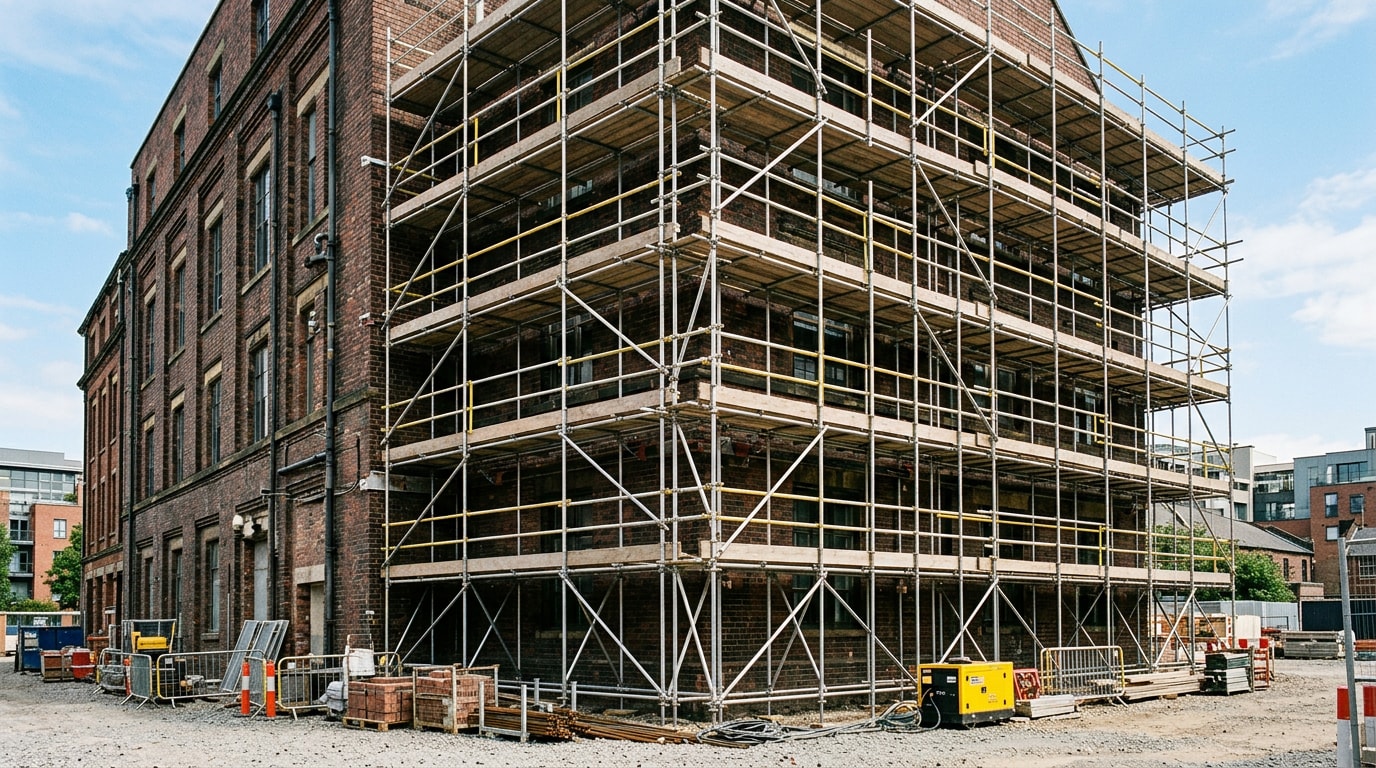
Hiring a scaffolding contractor is one of the few decisions on a job site that affects safety, schedule, and liability all at once. A poorly vetted crew means unstable platforms, failed inspections, or an OSHA citation that stalls the entire project. This guide breaks down exactly what to check before you sign, so you hire a crew that keeps work moving and your crew safe.
What a Scaffolding Contractor Actually Does
A scaffolding contractor designs, erects, inspects, and dismantles the temporary structures that let crews work safely above ground level. That's different from a plain equipment rental company, which may only drop off parts and leave assembly to your crew.
A full-service contractor typically handles:
- Site assessment and scaffold design for the specific structure
- Delivery, erection, and daily safety inspections
- Modifications as the project progresses (moving platforms, adding sections)
- Dismantling and site cleanup once work is complete
If your project involves anything beyond a single-story residential job, this distinction matters. A rental-only outfit might save money upfront, but you're left responsible for assembly compliance and daily inspections that a licensed crew would otherwise own.
Scaffolding Types and What They Typically Cost
Not every project calls for the same setup, and pricing swings hard based on type, height, and duration. Here's a rough breakdown contractors commonly quote:
| Scaffold Type | Best For | Typical Daily Range | Typical Weekly Range |
|---|---|---|---|
| Frame scaffolding | Painting, siding, light residential repair | $15 – $50 | $50 – $150 |
| Rolling/tower scaffolding | Interior work, warehouses, two-story homes | $50 – $125 | $200 – $600 |
| System scaffolding | General construction, exteriors, commercial | $20 – $75 | $70 – $250 |
| Suspended/swing-stage | High-rise façade work, window cleaning | $75 – $200+ | $250 – $500+ |
Labor for erection and dismantling is usually quoted separately from equipment rental, and permit fees add to the total if the scaffold sits on a public sidewalk or road. Ask every contractor to itemize these three line items separately so you're comparing apples to apples.
How to Vet a Scaffolding Contractor Before You Sign
Run every candidate through the same checklist before any contract gets signed.
Licensing and Certifications
A licensed scaffolding contractor has met baseline training and compliance requirements, which usually means a designated competent person is on site who can identify hazards before work starts. National trade groups set the bar here: the Scaffold & Access Industry Association exists to lead the advancement and promotion of safety in the scaffold and access industry utilizing resources, education, and communication , and has provided safety education to thousands of contractors through its renowned seminars and training courses over its 50-plus year history. Ask to see current license numbers and training records, then verify them independently rather than taking a certificate at face value.
Insurance and Liability Coverage
Confirm the contractor carries both general liability and workers' compensation coverage, since the two protect against different risks: property damage versus on-site injury. Request proof of insurance directly from the carrier, not just a certificate handed to you, since coverage can lapse between jobs. A contractor who hesitates to provide this documentation is a red flag no matter how competitive the quote looks.
OSHA Safety Compliance
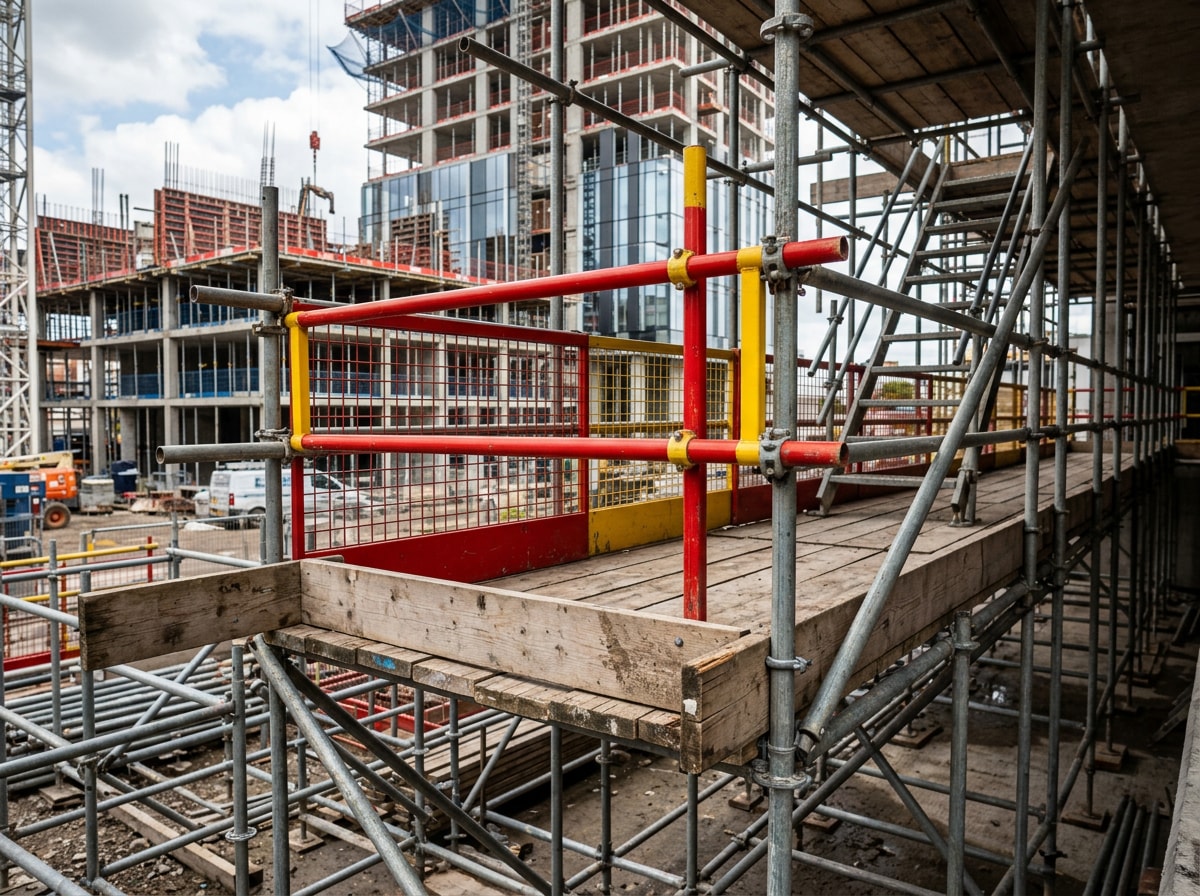
Scaffolding is where corners get cut, and the numbers back that up. In a single year tracked by the Texas Department of Insurance, there were 3,400 scaffold-related workplace injuries and 52 deaths and roughly $90 million in lost workdays and other costs . Federal rules under 29 CFR 1926.451 set the baseline: employees on scaffolds more than 10 feet off the ground must use personal fall arrest systems or guardrails , and scaffolds and scaffold components shall be inspected for visible defects by a competent person before each work shift . The standard also requires that scaffolds and scaffold components be capable of supporting without failure at least four times the maximum intended load . On a compliant job, expect to see guardrails, toe boards, and a trained competent person checking the structure daily. On a non-compliant one, it looks like unsecured planks and no one responsible for inspections.
Equipment and Scaffold Types Offered
Confirm upfront whether a contractor can supply and design the specific setup your project needs, whether that's frame scaffolding for a straightforward exterior job or a suspended system for high-rise facade work. Ask whether their equipment is owned or rented, since rented stock can mean longer lead times if demand spikes.
Experience With Your Project Type
Residential, commercial, and industrial jobs call for different skills. Ask how long a contractor has worked in your specific sector, and ask to see a portfolio of comparable projects rather than a generic brochure. A strong track record on similar builds predicts performance better than years in business alone.
Reviews, References, and Reputation
Read reviews on independent platforms, not just testimonials posted on the company's own site. Patterns matter more than a single complaint, so look for recurring mentions of missed deadlines or safety shortcuts. Ask for two or three recent client references and actually call them. A contractor confident in their work hands over names without hesitation, and you can see what finished, well-documented work looks like on our completed projects page.
Getting and Comparing Quotes
Request bids from at least two or three contractors before deciding. To compare fairly:
- Share the same project brief with every bidder so they're pricing identical scope.
- Ask for labor, equipment rental, delivery, and dismantling broken out as separate line items.
- Flag any bid that's dramatically lower than the others, since it often signals corners being cut on inspections or materials.
- Confirm installation and removal dates in writing before other trades are scheduled around them.
Transparent, itemized pricing protects you from change orders later in the project.
Where Scaffolding Fits Into a Larger Renovation or Build
Scaffolding rarely stands alone. Most jobs that need it are also dealing with site work underneath and around the structure: grading for a new foundation, clearing access for equipment, or managing drainage so standing water doesn't undermine footings mid-project. If your project involves exterior work beyond the scaffold itself, it's worth lining up excavation services and site preparation at the same time you're vetting a scaffold crew, so the two schedules don't fight each other. Projects near a foundation also tend to surface drainage issues once excavation starts, which is where a drainage service review before work begins can save a reopened trench later.
We coordinate these overlapping trades on job sites across Wooster, Akron, and the surrounding region regularly, and the projects that stay on schedule are the ones where site prep, scaffolding, and utility work get sequenced together from day one, not booked as separate afterthoughts. If you're hiring for a renovation that touches more than just the exterior access, our guide on how to find and hire contractors for home renovation walks through vetting criteria that apply well beyond scaffolding.
Scaffolding Contractor Hiring Checklist
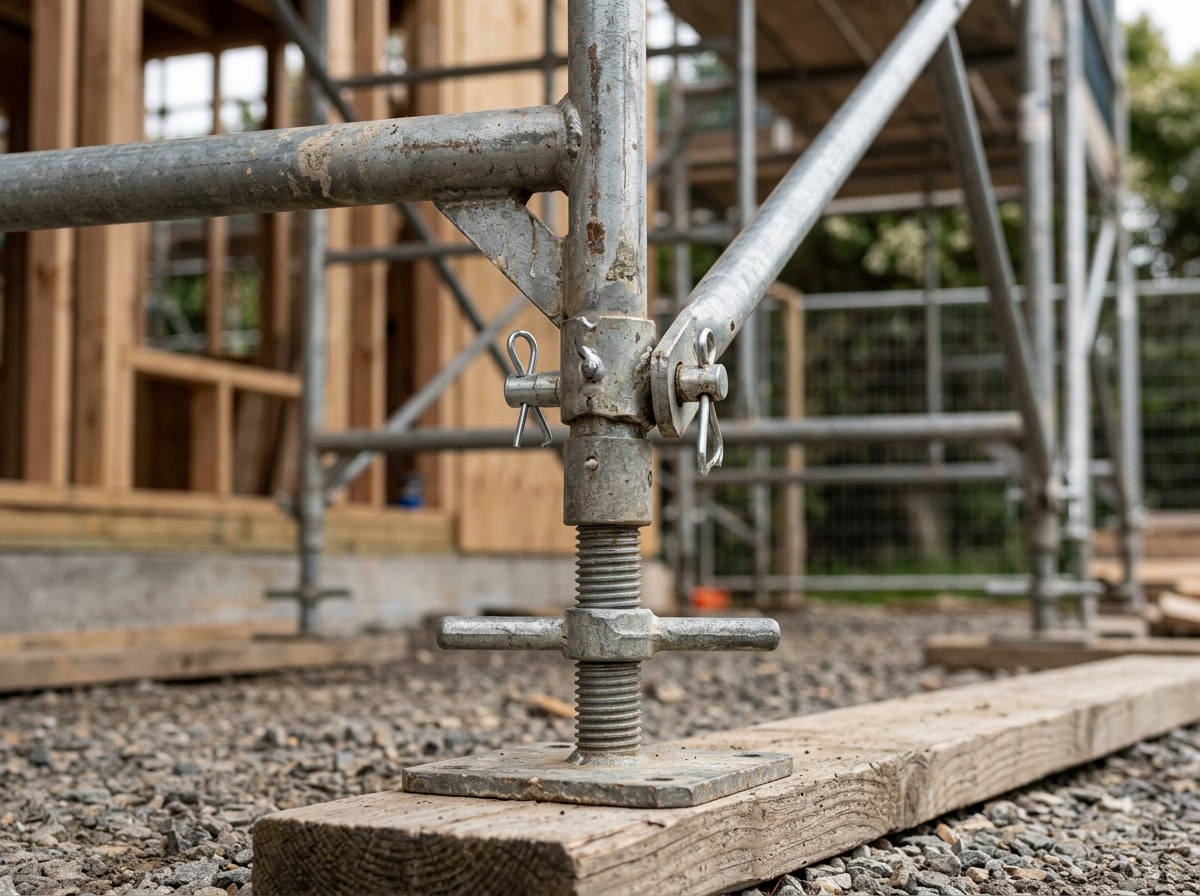
Before you sign, confirm:
- Relevant experience on projects similar to yours
- Current licensing and up-to-date certifications
- Proof of general liability and workers' compensation insurance
- Documented OSHA-compliant safety practices, including a named competent person
- Verifiable reviews and at least two client references you actually call
- A transparent, itemized quote broken out by labor, equipment, delivery, and dismantling
Running through this list takes an afternoon and can save weeks of delays later. Request a free estimate once you've narrowed your list, and our team can walk through how scaffolding, excavation, and site-prep schedules line up for your project.
FAQ
What does a scaffolding contractor do?
A scaffolding contractor handles the design, erection, daily inspection, and dismantling of temporary structures that let crews work safely at height. That's a step beyond an equipment rental company, which may only deliver parts.
How much does a scaffolding contractor cost?
Costs vary by scaffold type, height, and rental duration. Basic frame setups commonly run $15 to $50 a day, while taller towers or suspended systems run considerably higher. Always request a quote that separates labor, equipment, delivery, and dismantling.
Do I need a licensed scaffolding contractor?
Yes. A licensed provider has met training and compliance requirements and should have a designated competent person on site, which lowers your risk of safety violations and project delays.
How long does scaffolding installation take?
It depends on height and complexity. A basic residential setup might go up in a few hours, while a multi-story commercial scaffold with engineered design can take a day or more to erect and inspect before crews are cleared to work.
Who is responsible for scaffold safety inspections?
The contractor's designated competent person is responsible for inspecting the scaffold before each work shift and after any event that could affect its structural integrity. Ask for this in writing before work starts.
Do I need a permit to put up scaffolding?
Often, yes, especially if the scaffold sits on a public sidewalk or road. Permit requirements vary by municipality, so confirm with your contractor whether they handle the permit application or whether that falls on you.
Reviewed by the site services team at The Trenchless, who coordinate excavation, drainage, and site-prep crews alongside scaffolding and other trades across Wooster, Akron, and nearby Ohio job sites. Questions about sequencing your project? Contact us.