The best builders aren't the ones with the slickest ads. They're the ones whose last three clients would hire them again. This guide breaks down how to verify a builder's license, compare bids apples-to-apples, and spot the red flags that predict a rough build, so you can turn a long list of candidates into one confident decision.
Key Takeaways
- Check a builder's reputation and recent completed projects, not just their marketing materials.
- Verify license and insurance directly with the issuing agency before signing anything.
- Collect at least three quotes and compare scope, allowances, and payment terms, not just the bottom line.
- Ask pointed questions about timelines, change orders, utility locates, and warranty coverage before you commit.
- Watch for red flags like vague estimates, pressure to sign fast, or reluctance to provide references.
What to Look for in a Good Builder
The best builders combine hands-on craftsmanship, clear communication, and relevant experience for your specific project type. Look for consistent finish work, realistic timelines, transparent pricing, and a willingness to explain their process in plain language rather than vague promises.
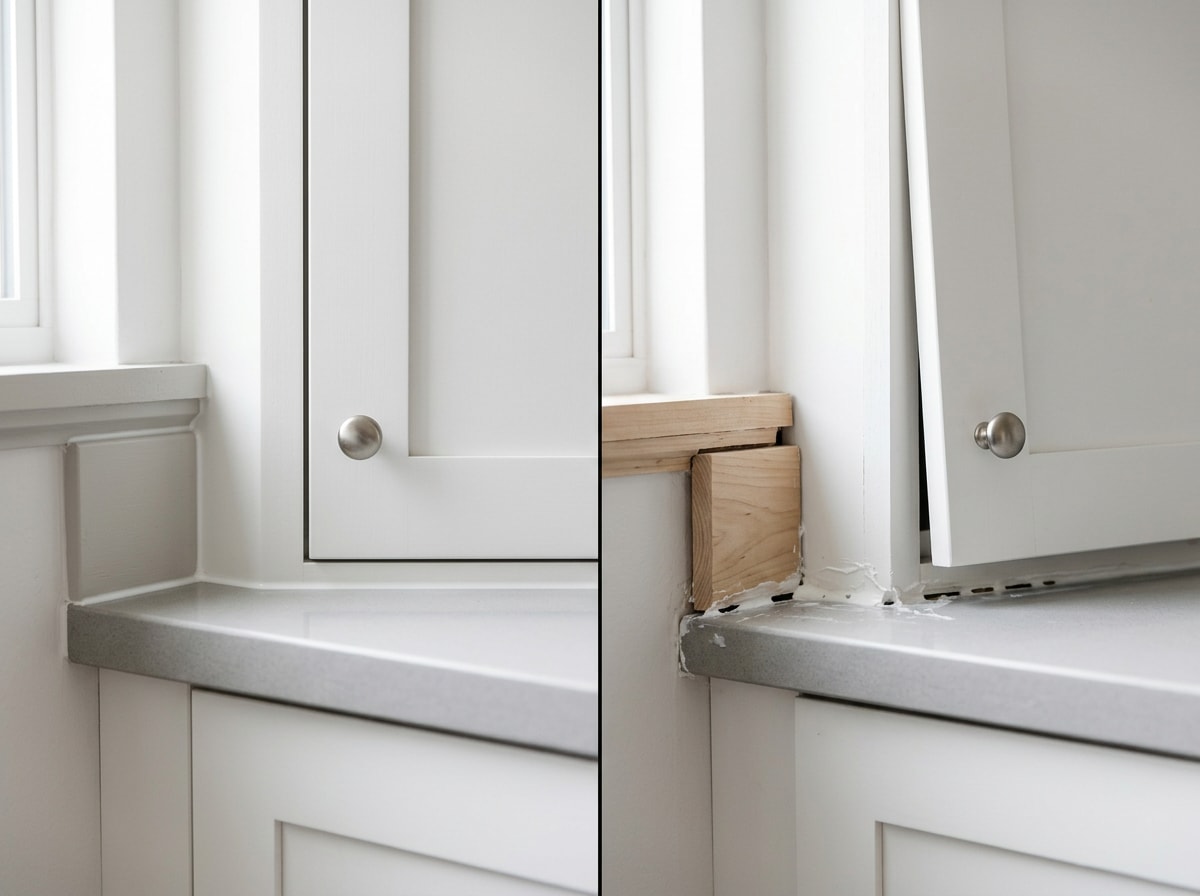
Craftsmanship becomes obvious once you know where to look. During a walkthrough or model-home visit, check how trim meets corners, how tile grout lines align, and whether transitions between materials look intentional rather than patched together. Rushed work often hides in these small details.
Communication matters just as much as skill. An experienced contractor should walk you through their process, explain pricing line by line, and set realistic expectations for how long the work will take. If a builder dodges questions or gives shifting answers about cost, treat that as an early warning sign.
It's also worth remembering that "best" depends on fit. A builder known for sleek modern remodels might not be the right choice for a historic home restoration. Match their portfolio and specialty to your actual project before judging them against a generic standard.
Signs of Strong Craftsmanship vs. Signs of Rushed Work
| Strong Craftsmanship | Rushed or Lower-Quality Work |
|---|---|
| Clean, even caulk and grout lines | Visible gaps or uneven sealant |
| Doors and drawers close smoothly | Sticking or misaligned hardware |
| Paint lines are crisp at edges | Overspray or bleed onto trim |
| Materials transition cleanly | Mismatched seams or visible patch work |
| Detailed, itemized estimates | Vague, one-line cost estimates |
8 Key Steps to Research and Vet a Builder
Vetting a builder means checking their license and insurance, reviewing recent local projects, reading verified reviews, and collecting at least three detailed quotes before comparing scope and payment terms side by side. Skipping these steps is one of the most common ways homeowners end up disappointed.
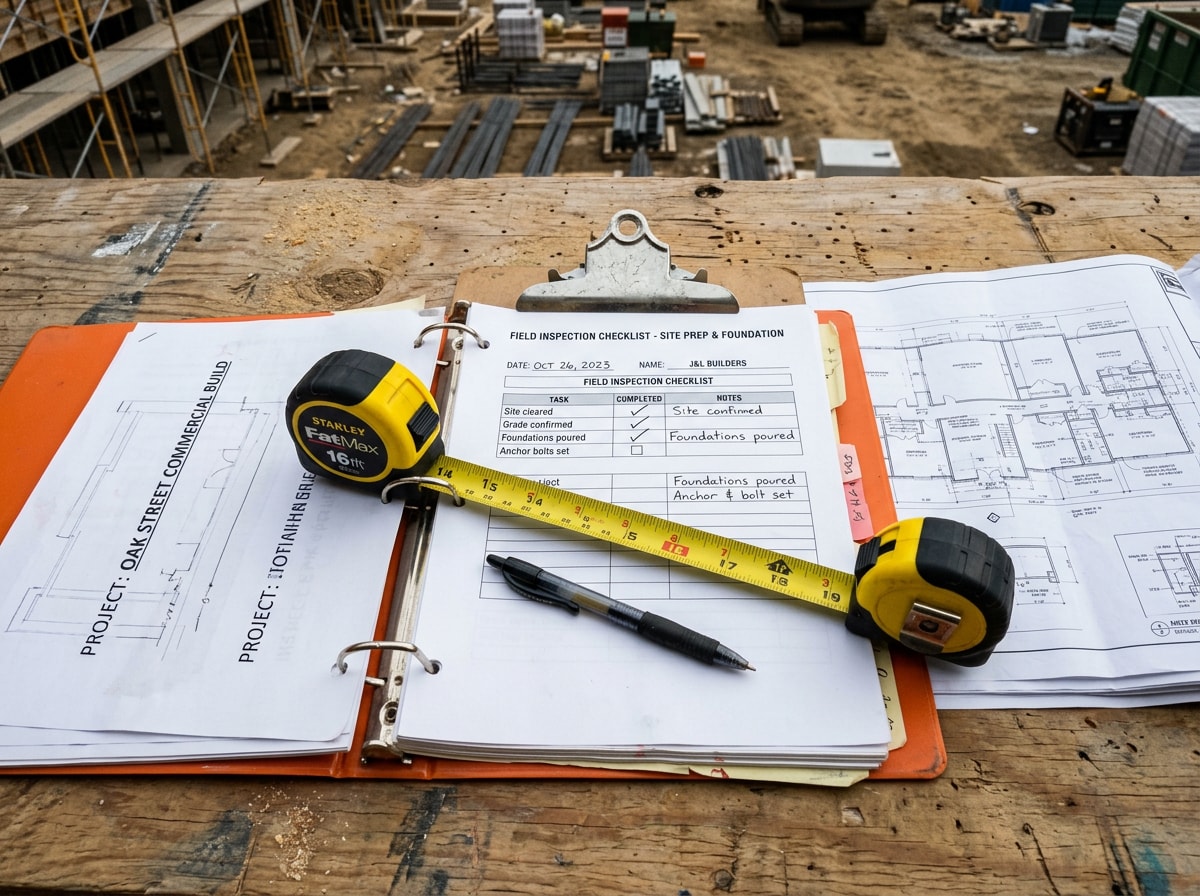
- Start with local projects. Ask to see homes or renovations the builder completed recently in your area, ideally ones you can view in person.
- Verify the license number. Don't just take a builder's word for it. Look up the license directly through your state or local licensing board to confirm it's active and matches the business name.
- Confirm insurance coverage. Request a certificate of insurance and call the provider if anything seems unclear.
- Read reviews across multiple platforms, not just the testimonials a builder hand-picks for their own site.
- Request at least three bids for any home renovation project of meaningful size.
- Compare proposals on scope, not just price. A lower number often means something was left out.
- Check payment schedules. Reasonable schedules tie payments to completed work, not a large sum upfront.
- Ask for references and actually call them.
This process is how you separate the best builders from the rest, rather than relying on guesswork.
Here's why comparing bids matters more than picking the cheapest number. Say two builders quote a kitchen remodel. One bid comes in at $45,000 and includes new electrical, permits, and mid-range cabinetry allowances. The other comes in at $38,000 but excludes permits and lists a much lower cabinetry allowance. On paper, the second quote looks cheaper. Add the excluded costs back in, though, and the final price often climbs above the first builder's bid. Comparing quotes line by line protects you from that kind of surprise.
To see examples of finished work in the area, browse our completed projects. To confirm a contractor's license status yourself, most states maintain a searchable database through their contractor licensing board; the National Association of State Contractors Licensing Agencies keeps a directory of participating state agencies if you're not sure where to start.
Key Questions to Ask a Builder
Before signing anything, ask questions that reveal how a builder actually runs a job, not just what they promise during the sales pitch.
- How realistic is this timeline, given your current workload? Builders juggling too many projects often cause delays.
- How are change orders handled? Get a clear answer on how price and schedule changes get documented and approved mid-project.
- Who will actually be on-site day to day? The person who sold you the job isn't always the person managing it.
- How will you communicate project updates? Weekly check-ins, a shared app, or photos after each phase all work, but vague answers don't.
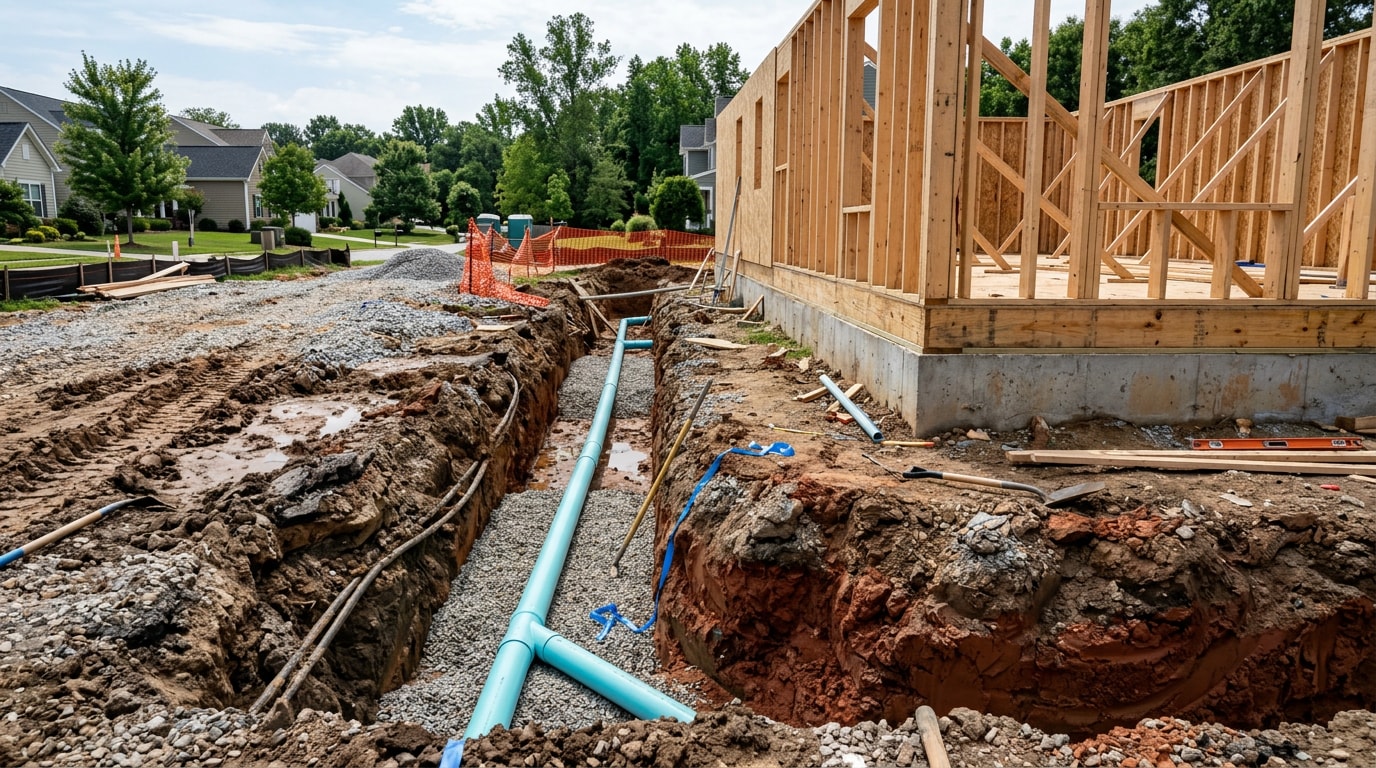
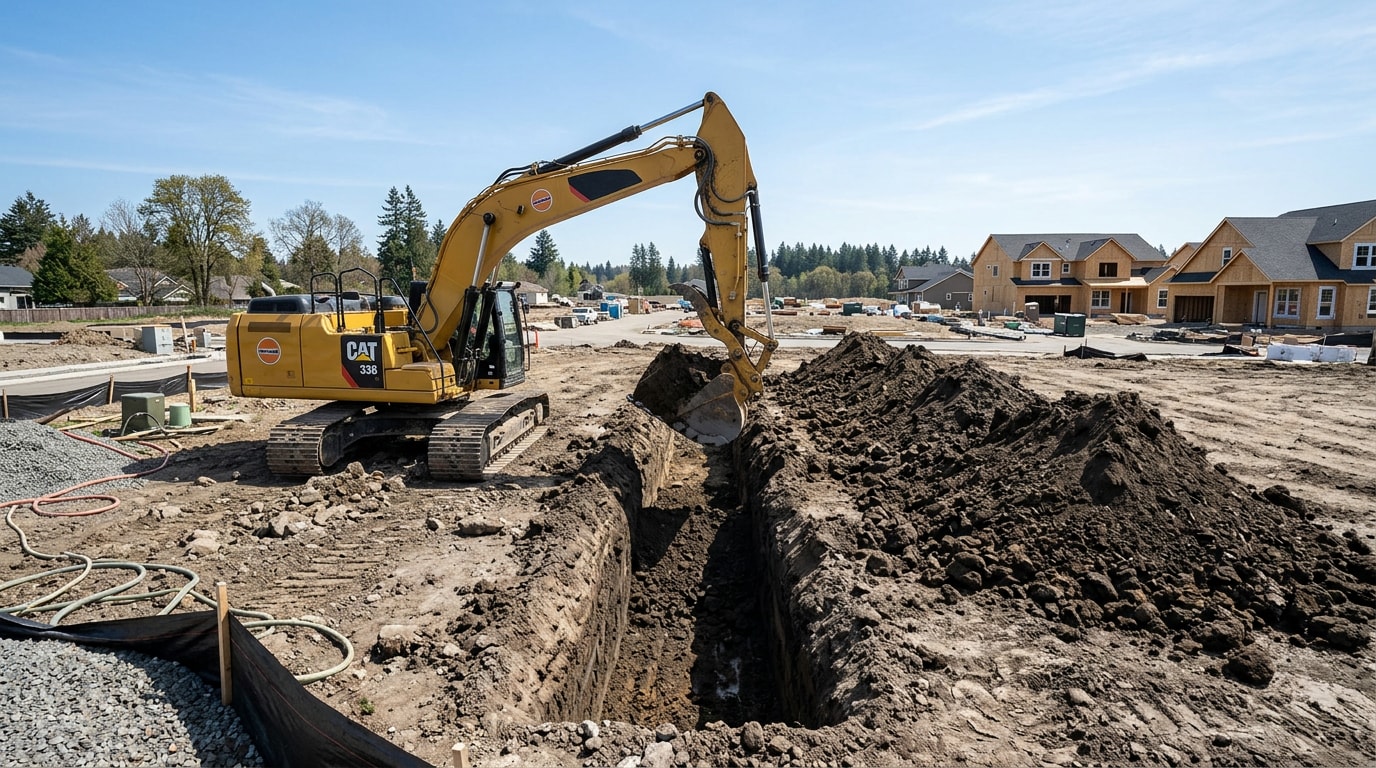
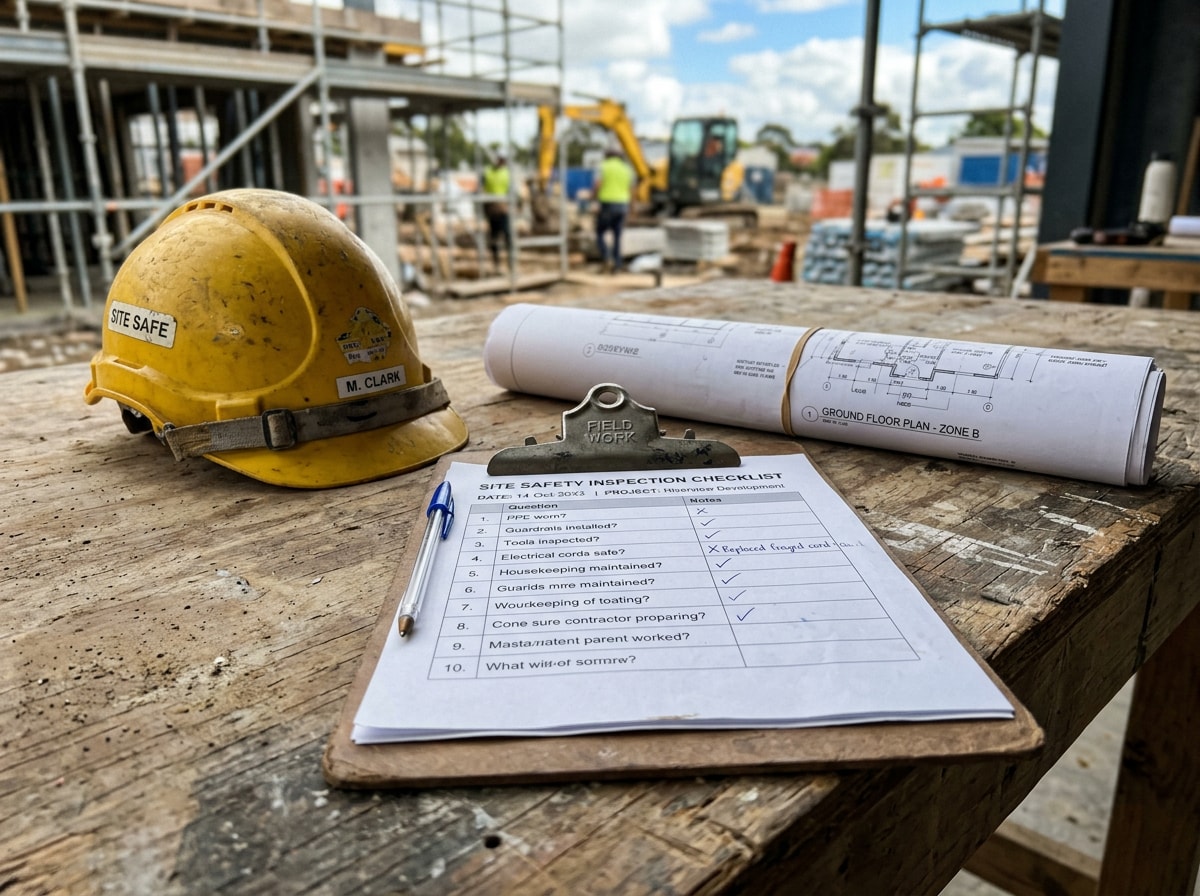
- Will utilities be located before any digging starts? This one rarely makes it onto standard checklists. A public utility locate (the call-before-you-dig line) covers city-owned lines, but it doesn't always cover the private sewer lateral or water service line running under your own yard. If a builder's crew skips a separate locate for those private lines before trenching for a foundation, deck footing, or addition, a shovel through an aging clay pipe can turn a simple dig into a slow leak nobody notices for months. We've been called out more than once to fix exactly that after another crew's excavation work. Ask directly whether sewer line locating and water line locating are part of the pre-dig plan, or whether that gets handed off to a dedicated excavation crew.
- What does your builder warranty cover, and for how long? Ask specifically what happens if something fails after the final walkthrough.
A written builder contract should spell out every answer above, along with payment schedule, materials, and permit responsibilities. Don't rely on verbal promises, even from a builder you like personally.
For a closer look at project types involving sewer, water, and site work, visit our contractor services page. If you want to understand what a solid agreement should include before you sign, the USA.gov directory of state consumer protection offices often links to guidance on required contract terms for home improvement work.
Common Mistakes to Avoid When Choosing a Builder
Choosing based on the lowest bid alone is one of the most expensive mistakes homeowners make. A rock-bottom price often means missing scope, lower-grade materials, or a builder cutting corners to stay competitive.
Skipping reference checks is another common misstep. A quick call to a past client takes a few minutes and can reveal whether a builder sticks to timelines and communicates honestly when problems come up.
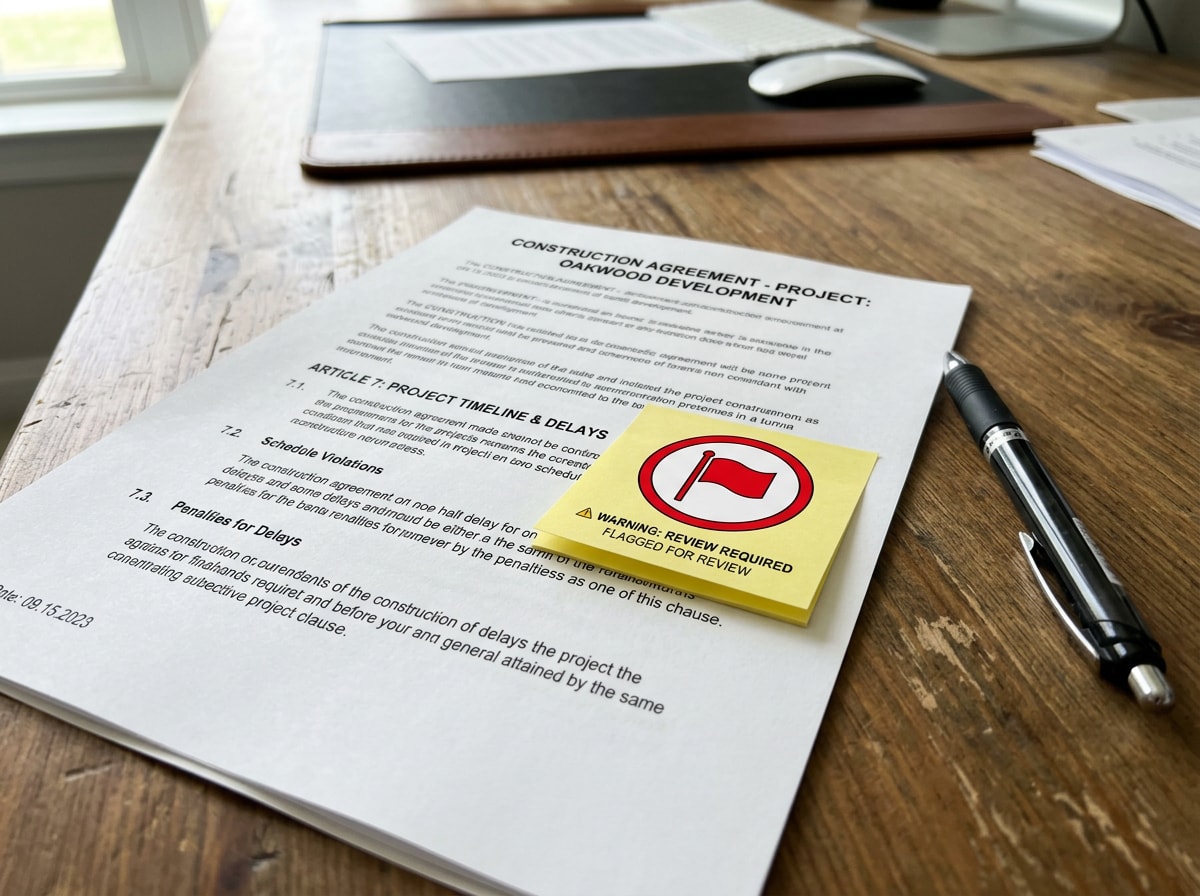
Never proceed without a written contract. Verbal agreements leave too much room for disputes once work is underway, especially around change orders and payment timing.
Watch for these red flags:
- Estimates that lack detail or line-item breakdowns
- Reluctance to provide proof of license or insurance
- Pressure to sign a contract immediately
- Requests for payment in full before work begins
The best builders welcome comparison shopping and won't rush you into a decision. For broader guidance on spotting contractor fraud, the Federal Trade Commission outlines common tactics to watch for before hiring anyone for home improvement work.
When Should You Call a Builder?
Not every home project needs a general builder. Smaller, single-trade jobs, like replacing a faucet or patching drywall, are usually better handled by a specialist tradesperson who focuses on that one skill.
A builder adds the most value once a project involves structural changes, an extension, or multiple trades working together, such as plumbing, electrical, and framing on the same renovation. See our breakdown of builder vs. contractor for the full distinction: a builder coordinates the whole project, while a tradesperson handles one piece of it.
If your home renovation project touches load-bearing walls, adds square footage, or needs permits covering several trades, it's time to bring in a builder rather than managing subcontractors yourself.
When Do You Need a Specialist Builder?
Some projects call for more than general experience. They need a specialist builder who has handled that exact type of work before. Structural work, like removing load-bearing walls or adding a second story, requires someone who understands engineering requirements, not just finish carpentry.
Heritage and period properties are another case. Older homes often hide outdated wiring, inconsistent framing, or materials that are no longer standard. A contractor familiar with older construction methods will catch issues a generalist might miss.
Ask any builder directly whether they've completed similar projects recently, and ask to see examples. A builder who's honest about what falls outside their specialty is often more trustworthy than one who claims they can handle anything.
Finding the Best Builders for Your Project
The right builder for your project balances price, quality, communication, and local experience. Rarely is that the cheapest or flashiest option on your list. Fit matters more than reputation alone.
Once you've worked through the research steps and questions above, narrow your options to two or three builders rather than picking the first one who returns your call. Compare their bids side by side, revisit how each one communicated during the quote process, and trust your sense of whether they listened to what you actually want.
Choosing the best builder isn't about finding a flawless track record. It's about finding a local builder whose experience, communication style, and pricing line up with your project's needs. Learn more about our crew's approach to site work on the homepage, and when you're ready to talk through a project, schedule a free inspection to start comparing real numbers instead of guesses.
FAQ
How Many Quotes Should You Get for Building Work?
Most experts recommend getting at least three quotes before choosing a builder. This gives you a realistic sense of typical pricing for your project and makes it easier to spot a bid that's unusually high, low, or missing scope compared to the others.
How Much Should You Pay a Builder Upfront?
A reasonable builder deposit usually falls between 10% and 30% of the total project cost, depending on project size and local norms. Be cautious of any upfront payment request that covers most or all of the job before work even begins.
What Insurance Should a Builder Have?
A builder should carry general liability coverage and workers' compensation insurance for their crew. Ask for a current certificate of insurance and confirm it's valid directly with the provider. The NAIC's consumer insurance search tool can help you look up a carrier's standing if something on the certificate seems off.
What's the Difference Between a Builder and a General Contractor?
In everyday use, the two terms overlap. A builder typically originates or manages new construction and larger renovations from start to finish, while a general contractor is often brought in to run a specific project, hiring and supervising subcontractors for each trade. On most residential jobs, the roles blend together, and the more useful question is what that person's license and experience actually cover.
How Much Experience Should a Builder Have?
Look for a builder who has completed multiple projects similar in scope to yours within the last two to three years, not just years in business overall. A builder with 20 years of experience in new-construction tract homes isn't automatically the right fit for a historic renovation or a structural addition.
How Do You Choose Between Two Builders?
When two builders both seem solid, compare their reputations, actual references, and how clearly each one communicates during the bidding process. If you're still unsure after that, reach out to our team with questions. A quick conversation often clarifies which builder is the better fit.