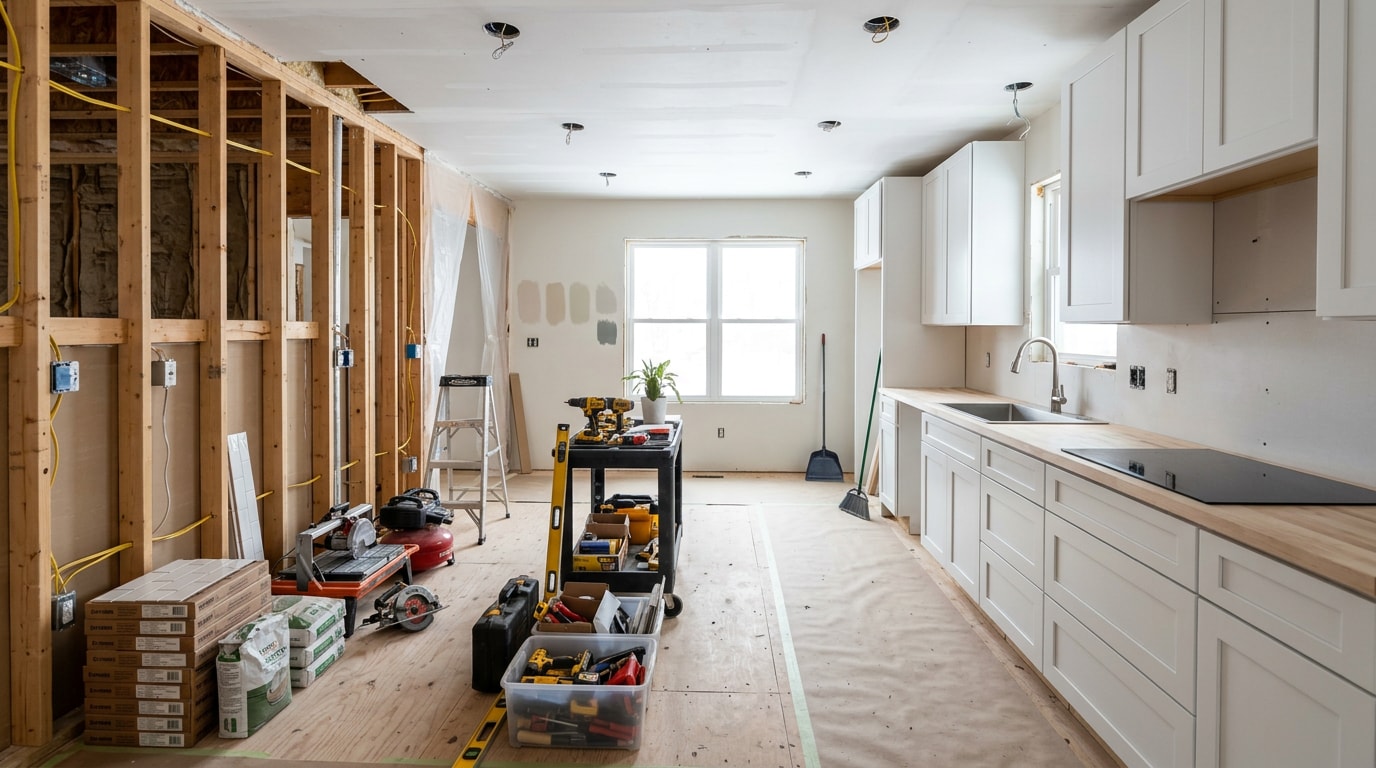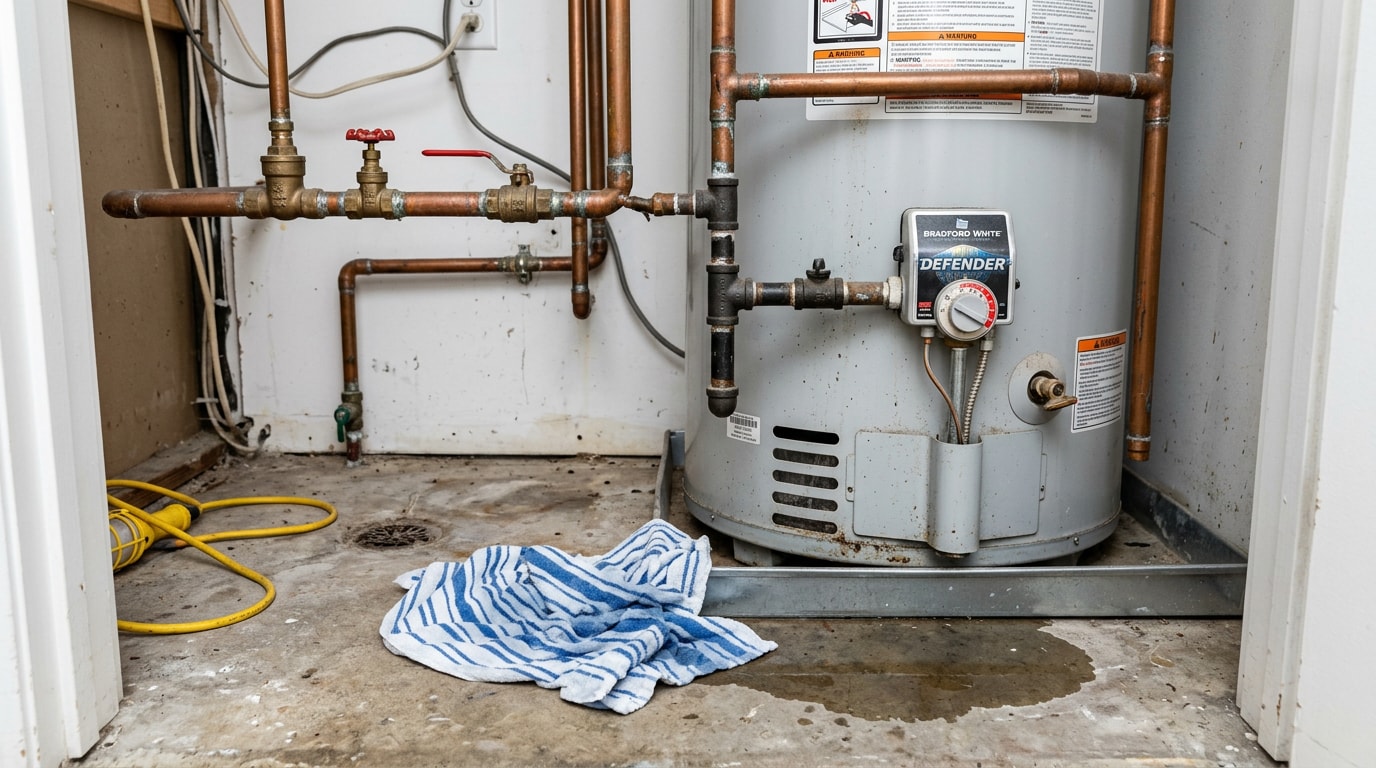
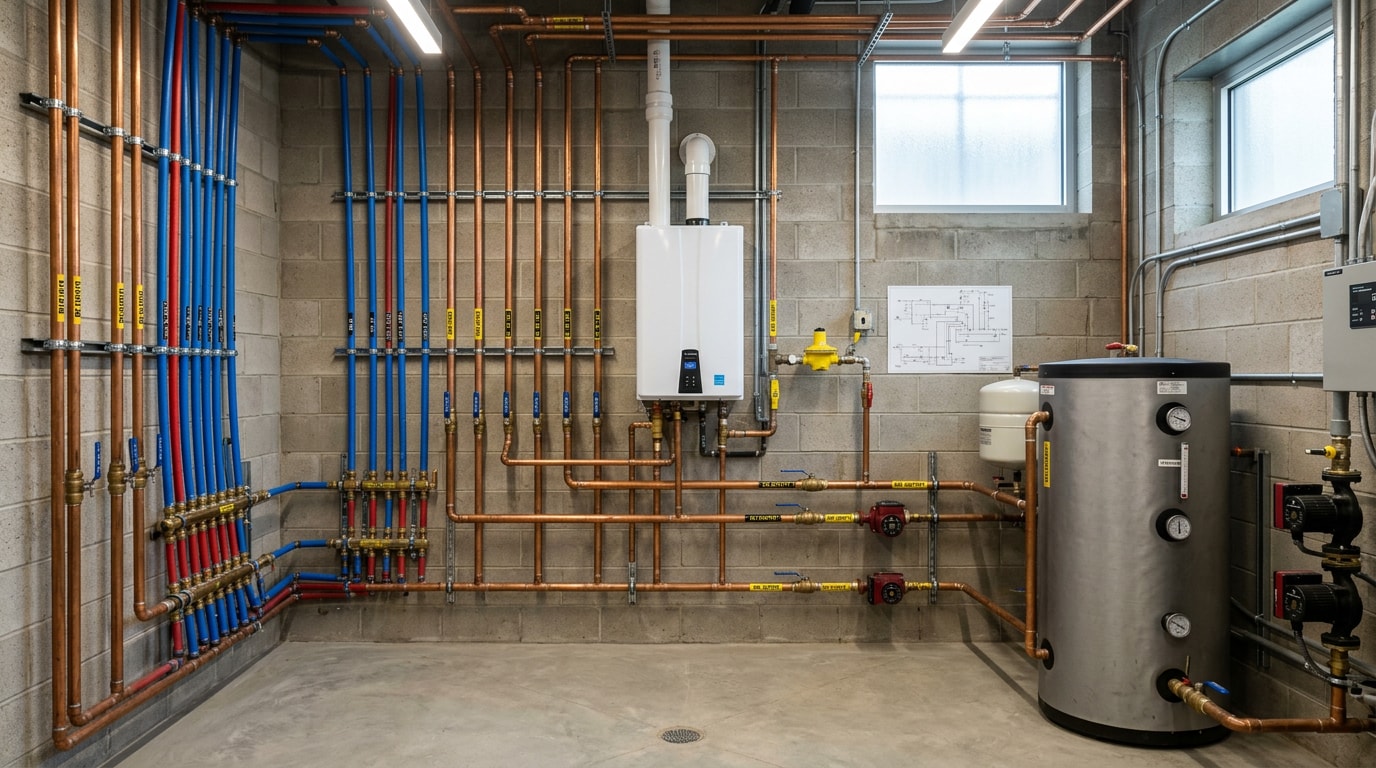
Commercial plumbing installation in Dover, OH involves more than running pipe. It means navigating Tuscarawas County permits, Ohio Plumbing Code inspections, and the infrastructure quirks of older downtown buildings versus newer commercial corridors. We've pulled permits and passed rough-in inspections on projects ranging from storefront retrofits to ground-up builds in this exact area, so we know where these jobs typically stall. Here's what the process actually looks like before you hire a contractor.
Why Hire a Local Dover, OH Commercial Plumbing Contractor
A Dover-based crew already knows the county's inspection process, typical permit turnaround, and the common surprises hiding behind walls in older buildings near downtown. That familiarity usually means fewer scheduling delays than you'd get with an out-of-town contractor learning the area on your dime.
Any contractor you consider should carry a valid state plumbing contractor license and proper insurance. This isn't optional paperwork.
To receive a permit to install plumbing, commercial plumbing installers must have an Ohio Contractor Industry Licensing Board (OCILB) state license, and proof of license is required to obtain the permit . If a contractor can't produce that license number on request, that's a red flag before you sign anything.
Want to talk through your project with a licensed local team? Get a free estimate and we'll walk you through scope, permitting, and timeline before you commit to anything.
What Commercial Plumbing Installation Covers
Commercial plumbing installation spans a wide range of work, from full system rough-ins in new construction to targeted upgrades inside buildings that already have tenants operating around the job.
Typical project types include:
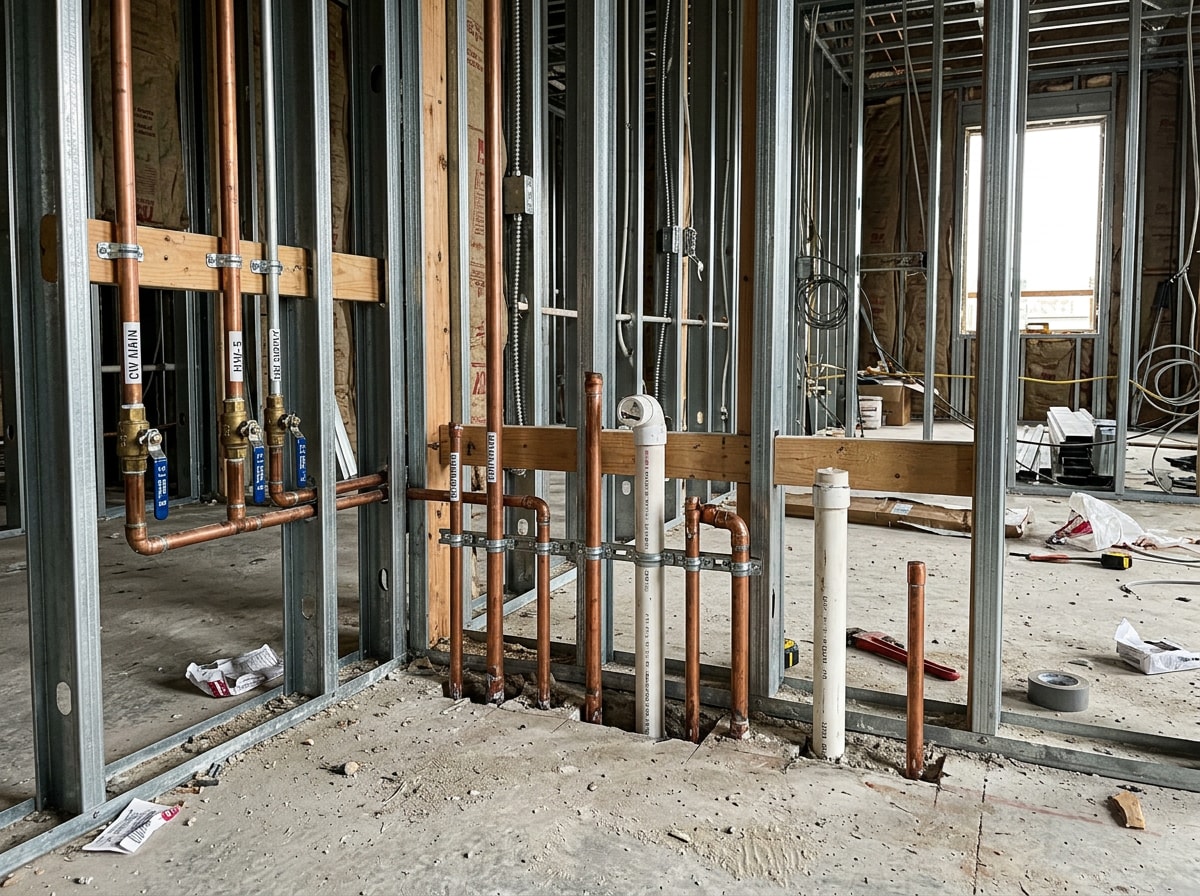
- New-construction rough-in – pipe installed before walls close, including supply, drain-waste-vent (DWV), and gas lines
- Tenant buildout retrofit – plumbing added or relocated inside an existing shell for a new business
- Commercial kitchen plumbing – grease interceptors, prep sink lines, dishwasher hookups
- Water heater and tankless system installation – sized for commercial-volume hot water demand
- Backflow prevention assembly installation – required on most commercial water services
Materials typically include copper, PEX, and PVC, chosen based on application, local amendments, and what the inspector will sign off on.
Timeline and Cost Factors
Every installation must pass local plumbing inspections before occupancy is approved. Rough-in and final inspections are conducted by certified inspectors, with rough-in inspection typically occurring after piping is installed but before walls are closed, and final inspection confirming fixture installation and code compliance . That inspection sequence, not just labor, is usually what sets your real timeline.
| Project Type | Typical Timeline | Cost Driver |
|---|---|---|
| Simple office/retail retrofit | Days to 1-2 weeks | Fixture count, existing access to lines |
| Standard tenant buildout | 2-4 weeks | Permit review, inspection scheduling |
| Restaurant/commercial kitchen buildout | Several weeks | Grease interceptor sizing, multiple fixture lines, gas line work |
| New-construction rough-in | Weeks to months | Overall building size, number of trades coordinating |
Get a site-specific quote rather than relying on a flat number. The variables above move cost more than any single line item.
Commercial Kitchens & Grease Trap Systems
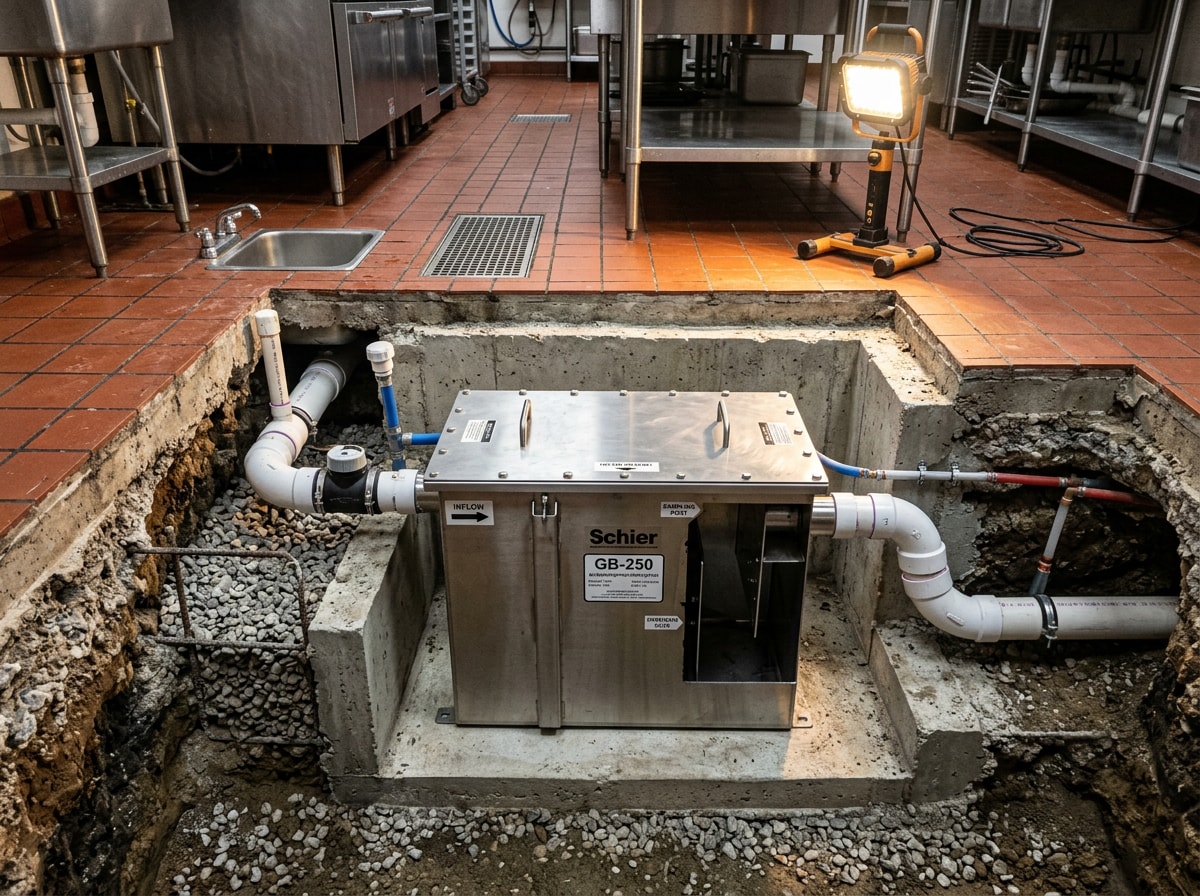
Grease trap installation is required for most food-service tenants to keep fats, oils, and grease (FOG) out of the municipal sewer system. This pairs with prep sink plumbing and dishwasher hookup work during a kitchen buildout.
The scale of the problem is bigger than most business owners assume. The annual production of collected grease trap waste and uncollected grease entering sewage treatment plants can range from 800 to 17,000 pounds per year, per restaurant . Undersized or poorly maintained interceptors are a common reason restaurants get hit with sewer backup claims after opening.
Ohio's code treats interceptor sizing as a technical requirement, not a suggestion, under the Ohio Plumbing Code chapters covering commercial plumbing systems administered through the Ohio Administrative Code . Review the Ohio Plumbing Code traps and interceptors chapter before finalizing your kitchen layout. Proper grease management protects sewer infrastructure citywide, not just your own compliance paperwork, a point the EPA's pretreatment guidance on FOG discharge makes clear.
Commercial Water Heater & Tankless Water Heater Installation
Commercial water heater installation has to account for higher-volume hot water demand than a typical home. Multiple-tank systems work for some buildings, while commercial tankless installation suits high-traffic restrooms or kitchens with steadier draw.
Efficiency matters here too. An ENERGY STAR commercial electric heat pump water heater is expected to save at least 10 MWh annually, with emissions savings equivalent to removing 1.5 cars from the road per year . Review ENERGY STAR's commercial water heater guidance before choosing between gas storage, tankless, or heat pump systems.
If you're weighing a full new-construction plumbing scope versus a smaller retrofit, our new construction plumbing contractors guide breaks down how those costs and timelines differ in more detail.
Water Lines, Drainage & Site Work Tied to Installation
A commercial plumbing installation rarely stops at the building's foundation wall. New construction and major retrofits often require coordinated work on the lines feeding and draining the property:
- Water service line installation for new taps or upsized service
- Trenchless pipe installation where open-cut digging isn't practical near existing structures
- Sewer line replacement when old clay or cast-iron lines can't support new fixture loads
- Excavation services for new utility trenches or foundation access
Skipping this coordination is one of the most common reasons buildouts blow past their original timeline. Plan it into the scope from day one, not as a change order later.
Maintenance After Installation
A quality installation sets the foundation, but plumbing maintenance keeps it running correctly for years. Backflow preventer testing, for example, is a routine compliance task that typically follows soon after installation and recurs annually in most Ohio jurisdictions.
Pairing ongoing upkeep with your original installation plan avoids surprises down the road. Our sewer line inspection and drain cleaning services are built to catch small issues before they become code violations or emergency calls.
Service Area: Dover & Tuscarawas County
We work throughout Dover, OH and neighboring New Philadelphia, OH, handling commercial plumbing installation for retail buildouts, restaurants, offices, and new-construction projects across Tuscarawas County. Browse our recent projects to see the scope of work we handle, or visit our homepage for our full service lineup.
Ready to scope your project? Request a free estimate and get a realistic timeline before you break ground.
FAQ
Do you offer plumbing services for commercial buildings in Dover, Ohio?
Yes. We install and replace plumbing systems for offices, restaurants, and retail buildouts in Dover, including grease trap systems, commercial hot water systems, backflow assemblies, and new-construction rough-in.
How much does commercial plumbing installation cost?
Cost depends on building size, fixture count, and whether grease interceptors or gas line work add complexity. A simple retrofit costs far less than a restaurant buildout with a full kitchen package. Get a site-specific quote rather than relying on a flat number.
How long does commercial plumbing installation take?
Small tenant projects can finish in days to a couple of weeks. Larger new-construction rough-ins often take several weeks, with inspection scheduling as the most common factor affecting the final timeline.
Do I need a permit for commercial plumbing installation in Ohio?
Generally, yes. New installations and major system changes require a plumbing permit and inspection in nearly every Ohio jurisdiction. Routine fixture swaps usually don't need one, but commercial work almost always does.
What's the difference between residential and commercial plumbing installation?
Commercial installation deals with higher fixture counts, higher-demand water heating, grease interceptors, backflow prevention, and stricter inspection sequencing tied to occupancy permits. Residential work rarely involves any of that.
Do you install grease traps and handle backflow testing?
Yes. Grease trap installation and sizing is standard on food-service buildouts, and backflow preventer testing is typically scheduled soon after installation and then annually to stay compliant.