Can I take a shower if my water heater is leaking in Akron, OH? In most cases, yes, but it depends entirely on where the leak starts and how much water is moving. Here's how to tell the difference between a drip you can shower through safely and a leak that means shutting off the water right now.
Quick Answer: Can You Shower With a Leaking Water Heater?
A small drip from a fitting, valve, or connection is usually fine to shower through until you can get a repair scheduled. A steady stream pooling on the floor is a different situation, and that calls for shutting the unit down and calling a plumber before anyone steps in the shower.
Every leak is unique. Its size, location, and your heater's overall condition all factor into whether it's truly safe, so when in doubt, treat the leak as serious until you've confirmed otherwise.
How to Tell Your Water Heater Is Actually Leaking
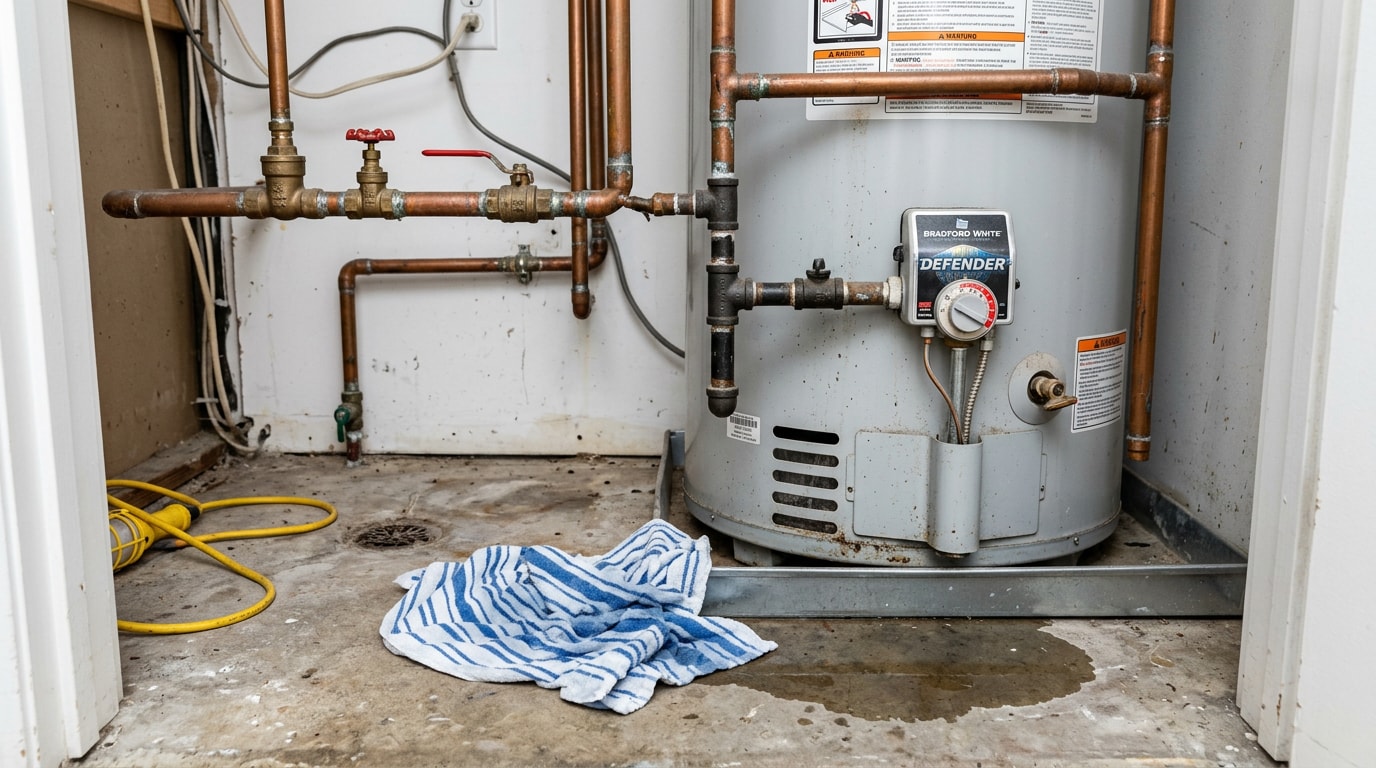
Before you decide whether to shower or shut everything down, confirm you're actually dealing with a water heater leak and not a nearby pipe or condensate line mimicking one. Watch for:
- Water pooling around the base of the unit
- A noticeable drop in the tank's water level
- Rusty or discolored water from the hot taps
- An unexplained spike in your water bill
- Sudden loss of hot water
- Visible rust or corrosion on the tank itself
These signs often show up gradually, so a slow drip can go unnoticed for weeks. If you're not sure the water heater is actually the source, a professional water line inspection can confirm it in minutes rather than letting you guess.
Where Is the Leak Coming From?
Where a leak starts matters more than whether one exists at all. Some leak points are low-stakes; others need attention right away.
| Leak Location | Typical Severity | Safe to Shower? |
|---|---|---|
| Drain valve | Usually minor | Often yes, monitor closely |
| T&P relief valve | Moderate to serious | Use caution, schedule a repair soon |
| Inlet/outlet connections | Varies, can worsen fast | Depends on volume, inspect first |
| Tank body (rust/crack) | Serious | No, shut down and call a plumber |
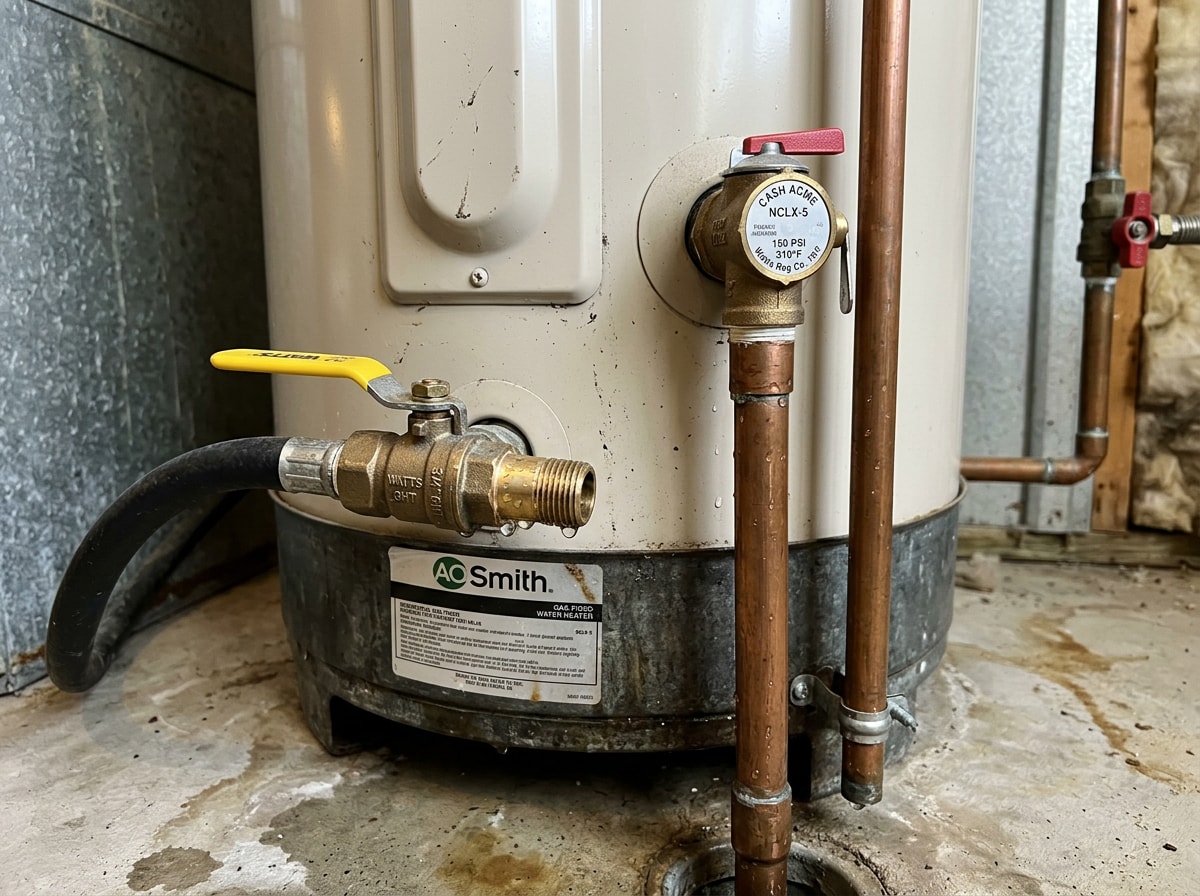
Drain Valve
The drain valve exists to empty the tank for maintenance and flushing. It can fail to close fully or develop a worn seal, which causes a persistent drip even when nobody has touched it.
Check that the valve is fully closed first. If it's closed and still weeping, the valve likely needs replacing rather than just tightening. A leaking drain valve rarely justifies skipping your shower outright, but it still deserves a repair appointment.
T&P Relief Valve
The temperature and pressure relief (T&P) valve is a safety device, not a drainage point, so a leak here deserves more caution than one from the drain valve. It usually drips because of a faulty valve, sediment buildup, or excess pressure inside the tank.
Because this valve exists specifically to prevent dangerous pressure buildup, a leaking one should never be tightened and ignored. Periodic water heater maintenance can significantly extend water heater life and minimize loss of efficiency over time , and that includes having the T&P valve checked instead of letting it weep indefinitely.
Can I Still Use Water Elsewhere in the House?
This is a slightly different question than whether you should shower. In most cases, you can still use water elsewhere in the home while a water heater leaks, since most leaks are minor and won't immediately affect the rest of your plumbing.
That said, running more hot water through a failing tank can speed up the damage. A slow drip from a valve is one thing; a crack in the tank itself is another. Identify why and where it's leaking first, then decide how much normal water use makes sense until a plumber takes a look.
The Real Risks of Showering Through a Leak
Three hazard categories come up again and again with leaking water heaters: electrical risk, slip-and-fall risk, and water damage risk. Which one applies to your situation determines the real answer to "can I take a shower if my water heater is leaking."
Electrical shock. Water and electricity do not mix, and a leak that reaches live components creates a genuine shock hazard, especially on electric units. Electrical equipment in bathrooms should stay dry, cords should only be plugged into working GFCI outlets, and anything that gets wet should be unplugged immediately . The same logic applies to a water heater leaking near its electrical connections.
Slips and falls. Puddles on a bathroom or utility room floor raise the odds of a fall, and a fall on wet tile can mean broken bones, especially for older adults.
Water damage. Running the shower adds extra volume and pressure through an already-compromised heater, which can turn a slow drip into a flooding situation faster than expected. If water has already reached drywall, flooring, or a finished basement, our water damage restoration services team handles the cleanup side once the leak itself is stopped.
What to Do the Moment You Notice a Leak
- Cut the power. Locate your circuit breaker and switch off the one feeding the water heater before doing anything else.
Don't touch electrical equipment if it's wet or if you're standing in water, and turn off the electricity to prevent shock if it's safe to do so .
- Shut off the water supply. Turn the cold water inlet valve clockwise to stop feeding the leak.
- Drain the tank. Attach a garden hose to the drain valve and run it to a floor drain or outside to relieve pressure.
- Confirm the source. If you suspect the leak is actually coming from a supply line rather than the tank, a water line repair visit can pinpoint it before you spend money replacing a heater that isn't the real problem.
DIY Repair or Call a Plumber?
Some leaks are genuinely fixable without a professional. Others simply aren't worth the risk.
Do:
- Use plumber's tape on loose fittings or connections
- Tighten a drain valve packing nut if the valve itself looks intact
- Replace a T&P valve yourself only if you're confident shutting off power and water first and installing the exact-match replacement part
Don't:
- Attempt to weld, solder, or patch a cracked tank
- Ignore a leak near electrical wiring to "see if it stops"
- Delay calling a professional if the leak keeps growing
In our service calls across Akron and Summit County, the most common failure point we find is a loose drain valve or worn T&P valve, not a cracked tank. That's good news: it means most leaks are a same-day fix once a technician confirms what's actually failing. If you'd rather skip the guesswork, request a free estimate and we'll diagnose it on site.
No Shower? Try These Alternatives
If you've decided the leak isn't worth the risk, you don't have to go without getting clean while you wait for repairs.
Sponge baths. Wet a washcloth with warm water and a little mild soap, then clean up without touching the shower at all.
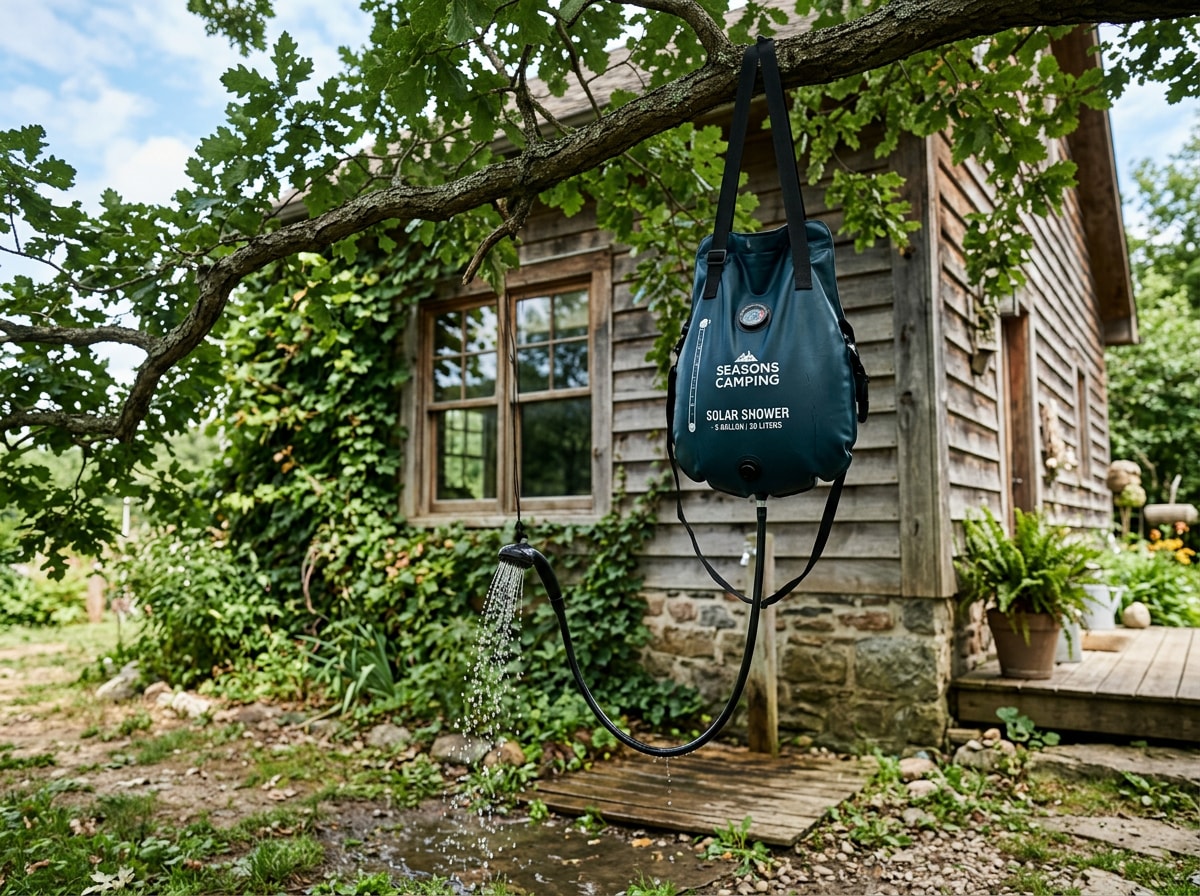
Portable camp showers. A camp shower can bridge the gap for a day or two while a plumber sorts out the real fix.
If your household is mid-renovation or you're planning a new bathroom layout anyway, it's worth reviewing our bathroom plumbing rough-in guide so the water heater connections are placed correctly the next time around.
Conclusion
Prioritize safety over convenience. Monitor a minor leak, minimize water use, and get a professional to look at it. If the leak is serious or anywhere near electrical components, skip the shower and shut off power and water first.
The Trenchless serves homeowners throughout Akron, OH with fast leak diagnosis so you're not guessing whether it's safe to run water. At the first sign of a leak, cut power and water, then contact us for a same-day assessment.
FAQ
Can I take a shower if my water heater is leaking?
In most cases, yes, if the leak is minor and away from electrical components, you can shower before scheduling a repair. If the leak is severe, pooling heavily, or near wiring, skip the shower and shut off power and water first.
Is a leaking water heater dangerous?
Yes. The main risks are electrical shock near wiring, slips and falls on wet floors, and water damage if the leak worsens or floods the area.
How do I know if my water heater is actually leaking?
Look for pooling water at the base, a drop in tank water level, discolored hot water, a sudden water bill spike, or visible rust on the tank. Confirm the water heater is the source before ruling out a nearby pipe.
Should I turn off my water heater if it's leaking?
Yes. Cut power at the breaker and shut off the cold water supply valve as soon as you spot a leak, then drain the tank through the drain valve to relieve pressure before a technician arrives.
What should I do immediately if my water heater is leaking?
Shut off the water supply and power to the unit to prevent further water damage and electrical hazards. Then call a professional plumber for an assessment before using the heater again.
Is a leaking water heater an emergency?
It depends on the source. A drain valve drip can usually wait for a scheduled visit, but a cracked tank, a leaking T&P valve, or any leak near wiring should be treated as same-day urgent.