Project management contractors protect your budget and schedule on a build the way a GC protects the physical construction. The two roles get confused constantly, and hiring the wrong one for your situation is an expensive mistake to fix mid-project. Here's what the role actually covers, what it costs, and how to tell if your project needs one.
What Is a Project Manager and What Do They Do?
A project management contractor is hired by the property owner to oversee budget, schedule, and coordination across an entire project, not just the physical construction phase. Think of this person as your owner's representative, someone whose job is to protect your interests rather than execute the build itself.
So what does a project manager do day to day? The role typically includes:
- Tracking budget against actual spend and flagging overruns early
- Building and adjusting the master schedule as conditions change
- Coordinating communication between architects, engineers, and contractors
- Monitoring risks before they turn into costly delays
A good construction project manager sits above the trades, watching the whole picture instead of any single task. On a multi-phase drainage or water infrastructure project, that oversight role looks a lot like what our crews already coordinate in-house: you can see examples of completed work on our projects page.
Project Manager vs. General Contractor
Searchers often land here trying to figure out where a project manager's authority ends and a general contractor's begins. The short version: a PM manages the process and protects the owner's budget and timeline, while a GC physically builds the project and manages subcontractors on site.
Key Differences
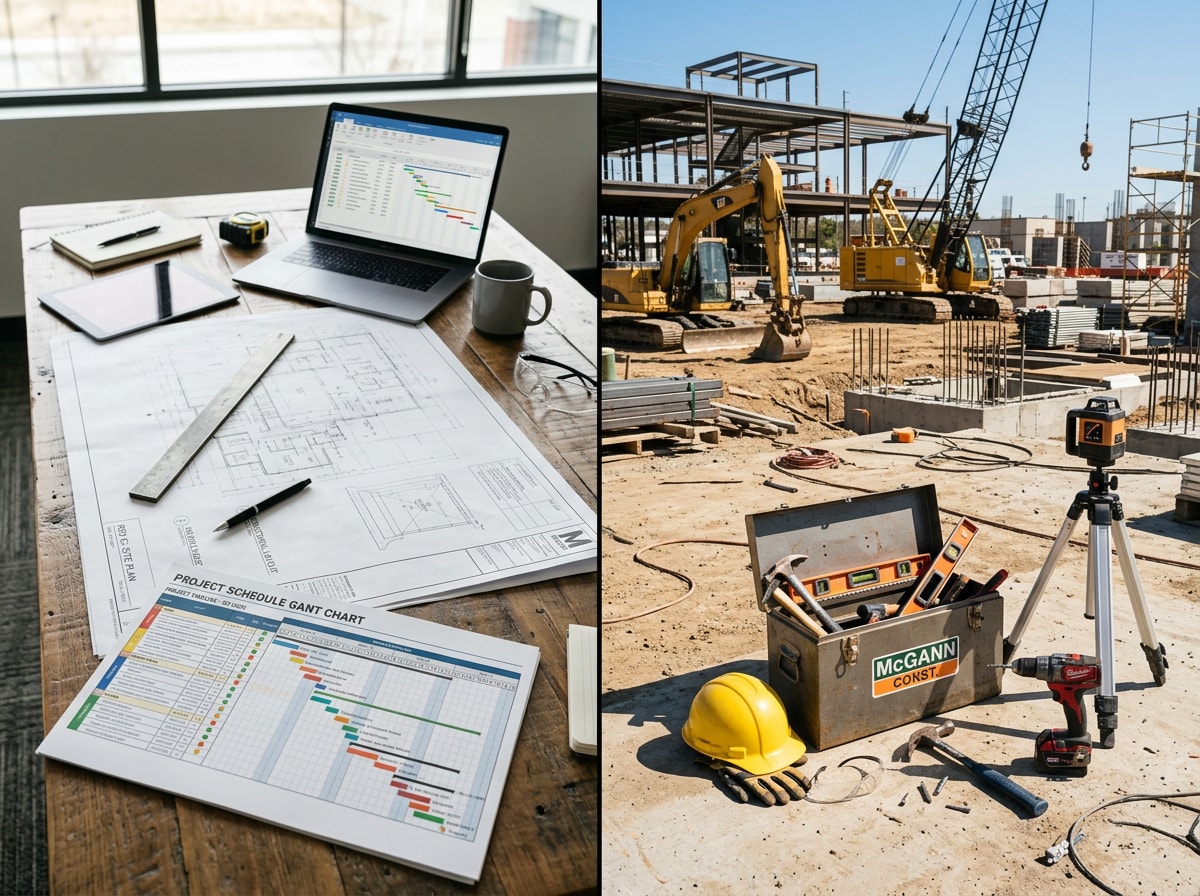
The difference between a construction project manager and a general contractor comes down to authority, phase involvement, and licensing. Project managers oversee the entire build from planning through completion and typically work on the owner's behalf, while general contractors focus on day-to-day construction execution once permits and bids are finalized.
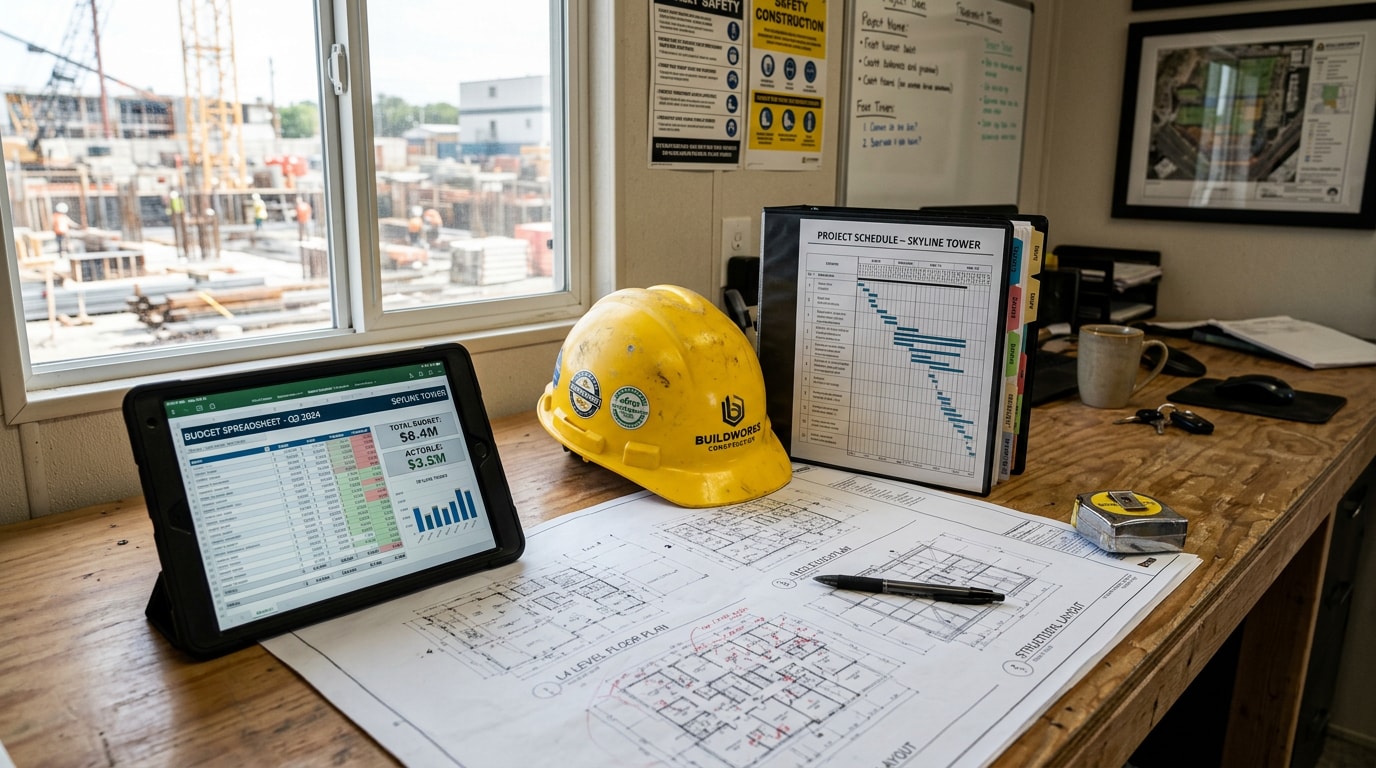
A PM is usually involved from the earliest planning conversations (site selection, budgeting, design coordination) through closeout. A GC's involvement, by contrast, generally starts once a design is set and bidding wraps up. PMs often work from an office or jobsite trailer reviewing numbers and schedules. GCs are on-site daily, directing crews and managing logistics.
If you're trying to decide whether your project needs a dedicated PM, a GC with strong internal project management, or a design-build outfit, our Project Builders guide breaks down that comparison in more detail.
Responsibilities
A project management contractor's responsibilities center on protecting the owner's interests throughout the job. That includes vetting contractors, reviewing contracts, and holding everyone accountable to the agreed schedule.
One of the more valuable tasks a PM handles is bid review: requesting proposals from multiple general contractors, comparing scope and pricing line by line, and flagging red flags before a contract is signed. GC responsibilities, meanwhile, stay focused on execution: scheduling subcontractors, ordering materials, managing site safety, and solving problems as they come up during the build itself.
Qualifications
General contractors typically need a state-issued license tied to the scope of work they perform, while project managers often operate in an advisory capacity that doesn't require the same credential. This distinction exists because licensing laws generally regulate who can physically perform or contract construction work, a legal responsibility a GC carries directly.
A PM, by contrast, advises and oversees rather than executing the work under contract, so most states don't require the same license for that role. Licensing rules vary significantly by state and project type, so confirm local requirements before assuming either way. You can check multi-state licensing standards through the National Association of State Contractors Licensing Agencies, which maintains accredited exam and reciprocity information contractors can use when verifying credentials.
Why Hire a Construction Project Manager?
Owners often ask whether a project management contractor is worth the added cost on top of a GC's fee. For straightforward, single-phase jobs, maybe not. But for anything complex, time-sensitive, or budget-tight, the case for hiring one gets strong fast.
The core benefits of a construction project manager come down to organization and accountability. A PM builds detailed schedules, tracks progress against milestones, and keeps lines of communication open between everyone involved. That structure translates directly into cost control and risk management: problems get caught while they're still cheap to fix.
In our own work coordinating sewer and water line replacements across Wayne and Stark County, we've seen a single uncoordinated utility locate turn into a two-week delay and a change order that could have been avoided with earlier design review. A PM who catches that kind of mismatch during planning resolves it with a documented plan change, not an on-site scramble.
Employment data backs the broader trend toward formal project oversight. The Bureau of Labor Statistics projects employment of construction managers to grow 9 percent from 2025 to 2035, much faster than the average for all occupations , with about 49,700 openings for construction managers projected each year, on average, over the decade . That growth reflects how much more owners are leaning on dedicated project oversight, even on jobs that used to run on a GC's schedule alone.
When Should You Hire a Construction Project Manager?
Timing matters more than most owners expect. Complex, multi-phase projects, tight deadlines, and tight budgets are all signals that hiring a PM earlier rather than later will pay off. Waiting until problems surface usually means paying more to fix them than it would have cost to prevent them.
Early in the Planning Phase
The best time to hire a project manager is the moment you decide to move forward with a project. A PM engaged during the planning phase can help with site selection, realistic budgeting, and building a workable construction timeline from the start, setting the whole project up on solid footing instead of reacting to problems later.
Before Major Design Decisions
Bringing a PM in before major design decisions lock in gives them a chance to coordinate directly with architects and engineers. That coordination helps align plans with both budget and goals, which can prevent the kind of costly redesigns that happen when design and budget drift apart unnoticed.
Before Bidding and Permitting
Engaging a project manager before bidding and permitting ensures bids actually get compared on equal footing, permits move through the system on schedule, and local regulatory compliance doesn't get missed in the rush to break ground. Bid evaluation done carelessly is one of the most common places owners overpay without realizing it.
Permitting timelines and local code requirements vary by jurisdiction. If you're working on a project near Akron, Ohio, check our Akron, OH service area page for area-specific guidance before finalizing your schedule.
How Much Does It Cost to Hire a Construction Project Manager?
Project manager cost typically runs 5% to 15% of total project cost, though fee structures vary enough that a flat percentage doesn't tell the whole story. Three models dominate the market: a percentage of total project cost, a fixed monthly retainer, or an hourly rate, and the right fit depends heavily on project size and duration.
Cost drivers include square footage, construction scope, the level of finish-out specified, and how aggressive the schedule is. A fast-tracked, high-end office build-out costs more to manage than a straightforward warehouse retrofit of similar size, simply because there's more coordination involved.
Here's how the main fee models stack up against each other:
| Fee Model | Typical Range | Best Fit |
|---|---|---|
| Percentage of project cost | 5%–15% of total budget | Mid-to-large projects with a defined scope |
| Flat monthly fee | $5,000–$15,000+/month | Longer timelines with evolving scope |
| Hourly rate | $75–$175/hour | Smaller or advisory-only engagements |
| Cost per square foot | $1–$5/sq ft | Office build-outs and commercial fit-outs |
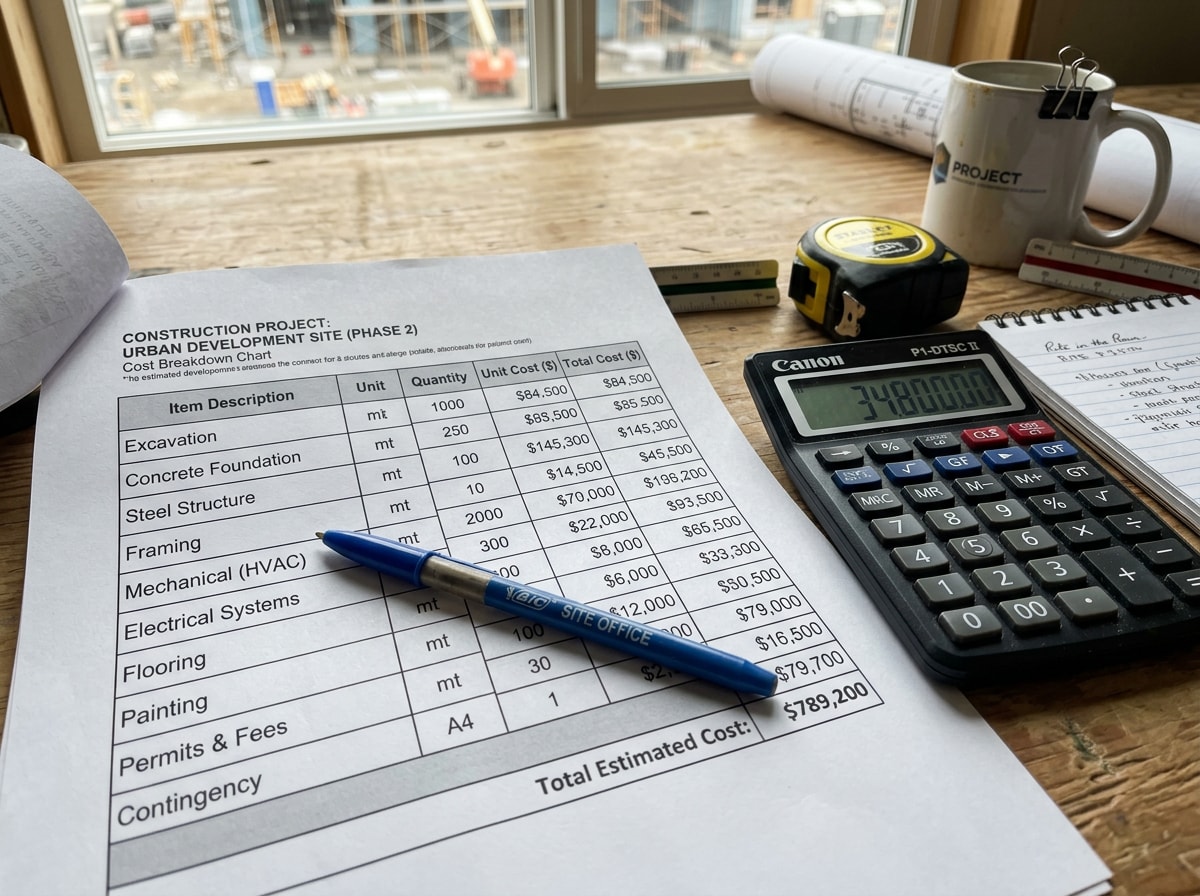
These ranges shift with market conditions, region, and project complexity, so treat them as a starting reference rather than a fixed quote. It's also worth noting that a PM's fee usually sits on top of the general contractor's fee, not instead of it. The two roles are typically compensated separately because they're solving different problems on the project.
How to Find the Right Project Manager
Most markets have no shortage of project managers to choose from, but specialties and track records vary enough that picking carefully really matters. A PM experienced in retail build-outs isn't necessarily the right fit for a ground-up medical facility, even if both fall under "commercial construction."
What Was the Outcome of Their Last Project?
Ask directly about a candidate's most recent projects and what drove their success, or what went wrong. A PM who can speak honestly about past project outcomes, including lessons learned from a recent setback, usually demonstrates more real-world judgment than one who only offers polished references and glossy case studies.
What Certifications or Qualifications Does My Project Manager Have?
Credentials worth asking about include LEED Certification, Project Management Professional (PMP) Certification, American Institute of Construction Certification (AIC), and the U.S. Army Corps of Engineers Construction Quality Management for Contractors credential. None of these guarantee a good fit on their own, but they signal a baseline of formal training beyond on-the-job experience.
The PMP credential, for example, requires verified project leadership experience; according to PMI, the certification demonstrates the ability to lead projects in any industry and acknowledges candidates skilled at managing the people, processes and business priorities of professional projects . You can review current eligibility paths on the Project Management Institute's PMP certification page.
The Hiring Process: Step-by-Step
Knowing what to look for only helps once you know where to look and how to screen candidates. A straightforward process keeps the search from dragging on for months.
Choosing Hiring Channels
Online job boards like Indeed, LinkedIn, and Glassdoor allow detailed postings and attract a wide pool of applicants, though that often means sifting through resumes that aren't a true fit. Specialized construction job sites such as ConstructionJobs.com or iHireConstruction.com narrow the field to professionals already working in the industry, which can save time on early screening.
If you'd rather skip the search entirely, reach out for a free estimate and let an established team scope the project for you. Our full-service approach, outlined on our homepage, covers drainage, water line, and site restoration work with project oversight built into the quote, not billed as a separate line item.
Screening Candidates
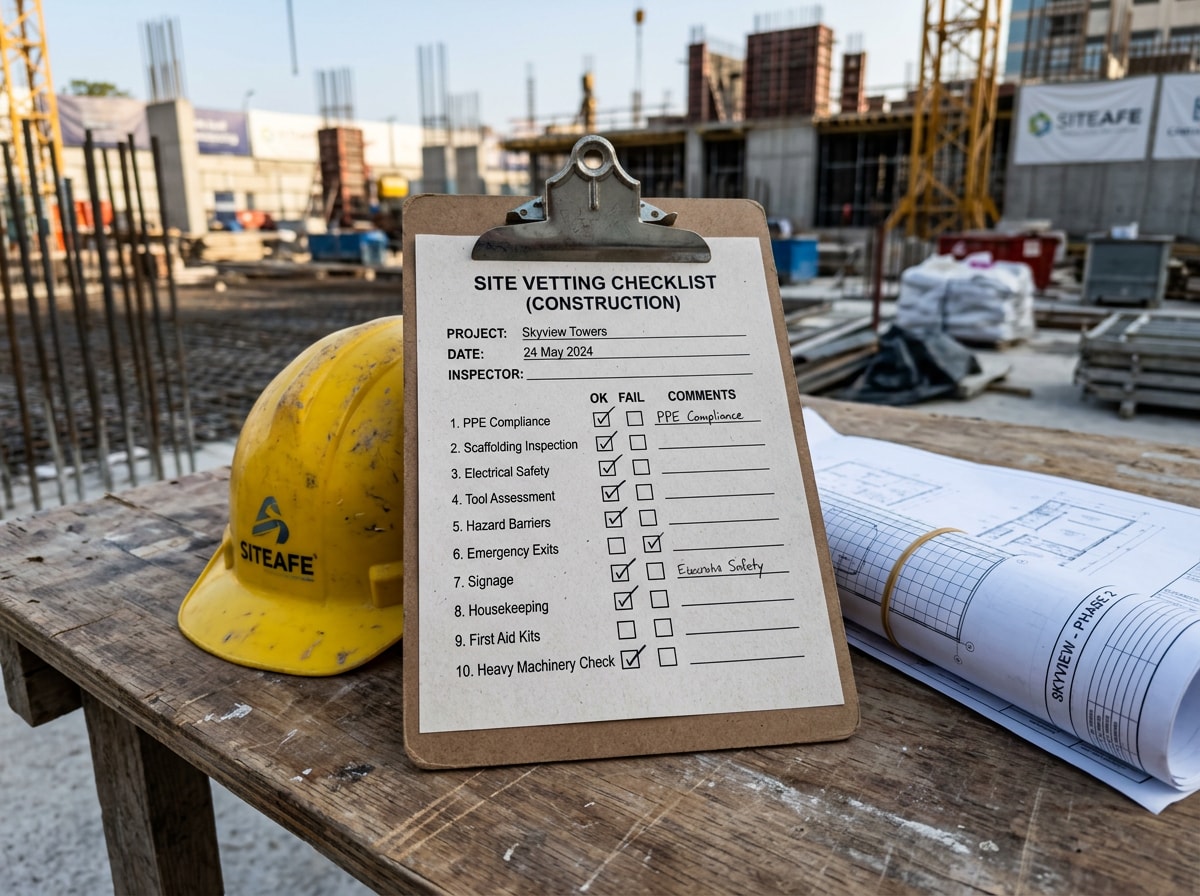
A basic vetting checklist should cover reference checks, a review of comparable past projects, and a clear conversation about scope fit before any contract gets signed. Skipping this step is one of the most common reasons owners end up unhappy with a hire three months into a project.
FAQ
What Is a Construction Project Manager?
A construction project manager prepares, coordinates, and oversees a construction project, making sure it stays on schedule and within budget from early planning through on-site coordination. They act as the connective tissue between owners, designers, and the construction team.
Should I Hire a General Contractor or a Dedicated Project Manager?
This depends on the size and complexity of the job. General contractors often handle both construction and basic project management on smaller projects, while larger or more complex builds generally benefit from a dedicated project manager working alongside the GC.
Do I Need a Project Manager If I Already Have a General Contractor?
Yes, in many cases, the two roles aren't redundant. A PM acts as the owner's advocate, reviewing the GC's work and protecting budget and schedule, which matters even more on larger or higher-stakes projects where oversight gaps get expensive fast.
What Certifications Should a Project Management Contractor Have?
Look for credentials like PMP or CCM as a baseline signal of formal training. See the certifications section above for a fuller breakdown of what each credential actually covers.
How Much Does a Project Management Contractor Cost?
Most charge 5% to 15% of total project cost, a flat monthly retainer of $5,000 to $15,000+, or an hourly rate of $75 to $175. The right model depends on project size, timeline, and how much oversight the job actually needs.
Can a General Contractor Also Act as the Project Manager?
On smaller, single-phase jobs, yes. Many GCs handle basic scheduling and budget tracking themselves. Once a project spans multiple phases, trades, or stakeholders, a dedicated PM working alongside the GC typically catches problems the GC's on-site focus would miss.