Whole house remodel contractors handle a different kind of project than a single-room update: new finishes throughout, updated layouts, and often a full rebuild of the systems hiding behind the walls. If several rooms need work at once, the layout no longer fits how you live, or the wiring and plumbing are aging out, a full renovation is probably already on your mind. Here's what it actually costs, how the process unfolds, and how to vet the contractor you hand it to.
What a Whole House Remodel Is, and Who It Is For
A whole house remodel touches most or all of a home at once, instead of updating a single kitchen or bathroom in isolation. It usually involves new finishes throughout, updated layouts, and often replacement of aging mechanical systems behind the walls.
Three Levels of Full House Remodeling
Most whole house remodels fall into three categories: a cosmetic remodel, a mid-range remodel, and a full gut renovation.
- Cosmetic remodel — updates paint, flooring, and fixtures without touching layout or systems.
- Mid-range remodel — adds new kitchens and baths with some structural change.
- Gut renovation — strips the home to the studs and rebuilds layout, systems, and finishes together.
Picking a tier affects more than your budget. A cosmetic refresh might let you stay in the home with minimal interruption, while a gut renovation can mean weeks without a working kitchen or bathroom. Weigh daily-life disruption as heavily as price, since the next section breaks down what each tier typically runs.
What a Whole House Remodel Costs
Whole house remodel cost varies enormously based on scope level, home size, and regional labor rates. Rather than quote a single number, it's more useful to understand what pushes a budget up or down.
Three factors drive most of the variation: finish level, the extent of structural changes, and whether plumbing, electrical, and HVAC are being replaced. Builder-grade finishes and an unchanged floor plan sit at the low end; custom finishes, wall removal, and full systems replacement sit at the high end.
Per square foot, that works out to roughly $15-$60 for cosmetic updates, $60-$150 for a mid-range renovation, and $150 or more for a gut remodel that replaces systems.
| Scope Level | Typical Cost Per Sq. Ft. (2026) | What's Included |
|---|---|---|
| Cosmetic remodel | $15–$60 | Paint, flooring, fixtures, no layout changes |
| Mid-range remodel | $60–$150 | New kitchen/baths, some structural work |
| Gut renovation | $150–$300+ | Full systems replacement, new layout, structural changes |
These figures are general planning benchmarks, not a quote. Actual numbers depend heavily on your home's condition, local labor costs, and material choices. Part of why remodeling demand keeps climbing is the age of the national housing stock itself: with a median age of 44 years in 2023, the housing stock is older than ever, and critical improvements are needed to replace aging components , which tracks with what we see in older Wooster-area homes built well before current code.
How a Whole House Remodel Works, Step by Step
Before interviewing contractors, it helps to know the general order a whole house remodel follows. Most projects move through the same broad phases, even though timelines and sequencing vary by scope and by the condition of the existing home.
The whole house remodel process generally runs through seven phases:
- Design and planning — sets the layout, material selections, and budget before any work begins.
- Permitting — most jurisdictions require approval for structural, electrical, and plumbing changes.
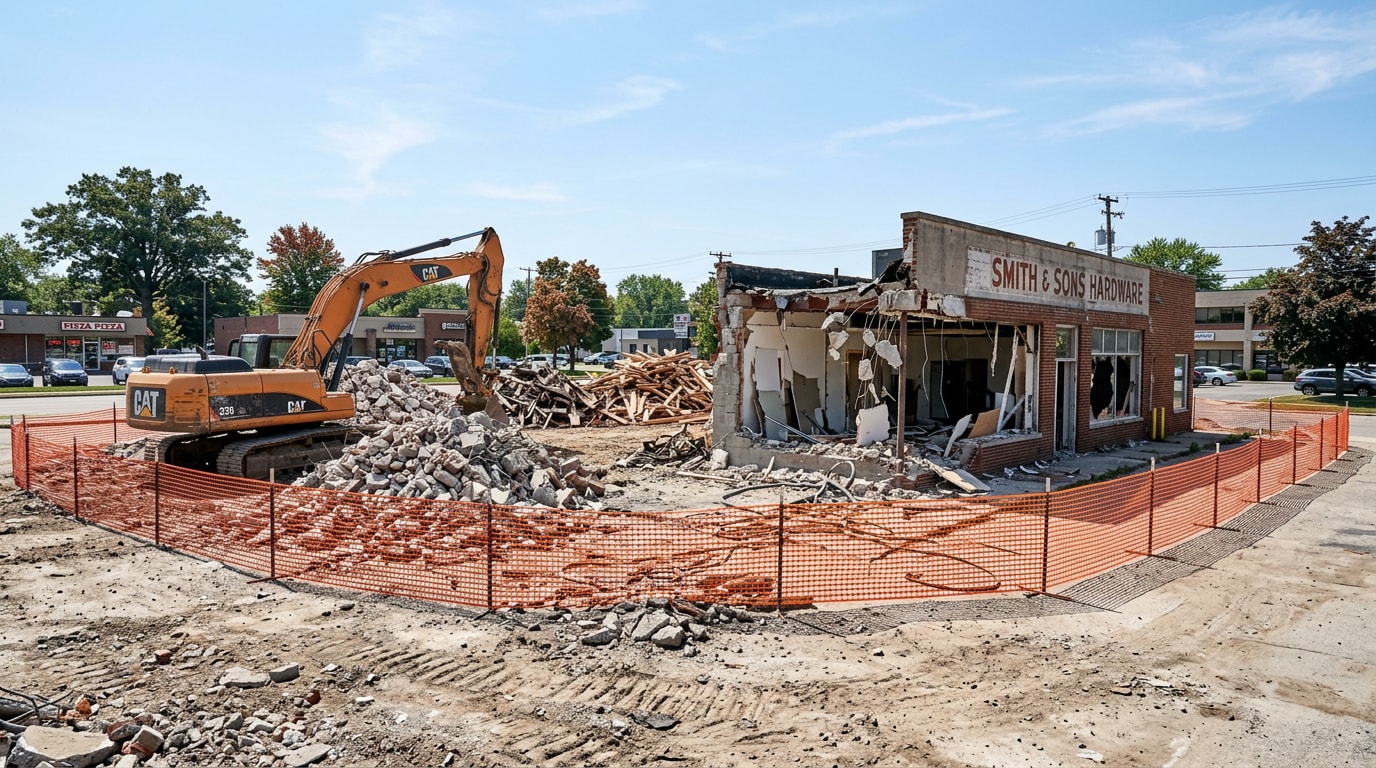
- Demolition — clears out old finishes and sometimes structural elements to expose what's underneath.
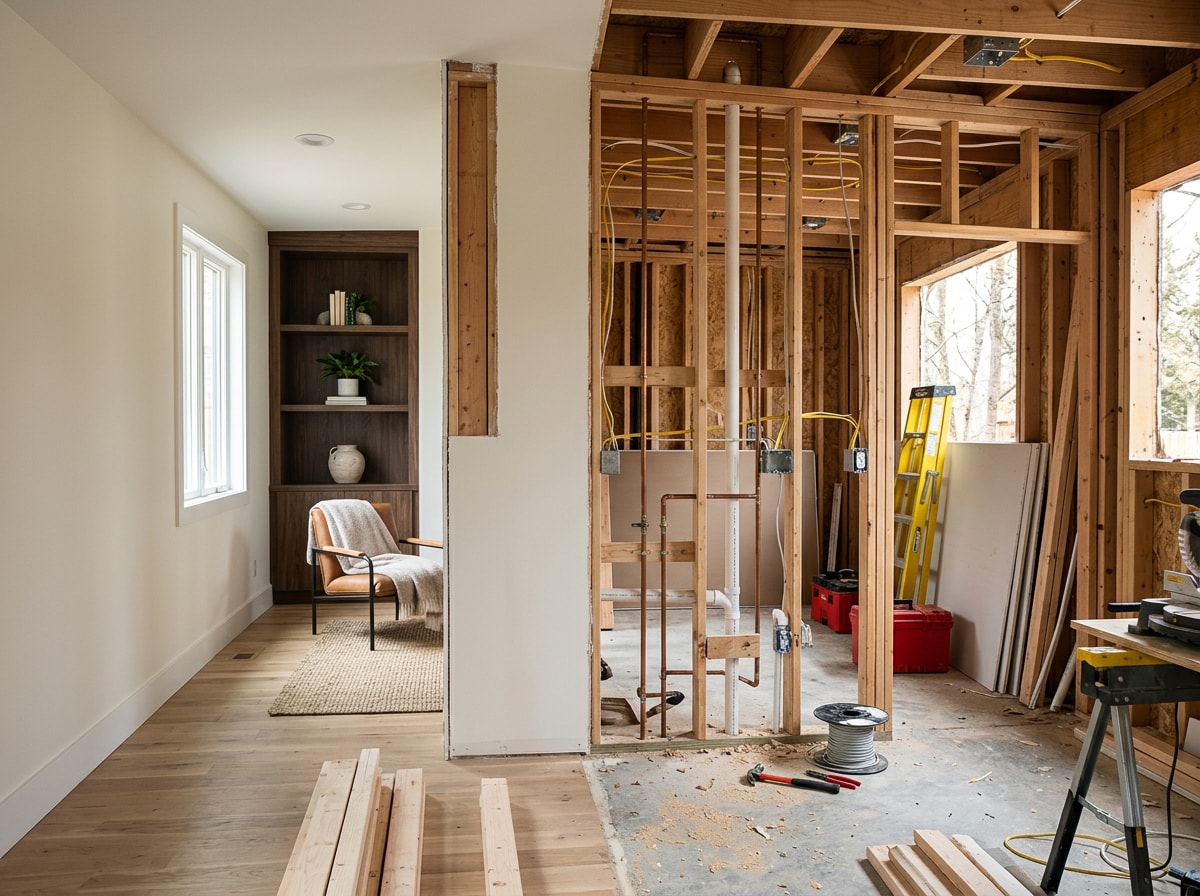
- Rough-in — framing, wiring, ductwork, and plumbing get installed or replaced.
- Inspections — code officials sign off before walls and floors get closed back up.
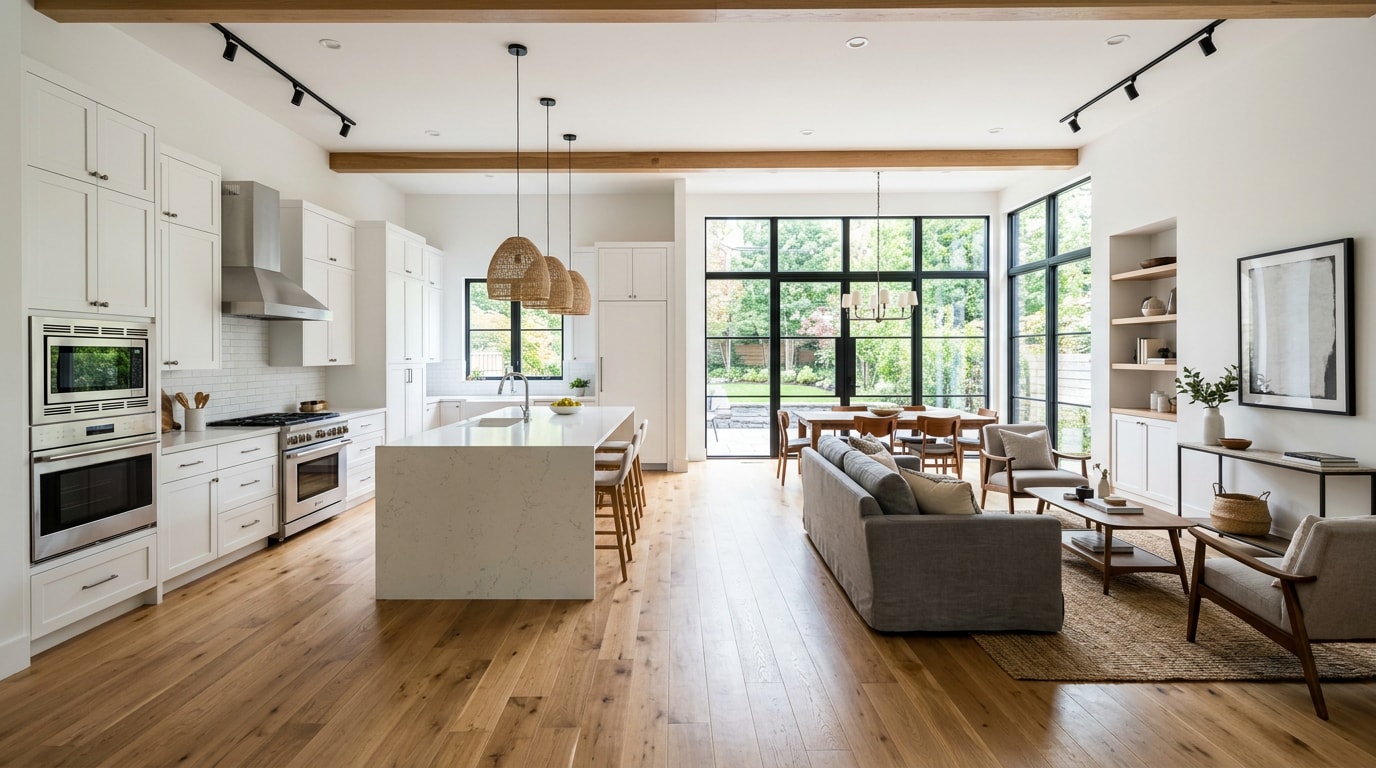
- Finishes — flooring, cabinetry, and paint go in.
- Final walkthrough — you and the contractor confirm everything meets the agreed scope before closeout.
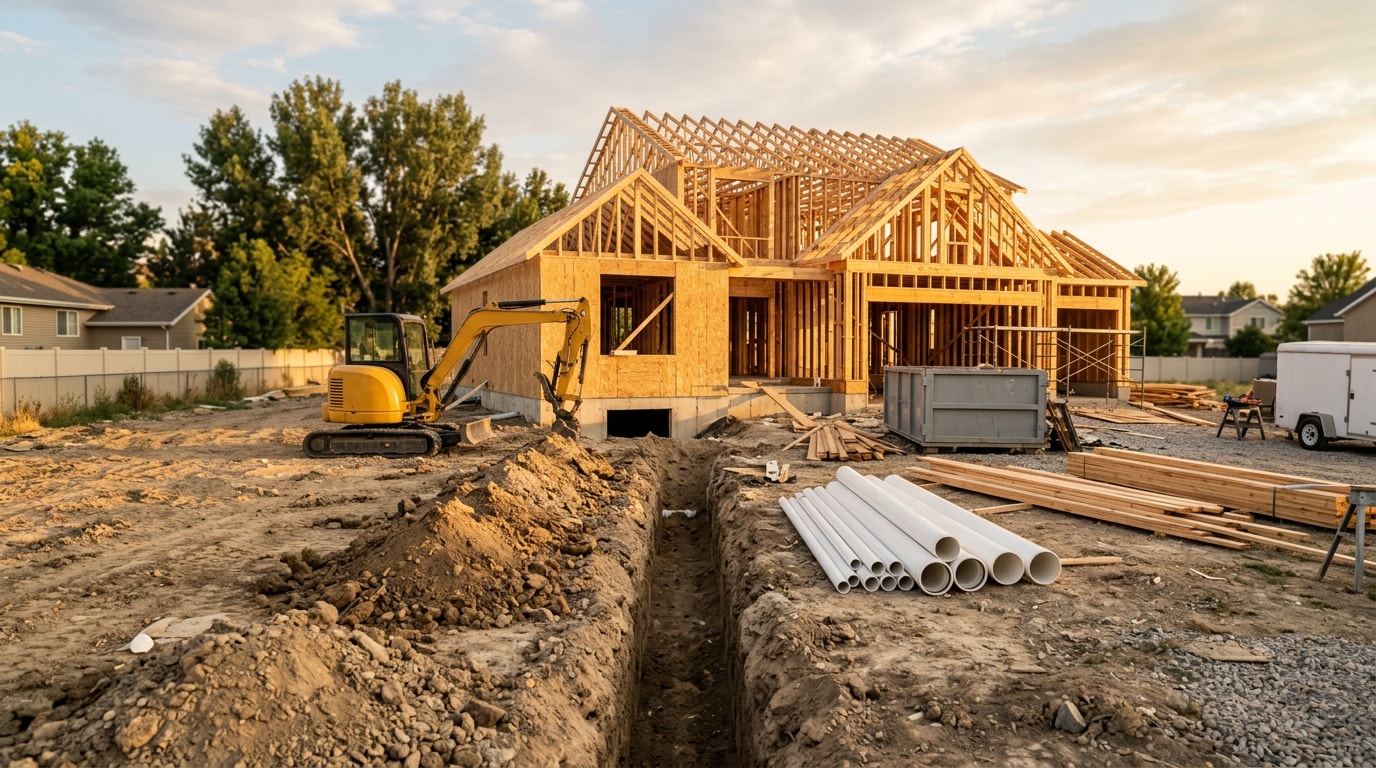
Rough-in is also the point where hidden issues tend to surface, such as a deteriorating sewer line or an aging water service line, especially in older Northeast Ohio homes. When that happens, excavation and site work may need to be scheduled alongside the interior rough-in to avoid reopening finished walls later.
Systems Upgrades Every Whole House Remodel Should Include
Once walls and floors are already open, replacing aging systems costs far less than doing it later as a standalone project. A whole house remodel is the practical window to address electrical capacity, HVAC upgrade needs, and insulation gaps that a cosmetic refresh would never touch.
Plumbing deserves particular attention in older homes. If your house still has clay or cast-iron lines, a remodel is a smart time to have the sewer line and water line evaluated, since repeated backups or low water pressure often trace back to pipe material nearing the end of its life. In our experience inspecting pre-1960s homes across the Wooster area, those original clay and cast-iron runs are the single most common reason a remodel timeline slips once a wall or yard is finally open.
When plumbing replacement is needed, homeowners typically choose between two approaches. Traditional excavation digs a trench to physically remove and replace the old pipe, which is sometimes unavoidable for severely collapsed or misaligned lines. Trenchless methods, such as epoxy pipe lining, rehabilitate the existing line from the inside with minimal digging, which can mean a smaller footprint across a freshly landscaped yard or newly finished basement. Either option should be evaluated against the pipe's condition rather than assumed, since not every line qualifies for a trenchless repair.
If a remodel uncovers a leak or flooding issue during systems work, water damage restoration services may also factor into the project. If you suspect a plumbing problem mid-remodel, it's worth getting it checked before finishes go in rather than after. Schedule a free inspection and we'll walk the exposed lines with you before the walls close back up.
For HVAC and insulation decisions, federal guidance on sealing, insulation, and equipment upgrades is worth reviewing before locking in equipment selections.
Choosing the Right Whole House Remodel Contractor
Deciding who does the work matters more than any single design choice, since a whole-house remodel is a long, high-stakes commitment involving your home, your budget, and months of your life. The steps below lay out a clear, repeatable way to vet whole house remodel contractors before signing anything.
Seek Personal Recommendations
Start with people you trust. Friends, family, and neighbors who've recently completed a remodel can give you honest referrals, and they'll tell you things a sales pitch won't.
Ask them about scope, overall satisfaction, and what they'd do differently next time. A recommendation from someone who lived through the process carries more weight than any online review.
Search for Local Contractors
When personal referrals run dry, research local remodeling contractors with a documented track record in whole-house projects specifically, not just kitchens or additions.
Verify licensing status through your state or local licensing board before you go any further. It's also worth confirming a contractor genuinely services your area rather than operating on the edge of their coverage zone, since local familiarity often means faster permitting and fewer surprises.
Ask Pointed Questions Before You Commit
Once you've narrowed your list, ask each candidate:
- Do they specialize in whole-house work, or mostly single rooms?
- How do they handle delays to the project timeline?
- What does communication look like during construction?
- How are change orders priced and approved?
Vague or evasive answers here are a warning sign. A contractor confident in their process should walk you through this without hesitation.
Check References and Reviews
Before signing anything, contact past clients directly rather than relying only on a polished reference list. Ask about budget accuracy, communication, and whether the finished project matched expectations. Cross-check that against online reviews, looking for patterns rather than isolated complaints.

Explore more about how The Trenchless Guys supports remodel projects where sewer, water line, or drainage work comes up mid-renovation, and reach out if exposed plumbing needs a second look before finishes go back in.
Frequently Asked Questions
How Long Does a Whole House Remodel Take?
Design and permitting usually take several months, followed by several more months of construction. Total timelines often land between four and twelve months, with scope level as the biggest variable. A cosmetic refresh moves far faster than a gut renovation, and permit review times affect the schedule too.
Do I Need Permits for a Whole Home Remodel?
Yes, in most cases. Structural changes, electrical work, and plumbing replacement typically require a building permit and inspection sign-off. Skipping permits can create resale problems later, since unpermitted work often has to be exposed and redone to pass inspection. Model residential building codes form the basis most local jurisdictions adopt for renovation work.
Should I Remodel the Whole House at Once or in Phases?
It depends on budget and tolerance for disruption. Remodeling everything at once is usually more efficient for labor and material costs, since trades aren't remobilizing repeatedly. Phasing spreads out the expense and lets you keep living in part of the home, but it can mean redoing some finishes later if systems get upgraded in a later phase.
What Hidden Problems Can Appear During a Whole House Remodel?
Opening walls and floors commonly reveals outdated wiring, undersized electrical panels, deteriorated plumbing, mold or water damage, and structural issues like rot or inadequate framing. Older homes carry more risk of surprises, which is one reason a contingency budget of 10 to 20 percent is standard advice for full renovations.
Should I Live in My Home During a Whole-House Remodel?
It depends on scope. Staying on-site is realistic for partial or phased projects where one area is worked on at a time. For full-gut work affecting kitchens, bathrooms, and major systems simultaneously, temporary relocation is often recommended to avoid daily disruption and safety hazards from open construction.
What Is Included in a Whole-House Remodeling Project?
Scope can include new flooring, cabinetry, and paint throughout, kitchen and bathroom overhauls, layout changes, and systems work like plumbing, electrical, and HVAC replacement. Exterior updates such as siding, roofing, or windows are sometimes bundled in as well. What's included ultimately comes down to the scope level and budget set during planning.
Is $100,000 Enough to Renovate a House?
It depends entirely on scope and square footage. A $100,000 budget can comfortably cover a cosmetic remodel or a modest mid-range update on a smaller home, but it generally falls short of a full gut remodel with new systems once square footage climbs past a modest range. Review the cost-by-scope table above before setting a number to avoid a mismatch between budget and expectations.