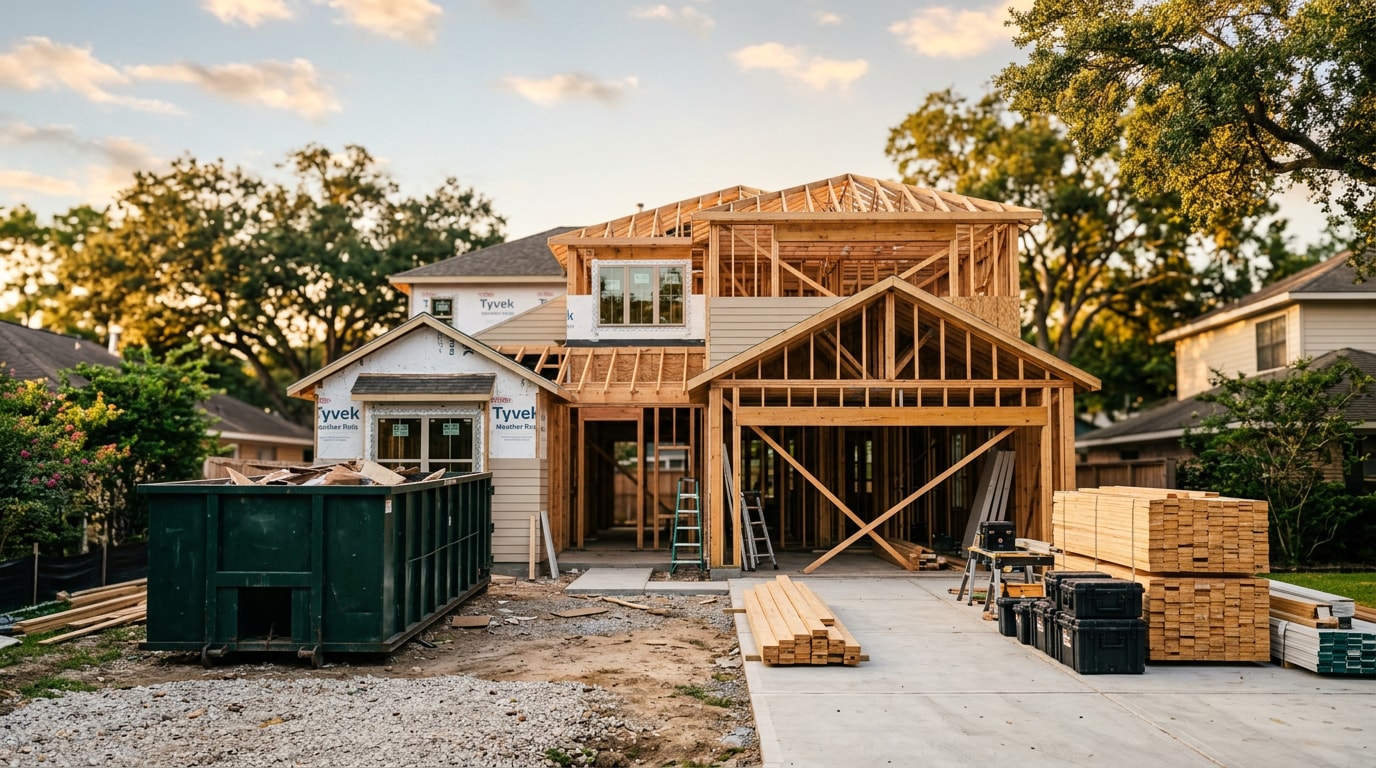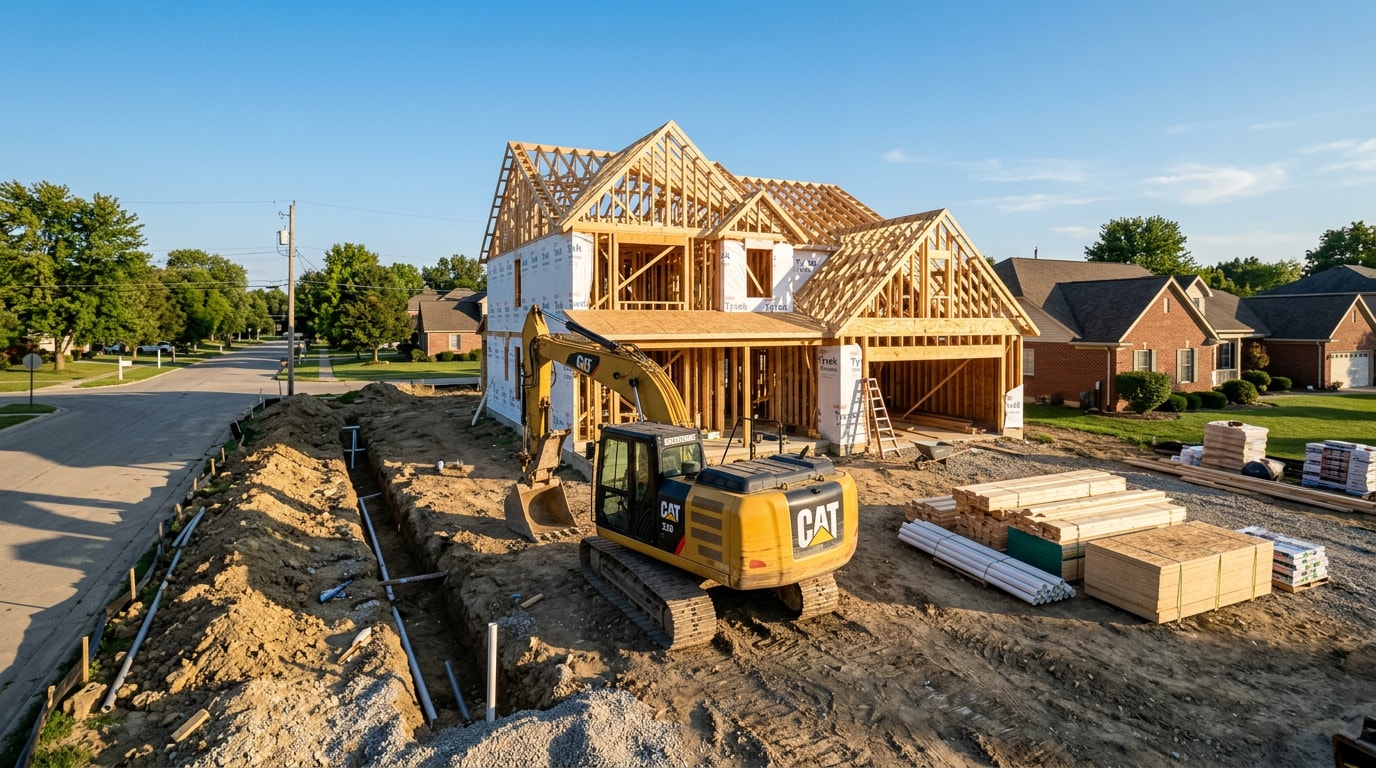
If you're typing "design build contractor near me" into a search bar, you're probably past the daydreaming stage and ready to find one team that can design and build your project without the back-and-forth between a separate architect and builder. This guide covers what design-build actually means, how it differs from a traditional general contractor, and the one part of the scope most hiring guides never mention.
What Is a Design-Build Contractor, Exactly?
A design-build contractor handles both the design and the construction of your project under a single contract, instead of you hiring an architect and a builder separately. That single point of contact manages the work from concept through completion, which cuts down on the finger-pointing that happens when two firms are involved and something doesn't match up.
This delivery method isn't a niche trend. The industry's latest performance research predicts that design-build will deliver nearly half of all non-residential design and construction in the United States by 2026. That growth shows up locally too, in everything from kitchen and bath remodels to additions, tenant improvements, and small commercial buildouts.
The appeal is coordination. A design-build team already knows its own drawings, so there's less risk of miscommunication between the people who designed the project and the people building it. You can see how that plays out on actual jobs on our homepage.
Design-Build vs. General Contractor: What Actually Changes
Before you vet anyone "near me," it helps to understand the two dominant delivery models, because the one a contractor uses affects your contract count, your risk exposure, and who you call when something goes wrong.
Design-build consolidates design and construction under one team and one contract, so a single company carries accountability from the first sketch through the final walkthrough. A traditional general contractor is typically brought in after the design is finished, working from plans created by a separate architect under a separate agreement.
| Factor | Design-Build | Traditional General Contractor |
|---|---|---|
| Contracts involved | One | Two or more (architect + builder) |
| Scope ownership | Single team, start to finish | Split across firms |
| Typical change-order exposure | Lower — design and budget tracked together | Higher — gaps surface after design is locked |
| Accountability | One point of contact | Shared, sometimes unclear |
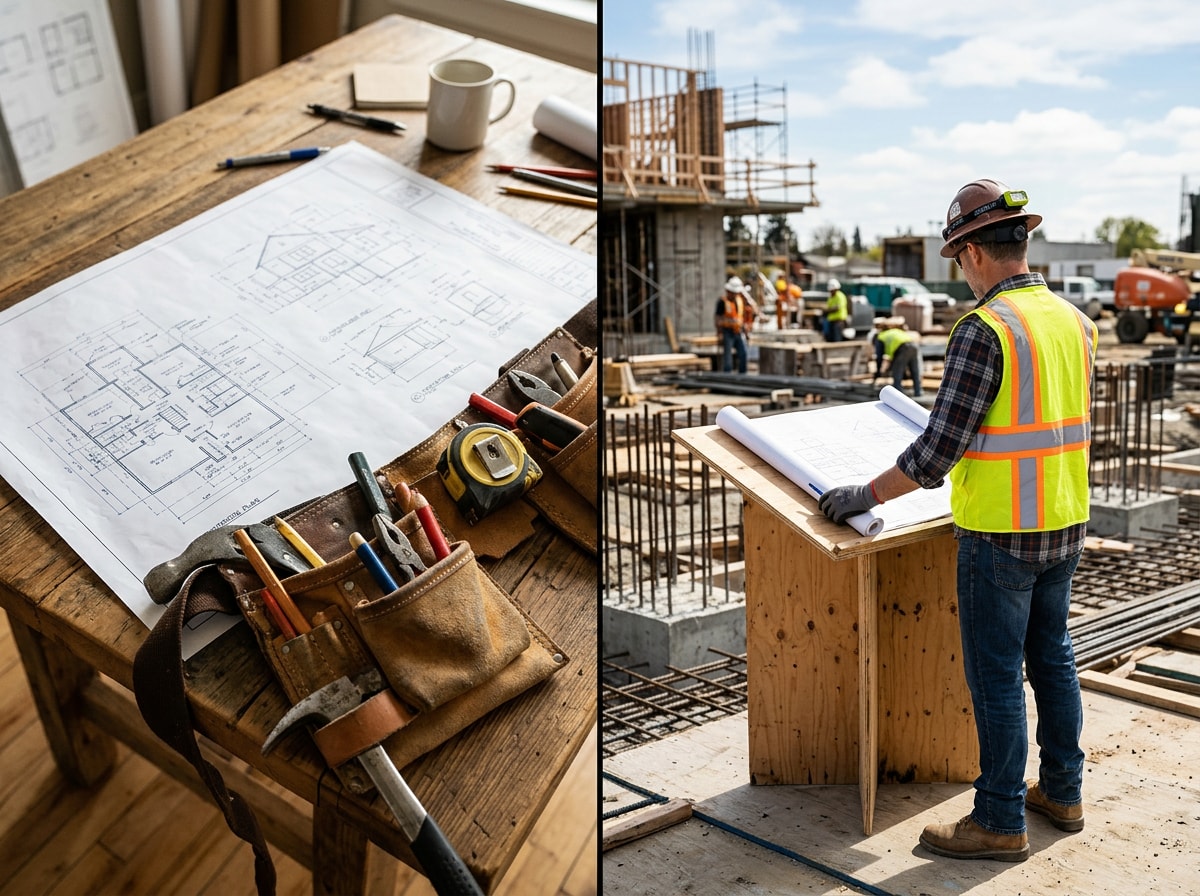
With design-build, design and construction decisions stay in constant conversation, which tends to catch conflicts, like a beam that doesn't fit the ceiling plan, before they become expensive change orders. With a general contractor working from finished plans, discrepancies between design intent and real-world construction often surface mid-build, when fixes cost more. If you want a broader framework for evaluating any builder type before you narrow your list, our guide on how to choose a builder walks through the red flags that apply regardless of delivery method.
Why "Near Me" Still Matters (and When It Doesn't)
A local design-build contractor already understands your area's building codes, permitting process, and climate conditions, which saves real time once construction starts. They've likely built relationships with local subcontractors and inspectors, and a contractor who's pulled permits in your jurisdiction before knows what inspectors look for instead of guessing at submission requirements.
But the closest pin on a map isn't automatically your best fit. A firm 20 minutes farther away with a stronger track record on your specific project type can easily outperform the closest option. Price matters here too, but not the way most people assume it does. Get written estimates from several firms, keeping in mind the lowest bidder may not be the best choice. A contractor who specializes in additions and has built dozens nearby is usually a better pick than a generalist two blocks away who's never tackled your type of project.
We work across a cluster of Northeast and East-Central Ohio communities, which is a good example of how "local" should actually be defined:
You can browse completed work from these areas on our projects page before you decide who's actually a fit.
What a Design-Build Scope Actually Covers (the Part Most Guides Skip)
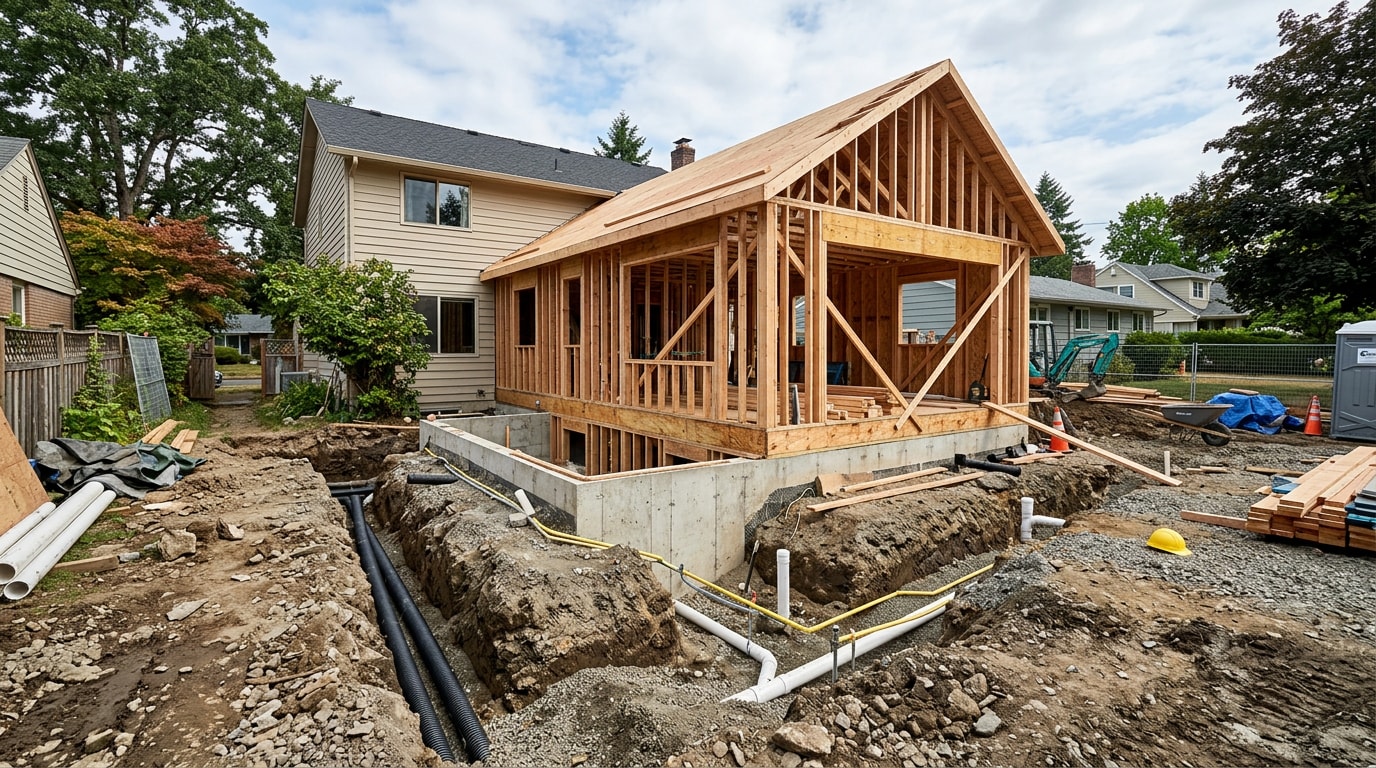
Most articles on this topic stop at "design and construction under one roof" and never mention what's underground. In our experience handling the sitework side of design-build projects, drainage and utility routing get sketched in late and then cause the most expensive surprises after move-in. A finished addition with a drainage plan that was never checked against the existing grade is one of the most common callbacks we see across our service area.
| Project Phase | Example Work | Typically Handled By |
|---|---|---|
| Site prep & excavation | Clearing, grading, foundation digging | Excavation Services, Site Preparation |
| Utility trenching | Running new water, sewer, or drain lines | Trench Digging |
| Drainage & sewer design | Routing, slope, and inspection before backfill | Drainage Service, Sewer Line Inspection |
| Water line work | New or replacement service lines | Water Service Line Installation |
| Close-out | Backfilling and restoring the site | Yard Backfilling, Site Restoration |
Ask any design-build contractor you're vetting how they handle this part of the scope specifically, not just who frames and finishes. If the answer is vague, that's worth noting before you sign.
How to Vet a Local Design-Build Contractor (Checklist)
Once you've narrowed your list to a few local candidates, run them through the same checklist every time.
- Review the portfolio, not just the rating. Do the photos and feedback reflect work similar to what you're planning?
- Confirm licensing and insurance before anything else. This isn't optional — it protects you if something goes wrong mid-project.
- Ask for three recent, similarly-scoped local projects. Marketing language doesn't tell you much; completed work in your area does.
- Check trade-association membership where it applies.
The National Association of the Remodeling Industry (NARI) is the only trade association dedicated exclusively to professional remodelers. Membership isn't a guarantee, but it's a useful second data point alongside your state's licensing board.
- Compare proposals line-by-line, not by bottom-line number. Materials specified, contingency allowances, and timeline detail matter more than who quoted the smallest total.
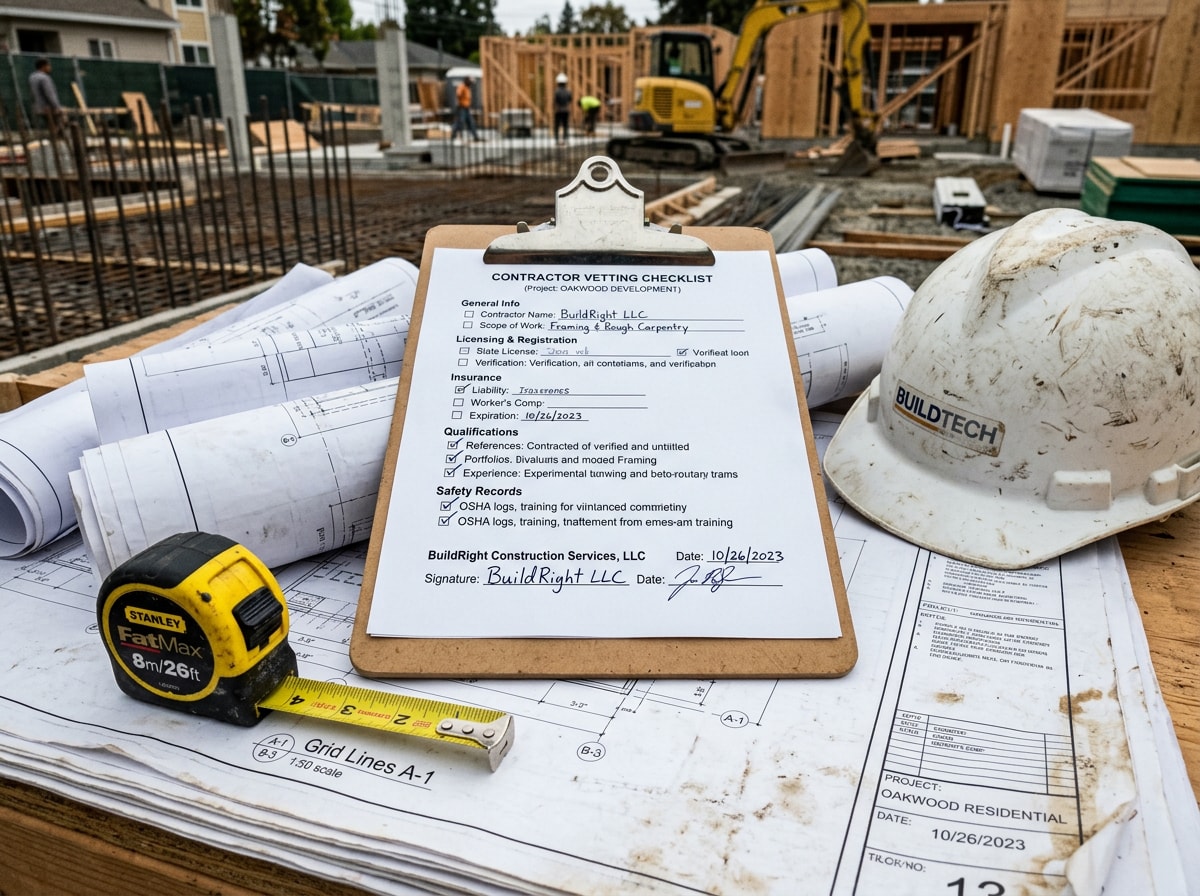
Need a refresher on how any home-project hire should go, start to finish? Our guide to finding and hiring contractors for home renovation covers the interview and contract-review process in more detail.
Questions to Ask a Design-Build Contractor Before Hiring
Bring these to your first consultation. They tend to reveal more than a sales pitch ever will.
- How many similar projects have you completed in this area?
- Who will be my main point of contact throughout the project?
- How are budget changes and change orders handled?
- What's your estimated timeline for a project like mine?
- Can you provide references from recent clients?
- Does your team have in-house design and construction specialties, or do you subcontract design work?
- Who handles sitework, drainage, and utility connections, and is that in-house or subcontracted?
Ready to ask these in person? Get a free estimate from our team and bring your questions to the first walkthrough.
FAQ
How Do I Find a Design-Build Contractor Near Me?
Start with completed projects in your actual area, not just a service-area claim on a website. Cross-check licensing with your state contractor board, read reviews that mention projects similar in size and scope to yours, and confirm the company handles sitework and utilities in-house before you assume the "design" half of the job is the only part that matters.
What Is the Difference Between a Design-Build Contractor and a General Contractor?
A design-build contractor manages both design and construction under a single contract, giving you one accountable team throughout. A general contractor typically works from plans created by a separate architect under a separate agreement, which means design and construction decisions happen in two disconnected phases.
Is Design-Build More Expensive Than Hiring a General Contractor?
Not inherently. Upfront pricing can look similar or slightly higher, but integrated budgeting often reduces costly change orders and redesign fees compared to the traditional design-bid-build process. Industry performance research predicts design-build will deliver nearly half of all non-residential design and construction in the United States by 2026 , which reflects owners choosing it for efficiency, not just convenience.
Should I Choose the Closest Contractor or the Best-Reviewed One?
Project match matters more than distance. A good ad isn't proof a contractor does quality work, and the lowest bidder may not be the best choice. A firm slightly farther away with a stronger record on your exact project type is usually the safer pick.
What Should Be Included in a Design-Build Contract?
A clear scope of work, a defined point of contact, a change-order process, a payment schedule tied to milestones, and specifics on who handles sitework and utility connections. If any of these are missing or vague, ask for them in writing before you sign.